

I still remember the sharp, metallic taste of the “free” coffee at my first startup desk. I was trying to close a deal with a local partner, and as we sat in that cramped corner, I handed him a mug of what can only be described as lukewarm battery acid. The grimace on his face was instant. It wasn’t just about the bad flavor; it was the realization that I had inadvertently signaled that our business didn’t care about the details. I learned the hard way that why your startup needs a better first impression starts with the very things your guests hold in their hands. Today, we are going to dive into why upgrading your brew isn’t just a luxury—it is a strategic move to foster collaboration and respect in any professional environment.
I Learned the Hard Way that Cheap Beans Kill the Vibe
In those early days, I figured coffee was just a utility, a caffeine delivery system to keep the lights on. I was wrong. When I finally moved our team into a space that prioritized a proper roast, the energy shifted almost overnight. We stopped fleeing to the local cafe every hour, which saved us from the nightmare of trying to host a workshop at a coffee shop just to get a decent latte. High-quality coffee acts as a social lubricant, creating a natural gravity toward the kitchen where the best ideas usually happen. Have you ever noticed how the quality of the breakroom snacks and drinks directly correlates to how long people actually want to stay in the building? [image_placeholder] High-end amenities tell your team and your clients that their comfort is a priority, not an afterthought.
Is Premium Coffee Actually Worth the Expense?
I hear the skepticism all the time: “It is just water and beans, why spend the extra budget?” But the data tells a different story. According to a study published in the Journal of Psychopharmacology, caffeine consumption has been shown to increase a person’s positive participation in group tasks and improve their overall alertness during team discussions. When that caffeine comes in a form that people actually enjoy, it doubles as a morale booster. I used to think I was saving money by buying the bulk-bin grounds, but I was actually losing money in lost productivity and “coffee runs” that took my developers away from their desks for thirty minutes at a time. By understanding the hidden value of the casual coffee machine chat, you realize that the espresso machine is essentially the new water cooler, but with much better ROI.
Good Beans Build Better Teams
The transition from a garage to a professional hub is a journey every founder remembers, and usually, that journey involves better infrastructure. When we started focusing on the sensory experience of our workspace, everything changed. It is about more than just the jitters; it is about creating an environment where a high-stakes meeting feels supported by the surroundings. If you are still serving that burnt, pre-ground stuff from a tin, you might be surprised at how much it is holding your culture back. We are going to look at the practical steps to level up your office beverage game without breaking the bank, ensuring your next meeting starts on a high note rather than a bitter one.
Stop Buying Pre-Ground Dust
The first step to fixing your office vibe isn’t buying a new desk; it is throwing away the stale, pre-ground coffee sitting in your pantry. When beans are ground, they lose their aromatic oils within minutes. If you are serving your team six-month-old dust, you are essentially asking them to power through their day on a subpar experience. I recommend sourcing locally roasted beans with a ‘roasted on’ date. It is a small detail, but it reflects how you handle your product—freshness and precision matter. This approach helps you avoid the real cost of a free coffee meeting, which is often a loss of professional credibility when the quality doesn’t match your pitch.
Pick Gear Your Team Can Actually Use
There is a dangerous temptation to buy the most expensive, industrial-grade espresso machine available to look ‘tech-forward.’ I fell into this trap myself. I once spent three thousand dollars on a machine with more levers than a cockpit. Two weeks later, it was a glorified paperweight because the steam wand was too intimidating for the junior developers. During a high-stakes board meeting, the thing actually started hissing and leaking water onto our pitch decks. It was a perfect example of the problem with tech-heavy meeting rooms that nobody knows how to use. The lesson? Choose high-quality, ‘super-automatic’ machines or simple pour-over setups. The goal is to reduce friction, not add a new technical hurdle to someone’s morning. 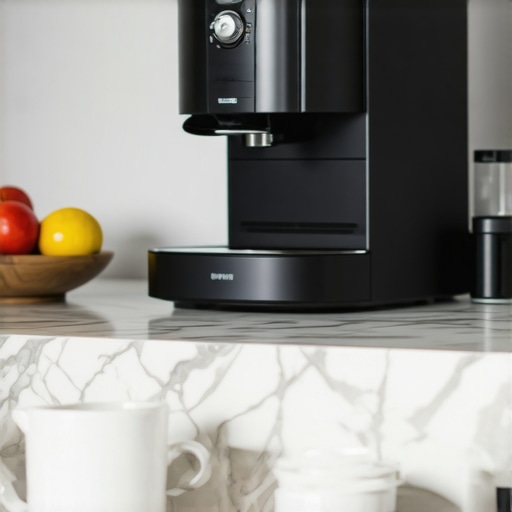
Keep the Fuel Close to the Action
Proximity is the silent killer of productivity. If your team has to hike to another floor or leave the building to find a decent cup, you’ve already lost the flow state. We found that placing a high-end station right near our brainstorming area—rather than tucked away in a dark corner—kept people engaged. It is the best way how to avoid the mid-afternoon slump in a windowless office. When the smell of fresh coffee is in the air, it acts as a sensory cue that the workspace is alive and active. It transforms a sterile room into a hub of innovation.
Why Your Pitch Needs Better Fuel
When you bring an investor into your space, they are auditing everything from your cap table to the way you treat your guests. Handing someone a paper cup of bitter liquid suggests you cut corners. Conversely, a perfectly brewed cup served in a ceramic mug suggests a company that values excellence in every vertical. This is exactly why investors prefer meeting in professional settings rather than noisy public cafes. It allows you to control the narrative. By providing innovative meeting rooms that boost startup creativity, complete with high-end beverage options, you create a neutral ground where the focus stays on your ideas, not the subpar environment.
I see it every week: a founder signs a lease because the lobby has a neon sign and a ping-pong table. It looks great on Instagram, but two months later, the engineering team is miserable because they can’t hear themselves think. Most people assume that ‘startup culture’ is synonymous with ‘playful distraction,’ but in my experience, the highest-performing teams value silence and infrastructure over beer taps. Everyone says you need a ‘fun’ office to attract Gen Z talent, but does your office actually need a pool table or is it just taking up square footage that could have been a quiet zone? High-level productivity isn’t about being ‘cool’; it is about removing every possible friction point between a developer and their code.
Stop Falling for the Ping-Pong Table Trap
The biggest ‘oops’ I see in early-stage growth is choosing a space based on aesthetics rather than acoustics. I once consulted for a fintech firm that moved into a beautiful open-plan warehouse. It was stunning. But within a month, their sales calls were failing because the echo was so bad that clients thought they were calling from a bathroom. They ignored the acoustic secrets of high-end conference rooms, thinking they could just ‘fix it with rugs.’ They couldn’t. If you are looking at a space, clap your hands in the center of the room. If you hear a sharp ring, your team will be exhausted by 2 PM just from the sensory overload. This is the real impact of office design on your team’s mental health that nobody mentions in the brochure.
Does Your Current Meeting Room Layout Kill Creative Participation?
We often think that as long as there are enough chairs, the meeting will be productive. However, a study by the MIT Media Lab on ‘collision frequency’ suggests that the physical geometry of your workspace dictates the flow of information more than your Slack channels do. If you are using a long, rectangular boardroom table, you are inadvertently creating a hierarchy where the person at the head dominates the conversation. I always suggest startups look into the hidden psychology of circular meeting tables. It levels the playing field and forces eye contact, which is essential for honest feedback. When you are in the ‘war room’ phase, you cannot afford to have junior voices drowned out by the physical layout of the furniture. 
The High Cost of the “Cheap” Long-Term Lease
Another common myth is that you save money by locking in a five-year lease early on. This is a massive trap. Your startup will likely look completely different in eighteen months. I’ve seen founders pay for fifty desks they won’t fill for three years, or worse, get stuck in a space they outgrew in six months. This is why you shouldn’t sign a lease for your first 10 employees and should instead opt for the flexibility of premium coworking. You aren’t just paying for a desk; you are paying for the ability to scale up or down without a legal battle. It allows you to focus on choosing the perfect conference room for the team you have today, not the team you hope to have in 2029. Have you ever fallen into this trap of over-committing to space too early? Let me know in the comments. By prioritizing why privacy is the new luxury in coworking, you ensure your team has the ‘deep work’ sanctuary they actually need to build something great.
Once you move past the initial hurdle of finding a desk that doesn’t wobble, you hit the real challenge: keeping the engine running as your team grows. I’ve seen brilliant startups implode not because their product failed, but because their infrastructure couldn’t handle the heat of a fifteen-person sprint. Scaling isn’t just about adding more chairs; it is about reinforcing the digital and physical systems that prevent your daily operations from becoming a series of fires you have to put out. Whether you are in a private suite or a shared hub, you need a plan for how to manage office politics when you share a floor with other startups while maintaining your own internal velocity.
The Tech Stack that Actually Survives a Growth Spurt
I stopped relying on consumer-grade routers the day a firmware update bricked our connection ten minutes before a Series A pitch. If you are serious about your space, you need to understand why endpoint protection services matter more when your team is hybrid and your data is moving through shared access points. I personally recommend a mesh network with dedicated backhaul—something like the Ubiquiti UniFi ecosystem. It allows you to monitor traffic and ensure your lead developer isn’t lagging because someone in the next office is streaming 4K video. According to the Cisco Meraki High-Density Wi-Fi Deployment Guide, managing ‘channel contention’ is the most overlooked factor in workspace productivity. If your Wi-Fi is failing, your culture is failing. This is why we always use the checklist for a glitch-free hybrid board meeting to audit our hardware every single Monday morning.
How do I keep my workspace running smoothly as we scale?
Maintenance is a mindset, not a chore. I recommend a ‘monthly friction audit’ where you ask your team what one physical thing slowed them down this week. Usually, it is a flickering light, a jammed printer, or a conference room with a broken HDMI dongle. Small annoyances accumulate into ‘workspace debt.’ By keeping a go-bag of adapters and cables, you can how to handle a server crash from a temporary desk without losing a full day of work. We also implemented a strict ‘clean desk’ policy for common areas to ensure we never lose the professional edge that defined our first impression. [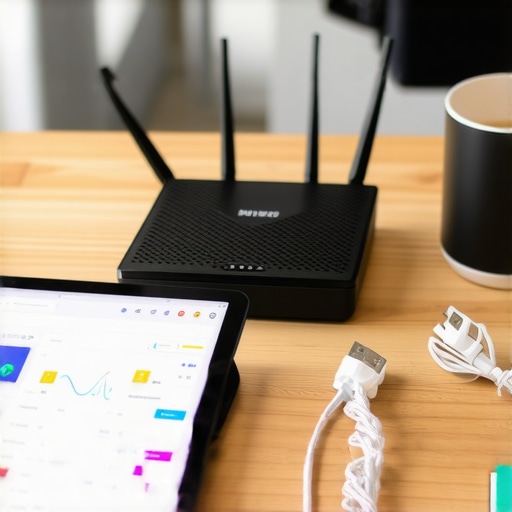 ] Consistency in these small rituals is what separates a professional operation from a chaotic hobby.
The Future of Dynamic Startup Environments
The trend is clearly moving away from static, ‘owned’ assets and toward AI-managed, on-demand environments. I predict that by 2027, your workspace will automatically adjust its lighting and acoustics based on the type of meeting scheduled in your calendar. We are already seeing this with innovative meeting rooms that boost startup creativity through modular furniture and smart glass. Don’t get stuck in the past with a rigid floor plan. Instead, learn how to vet a conference room for client-facing speed today so you can adapt to the high-bandwidth requirements of tomorrow’s VR-integrated meetings. My best advice? Conduct a ‘tech audit’ this Friday. Walk into your main meeting room, try to launch a video call in under sixty seconds, and if you can’t, it is time to upgrade your interface. Your future self will thank you for removing the friction now.
I still remember the sharp, metallic taste of the “free” coffee at my first startup desk. I was trying to close a deal with a local partner, and as we sat in that cramped corner, I handed him a mug of what can only be described as lukewarm battery acid. The grimace on his face was instant. It wasn’t just about the bad flavor; it was the realization that I had inadvertently signaled that our business didn’t care about the details. I learned the hard way that why your startup needs a better first impression starts with the very things your guests hold in their hands. Today, we are going to dive into why upgrading your brew isn’t just a luxury—it is a strategic move to foster collaboration and respect in any professional environment.
I Learned the Hard Way that Cheap Beans Kill the Vibe
In those early days, I figured coffee was just a utility, a caffeine delivery system to keep the lights on. I was wrong. When I finally moved our team into a space that prioritized a proper roast, the energy shifted almost overnight. We stopped fleeing to the local cafe every hour, which saved us from the nightmare of trying to host a workshop at a coffee shop just to get a decent latte. High-quality coffee acts as a social lubricant, creating a natural gravity toward the kitchen where the best ideas usually happen. Have you ever noticed how the quality of the breakroom snacks and drinks directly correlates to how long people actually want to stay in the building? [image_placeholder] High-end amenities tell your team and your clients that their comfort is a priority, not an afterthought.
Is Premium Coffee Actually Worth the Expense?
I hear the skepticism all the time: “It is just water and beans, why spend the extra budget?” But the data tells a different story. According to a study published in the Journal of Psychopharmacology, caffeine consumption has been shown to increase a person’s positive participation in group tasks and improve their overall alertness during team discussions. When that caffeine comes in a form that people actually enjoy, it doubles as a morale booster. I used to think I was saving money by buying the bulk-bin grounds, but I was actually losing money in lost productivity and “coffee runs” that took my developers away from their desks for thirty minutes at a time. By understanding the hidden value of the casual coffee machine chat, you realize that the espresso machine is essentially the new water cooler, but with much better ROI.
Good Beans Build Better Teams
The transition from a garage to a professional hub is a journey every founder remembers, and usually, that journey involves better infrastructure. When we started focusing on the sensory experience of our workspace, everything changed. It is about more than just the jitters; it is about creating an environment where a high-stakes meeting feels supported by the surroundings. If you are still serving that burnt, pre-ground stuff from a tin, you might be surprised at how much it is holding your culture back. We are going to look at the practical steps to level up your office beverage game without breaking the bank, ensuring your next meeting starts on a high note rather than a bitter one.
Stop Buying Pre-Ground Dust
The first step to fixing your office vibe isn’t buying a new desk; it is throwing away the stale, pre-ground coffee sitting in your pantry. When beans are ground, they lose their aromatic oils within minutes. If you are serving your team six-month-old dust, you are essentially asking them to power through their day on a subpar experience. I recommend sourcing locally roasted beans with a ‘roasted on’ date. It is a small detail, but it reflects how you handle your product—freshness and precision matter. This approach helps you avoid the real cost of a free coffee meeting, which is often a loss of professional credibility when the quality doesn’t match your pitch.
Pick Gear Your Team Can Actually Use
There is a dangerous temptation to buy the most expensive, industrial-grade espresso machine available to look ‘tech-forward.’ I fell into this trap myself. I once spent three thousand dollars on a machine with more levers than a cockpit. Two weeks later, it was a glorified paperweight because the steam wand was too intimidating for the junior developers. During a high-stakes board meeting, the thing actually started hissing and leaking water onto our pitch decks. It was a perfect example of the problem with tech-heavy meeting rooms that nobody knows how to use. The lesson? Choose high-quality, ‘super-automatic’ machines or simple pour-over setups. The goal is to reduce friction, not add a new technical hurdle to someone’s morning.
Keep the Fuel Close to the Action
Proximity is the silent killer of productivity. If your team has to hike to another floor or leave the building to find a decent cup, you’ve already lost the flow state. We found that placing a high-end station right near our brainstorming area—rather than tucked away in a dark corner—kept people engaged. It is the best way how to avoid the mid-afternoon slump in a windowless office. When the smell of fresh coffee is in the air, it acts as a sensory cue that the workspace is alive and active. It transforms a sterile room into a hub of innovation.
Why Your Pitch Needs Better Fuel
When you bring an investor into your space, they are auditing everything from your cap table to the way you treat your guests. Handing someone a paper cup of bitter liquid suggests you cut corners. Conversely, a perfectly brewed cup served in a ceramic mug suggests a company that values excellence in every vertical. This is exactly why investors prefer meeting in professional settings rather than noisy public cafes. It allows you to control the narrative. By providing innovative meeting rooms that boost startup creativity, complete with high-end beverage options, you create a neutral ground where the focus stays on your ideas, not the subpar environment.
I see it every week: a founder signs a lease because the lobby has a neon sign and a ping-pong table. It looks great on Instagram, but two months later, the engineering team is miserable because they can’t hear themselves think. Most people assume that ‘startup culture’ is synonymous with ‘playful distraction,’ but in my experience, the highest-performing teams value silence and infrastructure over beer taps. Everyone says you need a ‘fun’ office to attract Gen Z talent, but does your office actually need a pool table or is it just taking up square footage that could have been a quiet zone? High-level productivity isn’t about being ‘cool’; it is about removing every possible friction point between a developer and their code.
Stop Falling for the Ping-Pong Table Trap
The biggest ‘oops’ I see in early-stage growth is choosing a space based on aesthetics rather than acoustics. I once consulted for a fintech firm that moved into a beautiful open-plan warehouse. It was stunning. But within a month, their sales calls were failing because the echo was so bad that clients thought they were calling from a bathroom. They ignored the acoustic secrets of high-end conference rooms, thinking they could just ‘fix it with rugs.’ They couldn’t. If you are looking at a space, clap your hands in the center of the room. If you hear a sharp ring, your team will be exhausted by 2 PM just from the sensory overload. This is the real impact of office design on your team’s mental health that nobody mentions in the brochure.
Does Your Current Meeting Room Layout Kill Creative Participation?
We often think that as long as there are enough chairs, the meeting will be productive. However, a study by the MIT Media Lab on ‘collision frequency’ suggests that the physical geometry of your workspace dictates the flow of information more than your Slack channels do. If you are using a long, rectangular boardroom table, you are inadvertently creating a hierarchy where the person at the head dominates the conversation. I always suggest startups look into the hidden psychology of circular meeting tables. It levels the playing field and forces eye contact, which is essential for honest feedback. When you are in the ‘war room’ phase, you cannot afford to have junior voices drowned out by the physical layout of the furniture.
The High Cost of the “Cheap” Long-Term Lease
Another common myth is that you save money by locking in a five-year lease early on. This is a massive trap. Your startup will likely look completely different in eighteen months. I’ve seen founders pay for fifty desks they won’t fill for three years, or worse, get stuck in a space they outgrew in six months. This is why you shouldn’t sign a lease for your first 10 employees and should instead opt for the flexibility of premium coworking. You aren’t just paying for a desk; you are paying for the ability to scale up or down without a legal battle. It allows you to focus on choosing the perfect conference room for the team you have today, not the team you hope to have in 2029. Have you ever fallen into this trap of over-committing to space too early? Let me know in the comments. By prioritizing why privacy is the new luxury in coworking, you ensure your team has the ‘deep work’ sanctuary they actually need to build something great.
Once you move past the initial hurdle of finding a desk that doesn’t wobble, you hit the real challenge: keeping the engine running as your team grows. I’ve seen brilliant startups implode not because their product failed, but because their infrastructure couldn’t handle the heat of a fifteen-person sprint. Scaling isn’t just about adding more chairs; it is about reinforcing the digital and physical systems that prevent your daily operations from becoming a series of fires you have to put out. Whether you are in a private suite or a shared hub, you need a plan for how to manage office politics when you share a floor with other startups while maintaining your own internal velocity.
The Tech Stack that Actually Survives a Growth Spurt
I stopped relying on consumer-grade routers the day a firmware update bricked our connection ten minutes before a Series A pitch. If you are serious about your space, you need to understand why endpoint protection services matter more when your team is hybrid and your data is moving through shared access points. I personally recommend a mesh network with dedicated backhaul—something like the Ubiquiti UniFi ecosystem. It allows you to monitor traffic and ensure your lead developer isn’t lagging because someone in the next office is streaming 4K video. According to the Cisco Meraki High-Density Wi-Fi Deployment Guide, managing ‘channel contention’ is the most overlooked factor in workspace productivity. If your Wi-Fi is failing, your culture is failing. This is why we always use the checklist for a glitch-free hybrid board meeting to audit our hardware every single Monday morning.
How do I keep my workspace running smoothly as we scale?
Maintenance is a mindset, not a chore. I recommend a ‘monthly friction audit’ where you ask your team what one physical thing slowed them down this week. Usually, it is a flickering light, a jammed printer, or a conference room with a broken HDMI dongle. Small annoyances accumulate into ‘workspace debt.’ By keeping a go-bag of adapters and cables, you can how to handle a server crash from a temporary desk without losing a full day of work. We also implemented a strict ‘clean desk’ policy for common areas to ensure we never lose the professional edge that defined our first impression. [] Consistency in these small rituals is what separates a professional operation from a chaotic hobby.
The Future of Dynamic Startup Environments
The trend is clearly moving away from static, ‘owned’ assets and toward AI-managed, on-demand environments. I predict that by 2027, your workspace will automatically adjust its lighting and acoustics based on the type of meeting scheduled in your calendar. We are already seeing this with innovative meeting rooms that boost startup creativity through modular furniture and smart glass. Don’t get stuck in the past with a rigid floor plan. Instead, learn how to vet a conference room for client-facing speed today so you can adapt to the high-bandwidth requirements of tomorrow’s VR-integrated meetings. My best advice? Conduct a ‘tech audit’ this Friday. Walk into your main meeting room, try to launch a video call in under sixty seconds, and if you can’t, it is time to upgrade your interface. Your future self will thank you for removing the friction now.
The Subtle Cues That Actually Close Seven-Figure Deals
The biggest shock for me was realizing that your office atmosphere acts as a silent filter for the type of talent you attract. If your space feels like a temporary transit lounge, you will likely hire people who treat your mission like a temporary layover. I eventually learned why your startup needs a real door not just a glass wall; it isn’t just about acoustics, it is about the psychological safety of knowing your strategy sessions are truly private. Another lightbulb moment was noticing that the best negotiations didn’t happen over a desk, but in a neutral zone. That is why your investor pitch needs a neutral meeting room—it removes the home-court advantage and fosters a collaborative atmosphere rather than an adversarial one.
My Non-Negotiable Gear for a High-Velocity Workspace
If you want to stop the bleeding of lost time, I highly recommend adopting a proactive facilities mindset. Pair your tech stack with a subscription to a local ‘roaster’s choice’ bean delivery to keep the energy fresh and high-quality. For the physical layout, prioritize the hidden psychology of circular meeting tables to ensure every voice in your sprint is heard equally. Finally, ensure your team knows how to maximize productivity in your startups conference rooms by keeping a central hub for all necessary adapters and charging cables. These small tools remove the invisible obstacles that lead to employee burnout.
Build a Space That Deserves Your Best Work
You do not need a massive budget to create a culture of excellence; you just need to stop ignoring the details that matter to your team. Every time you fix a flickering light or upgrade to a decent roast, you are telling your developers and sales reps that their focus is worth the investment. It is all about the true ROI of a premium coworking membership—the peace of mind that comes from knowing the infrastructure is handled so you can focus entirely on your vision. Go build something great, and make sure your environment is pushing you forward, not holding you back. What is the one thing in your current workspace that drives you absolutely crazy? Let’s swap horror stories in the comments below.