

I sat there in a silence so heavy it felt like it had weight, tucked away in a corner of a beautiful shared office. Outside the glass walls, the city was humming, but inside, my startup felt like it was shouting into a void. I had a solid product and a clean website, yet my local presence was nonexistent. I realized that while I was winning at the digital game, I was failing at the human one. My lightbulb moment happened when I stopped trying to invite everyone to a generic happy hour and instead invited six people to a hyper-specific workshop on technical SEO for local bakeries. This post is about how you can stop being a digital ghost and start making real connections. I am going to show you how to leverage innovative meeting rooms to create a community that actually pays attention to what you are building. It is not about the size of the crowd; it is about the relevance of the people in the room.
Get Real with Your Neighbors Instead of Buying More Ads
Early on, I made a classic mistake. I booked a massive hall, bought fifty cupcakes, and waited. Only three people showed up. One was my mom, and the other two were insurance agents looking to pitch me. It was a disaster and frankly, a bit embarrassing. I realized then that your brand needs a physical touchpoint that feels intentional, not desperate. Niche meetups allow you to be the big fish in a very specific, very loyal pond. When you host an event, you are not just a face on a LinkedIn profile; you are the curator of knowledge and the person who brings people together. According to research from the Harvard Business Review, face-to-face requests are 34 times more effective than emails. By physically being in the room, you are bypassing the noise of the inbox and the fatigue of the scroll. I have found that when you use local events to find your next co-founder or partner, the quality of the connection is exponentially higher. You are building trust in real-time, which is something an algorithm can never simulate. Have you ever felt like you are doing everything right online but still feel invisible in your own zip code?
Do Small Groups Really Move the Needle for a Business?
You might be thinking that hosting five or six people in a community event that local professionals actually attend is not worth the rental fee or the effort. I used to think the same. I thought success was measured by a packed auditorium. But those few people who show up to a niche event are your future evangelists. They are the ones who will mention your name when a local lead needs exactly what you do because they have shared a coffee and a conversation with you. It is about depth, not just reach. By focusing on a niche, you eliminate the ‘cringe’ factor of networking and replace it with genuine utility. We are moving toward a phase where the most successful brands are the ones that own their local dirt, and niche meetups are the shovel that helps you dig in.
Stop Playing Musical Chairs in Noisy Coffee Shops
I learned this the hard way during a pitch for a local logistics contract. I tried to save fifty bucks by meeting at a trendy cafe. Halfway through my explanation of supply chain optimization, a blender started screaming three feet away, and my client had to lean in just to hear me breathe. It was amateur hour. That experience is exactly why we stopped using coffee shops for sensitive client calls and started taking the environment seriously. If you want people to respect your expertise, you have to put that expertise in a professional frame. Think of your venue as the packaging for your brand’s product; a diamond wrapped in a napkin still looks like a rock to the untrained eye. When you move into innovative meeting rooms, you are signaling that your time, and their time, has a specific market value. 
Vet the Infrastructure Before the Guests Arrive
You cannot build a community on shaky Wi-Fi. I once hosted a ‘seamless’ digital marketing workshop where the connection dropped every time I tried to show a live dashboard. It was painful. Now, I make it a non-negotiable rule to learn how to vet a space for high-speed fiber before you sign the contract. It is not just about the internet, though. You need to know how to vet a meeting room for acoustic privacy before booking. There is nothing that kills a high-stakes brainstorm faster than hearing a sales team next door celebrate a win with a literal cowbell. Before you invite your niche group, walk the room. Check if the seating facilitates eye contact or if it feels like a high school classroom. You want a setup where the furniture invites collaboration, not just passive listening.
Small Details That Make You Look Like a Pro
If you are presenting, please, for the love of your burn rate, stop squinting at a 13-inch laptop. I’ve found that why your pitch deck looks better on a forty-inch screen than a laptop isn’t just about size; it’s about the shared experience of the visual. When everyone is looking at the same large screen, you control the narrative. It’s like being the director of a small film rather than someone showing off vacation photos on a phone. Also, consider the logistics of the ‘after-chat.’ The goal is to how to turn a 1-hour room rental into a long-term partnership. This happens in the ten minutes after the ‘official’ event ends. If you’re in a sterile, windowless box, people will bolt for the door. If you’re in a space that feels like a hub of innovation, they’ll linger. That lingering is where the real business happens—the side conversations, the ‘hey, I know someone you should talk to,’ and the genuine trust-building that doesn’t happen while a slide deck is on the screen. Use the room to facilitate the human stuff, and the business stuff will follow naturally.
A common mistake I see founders making is equating ‘cool’ with ‘functional.’ We have been conditioned to think that a slide in the lobby or a kombucha tap means a space is ‘innovative.’ But let’s be real: you cannot pay your AWS bill with artisanal nitro cold brew. In my experience, the shiny objects often mask a lack of fundamental utility. I have seen teams prioritize a rooftop deck over understanding the hidden drag of slow office wi-fi on your burn rate. If the infrastructure is not there, the perks are just expensive distractions. Most people think more amenities mean better value, but I would argue the opposite. The best spaces are the ones that disappear when you start working, not the ones that keep tapping you on the shoulder to remind you they are ‘fun.’
Stop Paying for the Lifestyle You Do Not Use
One major ‘oops’ factor is what I call Amenity Bloat. You end up subsidizing a lifestyle your team never actually touches. It is vital to learn how to save money on office amenities your team doesn’t use. I once signed a membership because they had a ‘creative lab’ that turned out to be a shelf of LEGOs and a dusty 3D printer. The trap is realizing six months later that you are paying for 5,000 square feet of lifestyle and only 50 square feet of productive surface area. This realization is why we stopped paying for square footage we never used and started focusing on specialized zones. When you are lean, you need a sniper approach to real estate, not a shotgun approach. 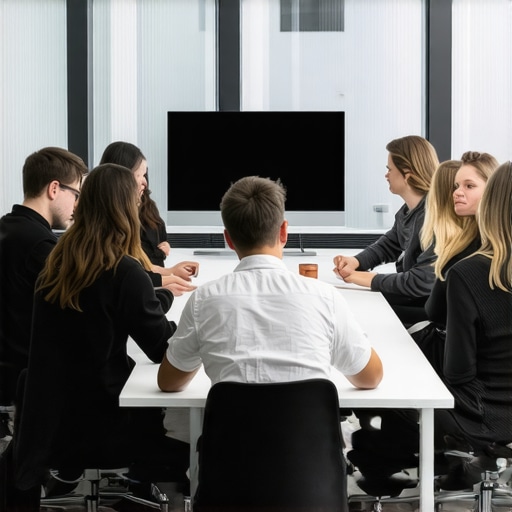
Does the Physical Layout Actually Change Your Pitch Conversion Rate?
It sounds like a stretch, but the data suggests otherwise. According to research published in the Journal of Environmental Psychology, the physical environment significantly influences ‘authority cues’ and social cognitive processing. This is exactly the difference between a standard meeting room and a real war room. A standard room is for routine updates; a war room is for high-stakes pivots. When you maximize productivity in your startups conference rooms, you are not just rearranging chairs; you are architecting a psychological environment where investors feel the momentum. If the room feels flimsy, your business model feels flimsy. Have you ever fallen into the trap of picking a space for its ‘vibe’ rather than its utility? Let me know in the comments.
Once you move past the initial hurdle of finding a desk, you have to look at the gear that actually keeps the wheels turning during a growth spurt. I learned the hard way that a designer table means nothing if your audio sounds like a submarine in a storm. Personally, I never walk into a high-stakes session without my own Jabra Speak series puck. It is a portable device that turns any innovative meeting rooms into a professional broadcast studio. Why? Because the built-in microphones in most laptops are notoriously bad at filtering out the ambient hum of a busy floor. If you are serious about your presence, you need to understand why your conference room needs better technology and fewer cables. It is not just about aesthetics; it is about reducing the cognitive load on your clients. When they have to strain to hear you, they are not thinking about your ROI; they are thinking about how much their ears hurt.
How can I maintain this professional standard as the team expands?
The biggest challenge is not the first office; it is the third one. As you scale, you will encounter friction you did not expect, like how to manage noise complaints in a shared workspace when your sales team finally hits their stride. I recommend setting up a standardized ‘Tech Kit’ for every new hub you open. This ensures consistency whether you are in London or Austin. According to the ISO 23351-1 standard, which measures the level of speech level reduction in furniture and pods, a reduction of 30dB is the gold standard for ensuring your ‘war room’ conversations stay private. If your space does not hit that, you are essentially broadcasting your secrets to the person at the next desk. This is a critical step in how to transition your team from a garage to a real office successfully. 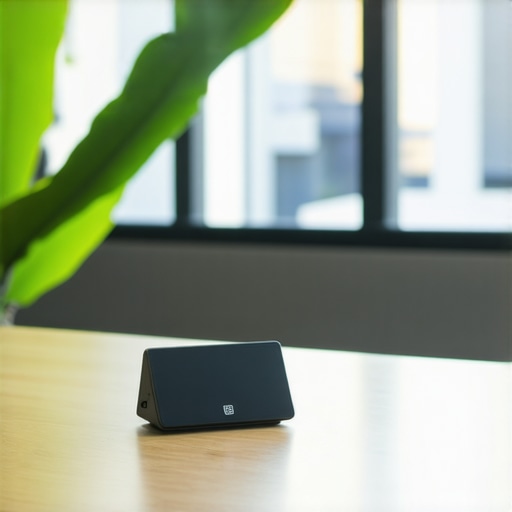
The Office of 2030 Is Not a Single Building
I am putting my money on the ‘Hub and Spoke’ model. We are moving away from the massive corporate campus and toward a reality where why satellite offices are the new headquarters for tech teams makes more sense for talent retention. Your team does not want a two-hour commute; they want a professional anchor point ten minutes from their house. In the next few years, expect to see coworking spaces pivot from generic desks to specialized labs that cater to specific industries. Stop looking for a lease that lasts five years. Start looking for a network that grows with your headcount. My best advice? Go audit your current Wi-Fi speeds right now using a tool like Speedtest.net, and if you are not hitting at least 100Mbps upload, it is time to move. It is the smallest technical detail that will sink your next big product demo.
The Hard Truths About Finding Your Startup’s First Real Home
After years of bouncing between kitchen tables and loud cafes, I realized that the environment doesn’t just house the work; it defines the work. One lightbulb moment was realizing that cheap space is often the most expensive in terms of lost productivity and missed deals. I also learned that you should never choose a location based on a free beer tap; choose it because the walls actually block sound. Another lesson? Don’t be afraid to find a coworking space that matches your company values rather than just the lowest price point. It is better to have a single desk in a room full of winners than a whole office in a ghost town. #IMAGE_PLACEHOLDER_E#
The Survival Kit for Modern Founders
If you are ready to take this seriously, I recommend starting with a few non-negotiables. First, download a Wi-Fi analyzer app to ensure you aren’t fighting for bandwidth. Second, prioritize the layout—I have found that you should always vet a potential office space for natural light because your team’s mood depends on it more than you think. Finally, prioritize flexibility. I always tell new founders why membership flexibility is more important than square footage during those unpredictable early months. These aren’t just perks; they are the tools that prevent your burn rate from turning into a bonfire.
Stop Hiding Your Ambition in the Spare Bedroom
There is a specific kind of magic that happens when you step out of your personal bubble and into a space designed for growth. Moving from a garage to a professional environment signals to yourself, your team, and your clients that you are playing for keeps. When you master the logistics of moving your startup to a professional space, you aren’t just buying a desk; you are buying credibility. You deserve to be in a room where the infrastructure matches your vision. The world is waiting to see what you build, but they have to be able to hear you first. Leverage these innovative meeting rooms to make your voice the one that actually carries. What is the one thing about your current workspace that is driving you crazy right now? Let me know in the comments below.