

I stood in the middle of our “executive lounge,” a space that cost me an extra $1,200 a month, and realized I was the only person who had stepped foot in it for three weeks. My team was huddled around a single table in the kitchen, laptops clashing, while the “dedicated brainstorming zone” sat silent and pristine, smelling faintly of expensive floor wax and missed opportunities. I’d fallen into the classic founder’s trap: buying the office I thought a successful startup should have, rather than the one my team actually needed.
Quit Paying for the Ghost Town in Your Office
For a long time, I believed that more amenities equaled more talent. I once signed a lease that included a massive, echoing conference room we only used to store extra monitors. It was a painful, expensive lesson in vanity metrics. Eventually, I had to get real with the bank account and realize that the all-inclusive membership is usually a trap designed to make you feel like a big shot while draining your runway. We eventually pivoted, and we finally stopped paying for square footage we never used. Today, I’m going to show you how to audit your space and strip away the fluff so you can reinvest that cash into what actually moves the needle—like your people.
Will my team think I’m being cheap?
It’s a valid fear. You don’t want to be the boss who cuts the free snacks and sparks a mutiny. But there is a massive difference between being cheap and being lean. In my experience, most employees would trade a rarely-used ping pong table for better hardware or more membership flexibility any day. According to data from VergeSense, about 36% of office desks go unused even during peak hours, which proves most of us are paying for ghost space. Have you ever looked at your monthly bill and wondered why you’re paying for a rooftop terrace that’s closed six months of the year?
How to Spot the Amenity Suck
The first thing I did was track usage. I didn’t use a high-tech sensor; I just used my eyes. I noticed that while I was paying for premium access, my developers were constantly looking for quiet zones to reach deep flow, which our open-plan perk-heavy office didn’t provide. You need to tell if a coworking membership is worth the price by looking at the utility, not the glossy brochure. We eventually learned to stop overpaying for square footage you never use by opting for a model that scales with us. It’s about being surgical. If those innovative meeting rooms are always empty, it’s time to stop paying for them.
Execute a Brutal Amenity Audit
To stop the financial bleed, you have to treat your office space like a product. If a feature has zero engagement, you kill it. I started this process by printing a physical floor plan and marking it with a red pen every two hours for a full week. I called it my ‘ghost-hunting’ tour. I found that nearly 40% of our floor space—specifically a high-end lounge area and a massive mahogany-clad reception desk—was effectively a museum. Nobody sat there. We were failing at spatial efficiency because we were paying for an image rather than utility. I realized we needed to how to pick an office that fits your startups growth pace instead of chasing a Silicon Valley aesthetic that didn’t fit our remote-heavy culture.
Watch Where Your Team Actually Works
The data was startling. While the lounge gathered dust, three engineers were cramped into a single corner because it was the only spot with decent natural light and low foot traffic. I once tried to force a ‘creative brainstorming’ session in our expensive theater room, only to find the team preferred the kitchen island because the acoustics were better. This is exactly why the open-plan office is failing your developers when it lacks functional variety. By observing these patterns, you can identify where to double down. We eventually scrapped the lounge and invested in high-quality acoustic dividers, finally understanding why developers need quiet zones to reach deep flow to actually get shipping done. 
Swap Static Square Footage for Flexibility
Once you know what you don’t use, the next step is to stop being a landlord for empty air. I remember the day I sat down to calculate our cost-per-active-desk. It was embarrassing. We were paying for twenty desks but only six were occupied daily. I decided to transition us to a model where why membership flexibility is more important than square footage became our guiding principle. We moved away from the monolithic lease and embraced the art of the short-term lease for fast-moving startups, allowing us to expand or contract based on our hiring cycles rather than a fixed legal document.
Professionalism Doesn’t Require a Five-Year Lease
There’s a common myth that you need a permanent, branded front door to impress people. I used to think that without our logo on the glass, we weren’t a ‘real’ company. But I found that why investors prefer meeting in professional settings has nothing to do with how many years are left on your lease and everything to do with the quality of the environment. I remember hosting a series of high-stakes board calls from a high-end, on-demand conference room that we only paid for by the hour. It looked ten times better than the dingy office we used to own, and it cost us a fraction of the price. You have to learn how to pick a membership that scales with your teams size so you aren’t stuck with the bill for a ‘ghost town’ when your team decides to work from home on Fridays. It’s about being surgical with your capital. We focused on how to stop your team from hating hybrid meetings by upgrading our tech rather than our square footage. Every dollar we saved on un-sat-in chairs went straight into our product development, which is where it should have been all along.
Don’t Mistake Formal for Functional
Most founders believe that to be taken seriously, they need a conference room that looks like a scene from a legal drama. I certainly did. I thought heavy mahogany tables and leather chairs signaled stability to investors. But here is the contrarian truth: the more formal the room, the more guarded the conversation. In my experience, these ‘prestige’ spaces actually stifle the raw, messy honesty a startup needs to survive. We found that why your meeting room layout is killing participation usually boils down to the environment being too stiff. If people are afraid to spill coffee, they are likely afraid to pitch a radical, unpolished idea. We shifted our focus toward transforming meeting rooms into collaboration hubs where the furniture is moveable and the walls are literally made for writing on.
How do I know if my layout is stifling the team?
It is a question of ‘collision frequency’ and psychological safety. A study published in the Journal of Environmental Psychology suggests that physical barriers and overly formal seating arrangements can increase perceived social distance, making junior members less likely to speak up. If you are noticing that only the loudest voices—or the highest-ranking ones—are heard during your ‘brainstorms,’ your room is the problem. You need to learn how to maximize productivity in your startups conference rooms by removing the ‘head of the table’ power dynamic. We started using circular setups and realized that why your meeting room needs to be more than just a table is about creating an arena for ideas, not a hierarchy for status. 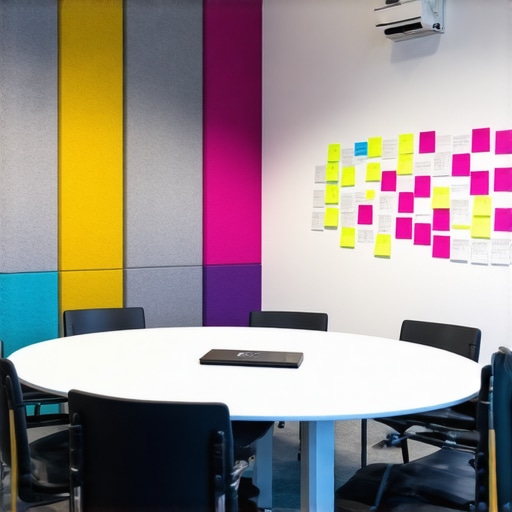
Avoid the Transparency Trap
The ‘Oops’ factor that nearly cost us a major deal was the obsession with glass. Every modern coworking space loves glass walls; they look great and let in light. But there is a massive hidden nuance here: sound leakage and visual distraction. I once sat in a high-stakes meeting where we could see the team next door celebrating a birthday while we were discussing layoffs. It was surreal and deeply unprofessional. You have to vet a high-stakes board room for more than just aesthetics. I learned the hard way that why your startup needs a real door not just a glass wall is about protecting your trade secrets and your team’s emotional health. If you are stuck with glass, look for the acoustic fix for echoey conference rooms like heavy felt curtains or specialized privacy films.
The Tech Compatibility Nightmare
The most common mistake is assuming ‘high-speed Wi-Fi’ is enough for a client-facing pitch. I’ve seen founders lose the room because they couldn’t get their laptop to talk to the $5,000 display screen. You must how to vet a conference room for client-facing speed by doing a dry run 24 hours in advance. Never assume the dongles will be there. We eventually created a ‘flight kit’—a bag of every possible adapter—because choosing the perfect conference room is useless if the hardware fails you at the finish line. Have you ever fallen into this trap of over-valuing the look of a room while ignoring the functional tech? Let me know in the comments.
Tools I actually use to keep us from bloating again
I’ve learned that the biggest threat to a lean startup isn’t just a bad quarter; it’s the slow creep of organizational bloat that happens when you stop paying attention. To fight this, I rely on a software stack that treats our office as a service rather than a fixed asset. I personally swear by Miro for mapping out our spatial usage—yes, the same tool I use for wireframes. It helps me visualize our ‘collision zones’ without needing a degree in architecture. For hardware, I never walk into a high-stakes session without my own portable setup. I’ve found that how to stop your team from hating hybrid meetings often comes down to the individual hardware you bring to the table, not just what’s mounted on the wall. I always carry a high-quality external mic because the ‘tunnel sound’ of a cheap built-in speakerphone is the fastest way to lose a client’s attention during a pitch. This is a vital part of the checklist for a glitch-free product launch event that most founders overlook until it’s too late.
How do I keep this lean machine running long-term?
Consistency is the only way to avoid backsliding into expensive, unused square footage. I conduct a ‘spatial audit’ every quarter. If we haven’t used a specific membership perk or a particular meeting room type in 90 days, we cut it. This is how we successfully navigated the move from garage to office without doubling our burn rate overnight. We also use Robin for desk and room scheduling; seeing the raw data of which rooms are actually booked—and which are ‘ghosted’—allows me to negotiate better rates. According to a report by JLL (Jones Lang LaSalle) on the ‘Future of Work,’ 72% of employees now prefer the ‘hub-and-spoke’ model over a centralized headquarters. This isn’t just a trend; it’s a structural shift in how talent consumes space, and it’s why I’m convinced that why small satellite offices are beating the mega-headquarters is the only logical path forward for scaling teams.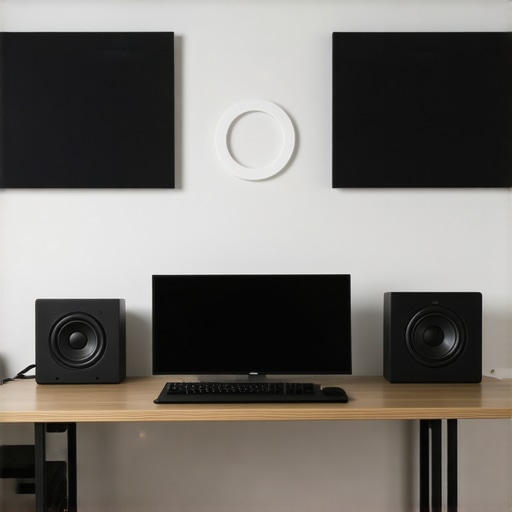
The satellite office is winning
Looking ahead, I predict the ‘Mega-HQ’ will become a relic of the past, reserved only for legacy corporations with too much ego and not enough agility. The future of the future of conference rooms in startup ecosystems is hyper-local and on-demand. We are moving toward a world where your ‘office’ is a network of high-quality nodes rather than a single destination. I’ve already started shifting our strategy toward this, focusing on how to choose an office that supports your scaling speed by prioritizing network access over total desks. My challenge to you: don’t wait for your next lease renewal. Go into your office tomorrow and perform a ‘Digital Twin’ audit—map your physical usage against your digital output. If they don’t align, it’s time to cut the cord on the space that isn’t serving your mission.
The One Metric That Matters More Than Square Footage
I used to think my startup’s credibility was tied to the size of my logo in the lobby. I was wrong. The hardest lesson I learned was that the “Prestige Tax” is a silent killer of early-stage companies. Every dollar spent on an empty executive suite is a dollar not spent on customer acquisition. I eventually realized the logic of choosing a flex office over a 5-year lease isn’t just about saving money; it’s about maintaining the agility to pivot when the market shifts. Another myth is that you need to be isolated to protect your ideas. In reality, why proximity to other startups accelerates your growth became clear the moment a neighbor in a shared lounge solved a scaling issue for us over a ten-minute coffee break. Your space should be an engine, not a trophy case.
My Go-To Vetting Checklist for New Spaces
To avoid getting seduced by fancy espresso machines again, I developed a strict vetting process. First, never sign anything without checking the environmental factors; I always look for how to vet a potential office space for natural light because a dark room is a productivity graveyard. Second, I carry a physical toolkit that includes a portable Wi-Fi analyzer. You must how to test the wi-fi speed before you book that venue or you’ll find yourself tethered to a hotspot during your biggest pitch of the year. Finally, I rely on Robin for spatial analytics to ensure we aren’t paying for “ghost desks” anymore. These tools turn an emotional decision into a data-driven one.
Step Into a Leaner Future
Transitioning from a traditional mindset to a high-utility, flexible workspace is more than a financial move—it’s a declaration of your startup’s priorities. It says you value people and progress over mahogany tables and long-term debt. When you unlock networking opportunities in top coworking environments, you’re not just renting a desk; you’re buying into a community of builders. Don’t be afraid to shed the excess weight and start fresh in a space that actually works as hard as you do. Your next big breakthrough probably won’t happen in a dusty, oversized conference room; it’ll happen where the energy and ideas are flowing. Have you ever felt pressured to get a “real” office just to look professional? Let me know your experience in the comments below!