

I remember staring at the same stubborn coffee stain on the carpet of ‘Conference Room B’ while my lead developer checked his watch for the third time in ten minutes. It was our Q3 review, and the vibe was… off. We were physically present, but the ghosts of yesterday’s failed sprint were still haunting the corners of the room. I realized then that trying to have a ‘big picture’ conversation in the same place where we argue about Jira tickets is like trying to go on a romantic date at your dentist’s office. It just doesn’t work. The baggage is too heavy. Moving our reviews to a neutral ground wasn’t just a luxury; it was a survival tactic for our sanity. We needed to stop burning out in the same four walls. Today, I’m going to share how a simple change of venue transformed our most dreaded meetings into our most productive ones. [image_placeholder_1]
Why Our Own Glass Walls Were Killing Honest Feedback
I used to be that founder who bragged about our ‘open-door’ policy and the sleek glass walls of our internal meeting space. I thought transparency was built into the architecture. But I made a huge mistake early on: I ignored the ‘environmental anchor.’ When you’re sitting in the same chair where you just got a reprimand or had a stressful client call, your brain stays in defensive mode. We were suffering from a severe case of internal fatigue that no amount of free snacks could fix. By stepping out into a professional neutral conference room, we stripped away the hierarchy and the daily grind. It’s amazing how much more people share when they aren’t worried about who’s walking past the glass door. We found that innovative meeting spaces actually give people permission to think differently.
Does a change of scenery really fix a broken culture?
I know what you’re thinking. You’re worried this is just an expensive distraction from the real issues. I had those same doubts. I thought we could just ‘try harder’ to be creative in our usual workspace. But research in the Journal of Environmental Psychology suggests that novel environments can actually ‘unfreeze’ habitual behavior and stimulate higher-level creative thinking by disrupting the cues that trigger our routine responses. It’s not about the fancy chairs—it’s about the psychological reset. When we moved our session to a top-tier coworking hub, the tone changed instantly. People weren’t looking at their Slack; they were looking at each other. Have you ever felt like your team is just ‘going through the motions’ during your big strategy sessions? I’d love to hear if you’ve tried escaping the office to fix it.
Stop Picking Rooms Based Only on Price
Selecting the right environment is like picking the right shoes for a marathon—if they pinch, you aren’t going to finish the race. I learned this the hard way when I booked a budget basement room for a strategy session. We spent half the time squinting in bad light and the other half dealing with a slow Wi-Fi connection. To get real results, you need to look for startup success secrets like high ceilings and natural light, which actually spark creative thinking. You also have to perform the acoustics test before you commit. If you can hear the coffee grinder in the lobby through the wall, your team won’t feel comfortable discussing sensitive burn rates or personnel shifts. Moving to a space that prioritizes soundproofing ensures that your internal debates stay internal.
Treat Your Meeting Like a High-Stakes War Room
A standard meeting is a status update; a war room is where the future is decided. When you step into a real war room, the energy changes. We started a ritual where every ‘off-site’ began with everyone putting their phones in a basket by the door. This isn’t just about being polite; it’s about protecting the mental space we paid for. We also look for spaces that understand why your conference room needs better technology—nothing kills a flow faster than spending twenty minutes hunting for an HDMI adapter. I remember a pivot meeting last winter where we were paralyzed by feature bloat. In the office, everyone was too polite to point out the design flaws. We moved to a collaboration hub, and the atmosphere shifted. Removed from our usual ecosystem, the conversation got raw. We drew all over the whiteboards and finally cut the failing features. Because we were on neutral ground, nobody felt personally attacked; we were just people solving a puzzle on someone else’s wall. 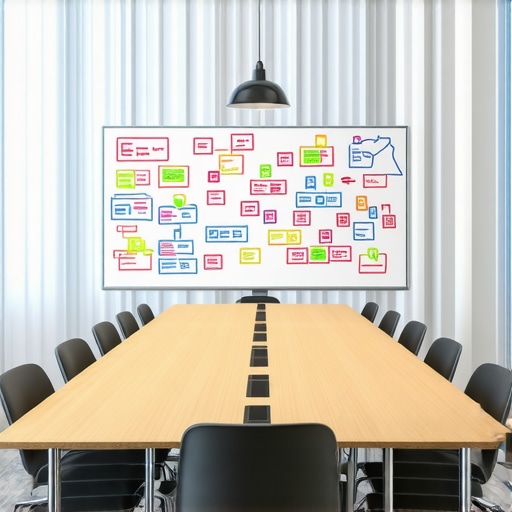
Nail the Logistics Before the Team Arrives
Efficiency is the silent partner of creativity. If you spend the first hour of your booking trying to figure out how to dim the lights or find the restroom, the momentum is gone. When I plan these sessions, I treat the logistics of moving the team like a product launch. This means confirming the room size using the two-pizza rule for meeting rooms—if the room is too big, the energy dissipates; if it’s too small, everyone gets irritable. You need to maximize productivity by ensuring the space has a physical focal point, like a high-quality screen or a massive whiteboard, rather than just a circle of chairs. Finally, always vet the room for privacy beforehand. If people feel like they’re being watched by strangers through a glass wall, they’ll keep their best—and most critical—ideas to themselves.Most founders believe the more ‘startup-y’ a room looks—think neon signs and primary colors—the more creative their team will be. In my experience, that is total nonsense. I have seen more breakthroughs happen in a room that looks like a clean slate than one that looks like a playground. Over-stimulating environments often create ‘cognitive drag,’ where your brain spends more energy processing the decor than the underlying problem. Research from the University of Minnesota suggests that high ceilings (ten feet or more) specifically encourage abstract, relational thinking, which is far more important for strategy than a cool mural. This is why your team is more creative in a room with high ceilings. If you are looking for innovative meeting rooms that boost startup creativity, focus on volume and light, not toys and gadgets. The ‘oops’ factor I see most often is assuming that a ‘private’ room is actually private. I have been in sessions where we were discussing our Q4 burn rate, only to realize the ‘soundproof’ glass was actually just a thin pane. Learning how to vet a meeting room for acoustic privacy before booking is a skill every COO needs to master. If you can hear a muffled conversation in the hallway, they can hear your trade secrets. Why your pitch deck won’t save you from a noisy meeting space is a lesson you do not want to learn during an investor call. #IMAGE_PLACE_HOLDER_C#
How do you keep a board meeting truly confidential in a public hub?
When you are operating in the future of conference rooms in startup ecosystems, you are not just renting a table; you are managing an information security risk. You must know how to keep your startups trade secrets safe in a public lounge or shared corridor. We have started using ‘privacy filters’ on laptops even inside booked rooms and performing a quick sweep for any leftover notes on whiteboards. It sounds paranoid until you realize your competitor might be booking the same room an hour later. Have you ever accidentally left a sensitive whiteboard drawing behind, or realized a stranger was eavesdropping? I would love to hear your horror stories—or how you avoided them—in the comments below. Ultimately, the goal is to maximize productivity while mitigating the risks of a shared environment. Whether you are figuring out how to handle high-stakes board meetings in a shared building or just trying to stop your team from burning out in a home office, the nuance is always in the physical boundaries you set. Success isn’t just about the meeting; it is about the air-tight container you build around it.One of my biggest pet peeves is what I call the ‘dongle shuffle.’ I’ve lost hours of my life watching a frustrated CTO wiggle a loose HDMI cable while an investor looks on with pity. To avoid this, I have a strict rule: we only book spaces that prioritize modern AV infrastructure. Knowing how to find a conference room that actually has working adapters is the first step in my planning process. I also carry a ‘tech go-bag’ containing a dedicated wireless presentation clicker and a 10-foot USB-C cable because you can never guarantee where the wall plug will be. It’s exactly why I appreciate that our private office suites stock extra Surface Pro chargers for members—it’s that level of logistical foresight that keeps a high-intensity session from grinding to a halt. When you realize why your conference room needs better technology, you stop treating it as a luxury and start seeing it as a baseline requirement for high-output teams.
How do I maintain this meeting momentum over time?
It is easy to have one fantastic off-site; it is incredibly difficult to build a lasting culture of high-performance meetings. To keep the energy from fizzling out, I recommend a ‘Quarterly Pulse’ rhythm. We alternate our environments: one quarter we book a real war room for heavy data crunching, and the next we choose a more open coworking environment to invite fresh perspectives. This prevents the ‘environmental anchor’ from becoming stale again. I’ve found that the IEEE 802.11ax (Wi-Fi 6) standard is non-negotiable for these sessions; it handles the high density of our team’s devices without the latency spikes that can ruin a cloud-based collaboration session. By sticking to this technical standard, we maximize productivity and ensure the tools work at the speed of our thoughts.
Your headquarters is becoming a network
I predict that the traditional ‘corporate headquarters’ will soon be a relic of the past for startups. We are rapidly moving toward a future where the role of flex space is the primary driver of growth. In this model, you don’t sign a five-year lease; you subscribe to a network of locations. This allows for scaling a hybrid team across different cities while maintaining a consistent ‘home base’ feel. 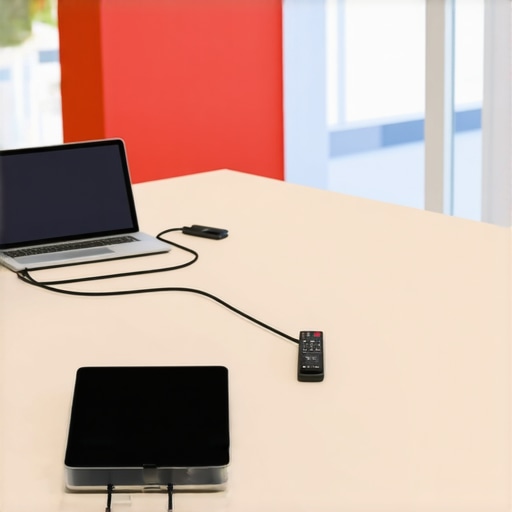 This shift isn’t just about saving money—it’s about agility. When we unlock innovation in top meeting rooms of 2025, we aren’t just renting desks; we are accessing a global ecosystem. Before your next big session, I challenge you to do a ‘logistics dry run.’ Visit the space, test the Wi-Fi speed, and verify the adapter situation. It’s the difference between a meeting that changes your company’s trajectory and one that just wastes everyone’s Tuesday.
The Hardest Lessons from My First 50 Off-Site Sessions
One of the most profound things I discovered is that the ‘vibes’ are actually measurable. I used to think a room was just a room, but I learned that the physical distance from your daily desk is directly proportional to the quality of the ideas generated. If you can still see your usual monitor from the glass door, you aren’t really ‘off-site.’ I also realized that the checklist for a boardroom that doesn’t feel like a hospital is essential; clinical white walls kill the collaborative spirit. Another lightbulb moment was the ‘facilitator effect’—when we moved to a real war room, the physical environment itself acted as a silent mediator, preventing any one voice from dominating the conversation. Finally, never underestimate the power of a post-meeting social ritual in the shared kitchen to cement the bonds you just forged during the deep work.
My High-Performance Toolkit for Strategy Sessions
To make these sessions truly count, I rely on a few specific resources. First, I always keep a copy of ‘Sprint’ by Jake Knapp nearby; it is the ultimate guide for making the most of your perfect conference room booking. Second, for the technical side, I use a dedicated signal tester to ensure we aren’t walking into a connectivity dead zone. Third, I highly recommend reviewing startup success secrets for choosing layouts that encourage movement. These tools help us bridge the gap between a standard meeting and a genuine breakthrough.
Ready to Change Your Teams Perspective
Stepping out of your comfort zone is where the real growth happens for your business. It might feel safer to stay behind your own walls, but the magic happens when you introduce a little bit of the unknown. When you maximize productivity by changing your environment, you aren’t just renting a table; you are investing in your team’s collective potential. If you are ready to find a space that actually supports your vision, don’t hesitate to reach out to us to explore your options. Have you ever had a massive breakthrough only after you left the main office? I’d love to hear what finally clicked for you in the comments below.