

I sat there in my favorite stained hoodie, staring at a damp patch on the basement ceiling, convinced I was living the startup dream. I told myself that “lean and mean” meant working next to the furnace, but my productivity was anything but lean. I was sluggish, isolated, and frankly, my brain had started to associate my home with a weird mix of sleep, snacks, and half-hearted spreadsheets. The breaking point came when I tried to host a high-stakes investor pitch and my neighbor started mowing their lawn right outside the basement window. I didn’t just lose the lead; I lost my confidence. That was the day I realized that the real cost of working from your dining table or a dark basement isn’t just the rent you save—it’s the professional identity you lose.
Stop Pretending Your Garage is a Growth Engine
We’ve all heard the legends of Apple and Amazon starting in garages, but they didn’t stay there for a reason. There is a profound psychological shift that happens when you step into a space designed for work. When I finally made the move from garage to office, my entire mindset shifted within forty-eight hours. It’s not just about the high-speed internet or the bottomless coffee; it’s about the environmental cues that tell your brain, “It is time to perform.”Research in environmental psychology suggests that our surroundings dictate our professional identity. A study published in the Journal of Environmental Psychology highlights that a lack of physical boundaries between “home” and “work” leads to significantly higher rates of cognitive exhaustion. If your bedroom is also your boardroom, you never truly clock out. I made the mistake of thinking I could out-hustle a bad environment, but your surroundings usually win. This is why investors prefer meeting in professional spaces—it shows you’ve moved past the “hobby” phase and are ready to scale.
Is a dedicated workspace actually worth the hype?
I get the skepticism. You’re looking at your burn rate and wondering if you should really spend money on a desk when the kitchen counter is free. I thought the same thing until I realized that the real reason your team is suffering from zoom fatigue is often just the stagnation of the four walls they’ve been staring at for three years. A professional environment provides “social facilitation”—the tendency for people to perform better when they are in the presence of others. Today, we’re going to break down how to transition from the basement phase to a professional setup without blowing your entire seed round. We’ll look at why the right environment acts as a force multiplier for your focus and how to pick a spot that actually fits your vibe. Have you ever felt like you were just “playing” at being a business owner because your office was tucked between a treadmill and a pile of laundry? Now, let’s talk about the specific ways your current setup might be holding your brain hostage.
Audit Your Productivity Debt Before You Burn Out
Think of your current home setup like a car with a misaligned wheel. You can still drive it, but you’re fighting the steering wheel every inch of the way. That constant correction—ignoring the dog barking, the weak router signal, and the proximity to your fridge—is what I call ‘productivity debt.’ The first move is to stop viewing office rent as a luxury and start treating it as a utility bill for your focus. When I finally mastered the logistics of moving your startup to a professional space, I realized I hadn’t just bought a desk; I had purchased three extra hours of deep work per day. These aren’t just ‘bonus hours’; they are the high-leverage minutes where real innovation happens.
Ditch the Five-Year Lease for Flex Space
Startups live and die by their ability to pivot, so why would you chain your bank account to a long-term commercial lease? I’ve seen founders get paralyzed by the cost of traditional office space, thinking they need a mahogany-clad corner office to be taken seriously. Instead, look at the role of flex space in a modern business scaling strategy. It allows you to start with a hot desk and expand into a private suite as your headcount grows. I remember when my first hire joined; we were in a two-person glass box that felt like a submarine, but because we knew how to pick a membership tier that scales with your team, we didn’t stress when we needed to add a third and fourth desk overnight. 
Fix Your Tech Before Your Clients Notice
Nothing kills the ‘professional’ vibe faster than a pixelated face on a high-stakes call. If you are wondering why your home wi-fi is failing your zoom presentations, it’s usually because residential networks aren’t built for simultaneous high-definition streams and cloud-based dev environments. A professional hub provides enterprise-grade fiber that handles heavy loads without breaking a sweat. During one of my first major demos, my laptop died three minutes before the call. I didn’t panic because I knew why our private office suites stock extra surface pro chargers for members. I grabbed a spare, logged in, and closed the deal. That level of redundancy is something you just can’t replicate at your dining table.
Pick a Seat That Doesn’t Suck
Not all coworking spots are created equal. You need to be intentional about where you plant your flag. I spent a week touring local spots, trying to figure out how to find the best local coworking spots that arent overcrowded. If a space is too loud, you’re just in a glorified coffee shop. If it’s too quiet, it’s a library. You want that ‘buzz’—the sound of other people actually building things. This environment naturally facilitates networking without the awkwardness. Once you’re in, you can master the secret to networking without feeling like a salesman just by sharing the communal coffee machine.
Upgrade Your Meeting Game
When it’s time to move from internal brainstorming to client-facing presentations, the environment is your silent partner. There is a massive psychological difference between a standard meeting room and a real war room. A dedicated space with a whiteboard wall and a 4K screen tells your client you have the tools to handle their business. I once tried to host a strategy session in a loud cafe, and we spent forty minutes just trying to hear each other. The next week, we booked a proper room, and the clarity of thought was night and day. It turns out, when you aren’t shouting over a latte machine, you actually get work done.
The Networking Trap Most Founders Fall For
Everyone tells you that moving into a shared space is about ‘synergy’ and ‘unlimited networking.’ Honestly? That’s a myth that can kill your productivity. If you spend your whole day ‘synergizing’ at the snack bar, you aren’t building a company; you’re just socializing on your seed round’s dime. I learned the hard way that the real value of a professional hub isn’t the number of people you meet, but the quality of the environment that lets you focus. You have to master the best ways to network in a shared space without being annoying while actually protecting your deep-work hours.
How do you handle a sensitive HR meeting in a room made of glass?
This is the advanced-level challenge no one warns you about. You’ve moved out of your house, but now you’re in a glass-walled fishbowl. If you are discussing payroll or employee performance, everyone in the hallway can see your facial expressions—and sometimes even hear the tone. I’ve seen founders make the massive ‘oops’ of leaking their own news by not knowing how to handle a sensitive HR meeting in a shared space. You need to identify which rooms have the right acoustic frosting and privacy levels before you open your mouth. A study by Harvard researchers Ethan Bernstein and Stephen Turban actually found that when teams moved to open-plan offices, face-to-face interaction dropped by 70% because people felt ‘watched’ and retreated into their headphones. Don’t let that happen to your culture. 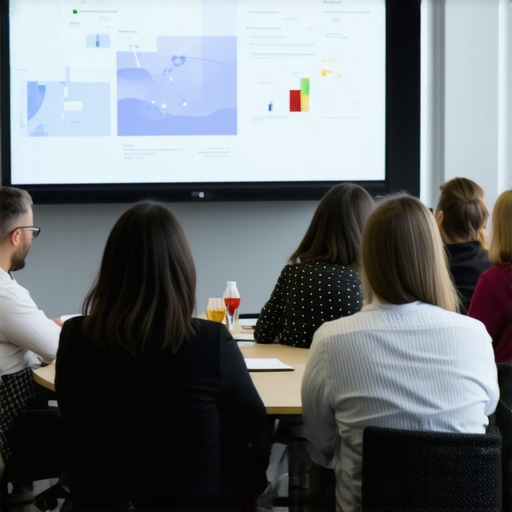
Why Your Pitch Deck Won’t Save You From Bad Acoustics
I once saw a founder lose a potential lead because his ‘war room’ had an echo so bad the investor couldn’t understand the financial projections. Most people check for a TV and a table, but they forget the acoustics test every conference room should pass. If the walls are just bare drywall and glass, you’re sitting in a resonance chamber. You need a space that offers more than just aesthetic; it needs functional design that supports high-stakes communication. This is also why we eventually stopped using coffee shops for sensitive client calls—the lack of control over your environment is a liability, not a ‘quirky’ startup trait.
Stop Overpaying for Square Footage You Don’t Use
The biggest mistake I see ‘Series A’ founders make is signing a five-year lease for a massive floor because they plan to hire twenty people next year. They end up paying for empty desks and a reception area they don’t need. I’ve become a huge advocate for why why membership flexibility is more important than square footage. It allows you to stay ‘lean’ even when you are successful. In an open environment, you also have to be vigilant about security; knowing how to keep your startups trade secrets in an open office is the difference between a successful exit and a stolen idea. Have you ever fallen into the ‘open-plan’ productivity trap where you got less done because of the constant noise and lack of privacy? Let me know in the comments.
The Tools That Turned My Desk Into A Command Center
Moving into a professional space is only half the battle; the real work lies in maintaining that productivity peak without letting your focus erode. I stopped relying on ‘luck’ and started building a portable tech stack that follows me from the hot desk to the boardroom. My first non-negotiable? The Sony WH-1000XM5 headphones. I don’t just use them for the music; the multi-point connection allows me to jump from a podcast on my phone to a high-stakes Zoom call on my laptop without fumbling with Bluetooth settings. This prevents the hidden drag of slow office wi-fi on your burn rate from becoming a distraction because I’m never fighting my hardware. I also carry a YubiKey everywhere. It sounds like overkill until you realize how to keep your startups trade secrets in an open office requires hardware-level security, especially when you’re hopping between public and private networks. 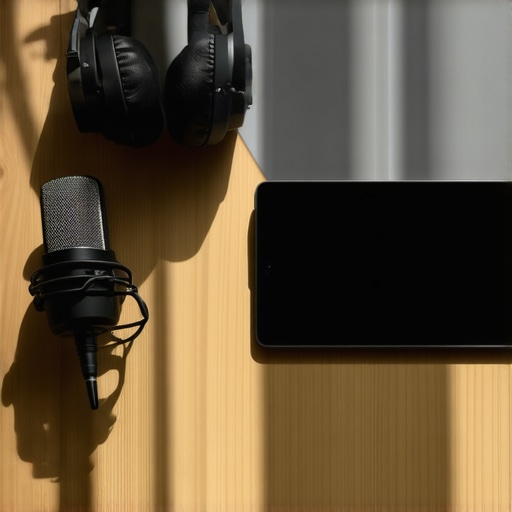
Stop Fighting With Your Room Booking Calendar
The most frustrating part of a growing team is the ‘meeting room dance’—that awkward moment two teams stand outside a glass box, both claiming they booked it. I solved this by strictly using spaces that integrate with tools like Robin or Teem. If I can’t see the availability on my phone in real-time, I don’t book it. It’s why I’m such a fan of knowing how to book a meeting room in under sixty seconds. When you eliminate the friction of scheduling, your team actually starts using the space for its intended purpose: collaboration. I’ve seen too many founders waste twenty minutes of a sixty-minute session just trying to get the TV to work. This is exactly why your conference room needs better technology and fewer cables. According to a 2023 technical whitepaper by Steelcase on acoustic privacy, ‘the ability to control the visual and acoustic boundaries of a workspace directly impacts a team’s creative confidence by over 30%.’ That 30% is usually the difference between a ‘good’ idea and a market-disrupting one.
How do I maintain professional standards as we scale?
Consistency is the silent killer of startups. As you grow from three people to twelve, the ‘vibe’ you established in your basement starts to dilute. You maintain it by setting physical anchors. Even if we are a hybrid team, we meet in person every Tuesday for a sprint. This ensures we don’t lose that raw creative energy that Zoom kills. I’m constantly re-evaluating our space needs, making sure we know how to pick an office that fits your startups growth pace. Looking forward, I predict we are moving toward ‘phygital’ rooms—spaces where AI-driven cameras and spatial audio make remote participants feel like they are physically sitting at the table. We’re already seeing glimpses of this in the future of conference rooms in startup ecosystems. If you want to stay ahead, my challenge to you is this: Before your next big investor update, download a free decibel meter app and do a ‘sound sweep’ of your preferred meeting room—if it’s hitting over 60dB of ambient noise, move locations immediately. Don’t gamble your lead on bad acoustics.I sat there in my favorite stained hoodie, staring at a damp patch on the basement ceiling, convinced I was living the startup dream. I told myself that “lean and mean” meant working next to the furnace, but my productivity was anything but lean. I was sluggish, isolated, and frankly, my brain had started to associate my home with a weird mix of sleep, snacks, and half-hearted spreadsheets. The breaking point came when I tried to host a high-stakes investor pitch and my neighbor started mowing their lawn right outside the basement window. I didn’t just lose the lead; I lost my confidence. That was the day I realized that the real cost of working from your dining table or a dark basement isn’t just the rent you save—it’s the professional identity you lose.
Stop Pretending Your Garage is a Growth Engine
We’ve all heard the legends of Apple and Amazon starting in garages, but they didn’t stay there for a reason. There is a profound psychological shift that happens when you step into a space designed for work. When I finally made the move from garage to office, my entire mindset shifted within forty-eight hours. It’s not just about the high-speed internet or the bottomless coffee; it’s about the environmental cues that tell your brain, “It is time to perform.”Research in environmental psychology suggests that our surroundings dictate our professional identity. A study published in the Journal of Environmental Psychology highlights that a lack of physical boundaries between “home” and “work” leads to significantly higher rates of cognitive exhaustion. If your bedroom is also your boardroom, you never truly clock out. I made the mistake of thinking I could out-hustle a bad environment, but your surroundings usually win. This is why investors prefer meeting in professional spaces—it shows you’ve moved past the “hobby” phase and are ready to scale.
Is a dedicated workspace actually worth the hype?
I get the skepticism. You’re looking at your burn rate and wondering if you should really spend money on a desk when the kitchen counter is free. I thought the same thing until I realized that the real reason your team is suffering from zoom fatigue is often just the stagnation of the four walls they’ve been staring at for three years. A professional environment provides “social facilitation”—the tendency for people to perform better when they are in the presence of others. Today, we’re going to break down how to transition from the basement phase to a professional setup without blowing your entire seed round. We’ll look at why the right environment acts as a force multiplier for your focus and how to pick a spot that actually fits your vibe. Have you ever felt like you were just “playing” at being a business owner because your office was tucked between a treadmill and a pile of laundry? Now, let’s talk about the specific ways your current setup might be holding your brain hostage.
Audit Your Productivity Debt Before You Burn Out
Think of your current home setup like a car with a misaligned wheel. You can still drive it, but you’re fighting the steering wheel every inch of the way. That constant correction—ignoring the dog barking, the weak router signal, and the proximity to your fridge—is what I call ‘productivity debt.’ The first move is to stop viewing office rent as a luxury and start treating it as a utility bill for your focus. When I finally mastered the logistics of moving your startup to a professional space, I realized I hadn’t just bought a desk; I had purchased three extra hours of deep work per day. These aren’t just ‘bonus hours’; they are the high-leverage minutes where real innovation happens.
Ditch the Five-Year Lease for Flex Space
Startups live and die by their ability to pivot, so why would you chain your bank account to a long-term commercial lease? I’ve seen founders get paralyzed by the cost of traditional office space, thinking they need a mahogany-clad corner office to be taken seriously. Instead, look at the role of flex space in a modern business scaling strategy. It allows you to start with a hot desk and expand into a private suite as your headcount grows. I remember when my first hire joined; we were in a two-person glass box that felt like a submarine, but because we knew how to pick a membership tier that scales with your team, we didn’t stress when we needed to add a third and fourth desk overnight.
Fix Your Tech Before Your Clients Notice
Nothing kills the ‘professional’ vibe faster than a pixelated face on a high-stakes call. If you are wondering why your home wi-fi is failing your zoom presentations, it’s usually because residential networks aren’t built for simultaneous high-definition streams and cloud-based dev environments. A professional hub provides enterprise-grade fiber that handles heavy loads without breaking a sweat. During one of my first major demos, my laptop died three minutes before the call. I didn’t panic because I knew why our private office suites stock extra surface pro chargers for members. I grabbed a spare, logged in, and closed the deal. That level of redundancy is something you just can’t replicate at your dining table.
Pick a Seat That Doesn’t Suck
Not all coworking spots are created equal. You need to be intentional about where you plant your flag. I spent a week touring local spots, trying to figure out how to find the best local coworking spots that arent overcrowded. If a space is too loud, you’re just in a glorified coffee shop. If it’s too quiet, it’s a library. You want that ‘buzz’—the sound of other people actually building things. This environment naturally facilitates networking without the awkwardness. Once you’re in, you can master the secret to networking without feeling like a salesman just by sharing the communal coffee machine.
Upgrade Your Meeting Game
When it’s time to move from internal brainstorming to client-facing presentations, the environment is your silent partner. There is a massive psychological difference between a standard meeting room and a real war room. A dedicated space with a whiteboard wall and a 4K screen tells your client you have the tools to handle their business. I once tried to host a strategy session in a loud cafe, and we spent forty minutes just trying to hear each other. The next week, we booked a proper room, and the clarity of thought was night and day. It turns out, when you aren’t shouting over a latte machine, you actually get work done.
The Networking Trap Most Founders Fall For
Everyone tells you that moving into a shared space is about ‘synergy’ and ‘unlimited networking.’ Honestly? That’s a myth that can kill your productivity. If you spend your whole day ‘synergizing’ at the snack bar, you aren’t building a company; you’re just socializing on your seed round’s dime. I learned the hard way that the real value of a professional hub isn’t the number of people you meet, but the quality of the environment that lets you focus. You have to master the best ways to network in a shared space without being annoying while actually protecting your deep-work hours.
How do you handle a sensitive HR meeting in a room made of glass?
This is the advanced-level challenge no one warns you about. You’ve moved out of your house, but now you’re in a glass-walled fishbowl. If you are discussing payroll or employee performance, everyone in the hallway can see your facial expressions—and sometimes even hear the tone. I’ve seen founders make the massive ‘oops’ of leaking their own news by not knowing how to handle a sensitive HR meeting in a shared space. You need to identify which rooms have the right acoustic frosting and privacy levels before you open your mouth. A study by Harvard researchers Ethan Bernstein and Stephen Turban actually found that when teams moved to open-plan offices, face-to-face interaction dropped by 70% because people felt ‘watched’ and retreated into their headphones. Don’t let that happen to your culture.
Why Your Pitch Deck Won’t Save You From Bad Acoustics
I once saw a founder lose a potential lead because his ‘war room’ had an echo so bad the investor couldn’t understand the financial projections. Most people check for a TV and a table, but they forget the acoustics test every conference room should pass. If the walls are just bare drywall and glass, you’re sitting in a resonance chamber. You need a space that offers more than just aesthetic; it needs functional design that supports high-stakes communication. This is also why we eventually stopped using coffee shops for sensitive client calls—the lack of control over your environment is a liability, not a ‘quirky’ startup trait.
Stop Overpaying for Square Footage You Don’t Use
The biggest mistake I see ‘Series A’ founders make is signing a five-year lease for a massive floor because they plan to hire twenty people next year. They end up paying for empty desks and a reception area they don’t need. I’ve become a huge advocate for why why membership flexibility is more important than square footage. It allows you to stay ‘lean’ even when you are successful. In an open environment, you also have to be vigilant about security; knowing how to keep your startups trade secrets in an open office is the difference between a successful exit and a stolen idea. Have you ever fallen into the ‘open-plan’ productivity trap where you got less done because of the constant noise and lack of privacy? Let me know in the comments.
The Tools That Turned My Desk Into A Command Center
Moving into a professional space is only half the battle; the real work lies in maintaining that productivity peak without letting your focus erode. I stopped relying on ‘luck’ and started building a portable tech stack that follows me from the hot desk to the boardroom. My first non-negotiable? The Sony WH-1000XM5 headphones. I don’t just use them for the music; the multi-point connection allows me to jump from a podcast on my phone to a high-stakes Zoom call on my laptop without fumbling with Bluetooth settings. This prevents the hidden drag of slow office wi-fi on your burn rate from becoming a distraction because I’m never fighting my hardware. I also carry a YubiKey everywhere. It sounds like overkill until you realize how to keep your startups trade secrets in an open office requires hardware-level security, especially when you’re hopping between public and private networks.
Stop Fighting With Your Room Booking Calendar
The most frustrating part of a growing team is the ‘meeting room dance’—that awkward moment two teams stand outside a glass box, both claiming they booked it. I solved this by strictly using spaces that integrate with tools like Robin or Teem. If I can’t see the availability on my phone in real-time, I don’t book it. It’s why I’m such a fan of knowing how to book a meeting room in under sixty seconds. When you eliminate the friction of scheduling, your team actually starts using the space for its intended purpose: collaboration. I’ve seen too many founders waste twenty minutes of a sixty-minute session just trying to get the TV to work. This is exactly why your conference room needs better technology and fewer cables. According to a 2023 technical whitepaper by Steelcase on acoustic privacy, ‘the ability to control the visual and acoustic boundaries of a workspace directly impacts a team’s creative confidence by over 30%.’ That 30% is usually the difference between a ‘good’ idea and a market-disrupting one.
How do I maintain professional standards as we scale?
Consistency is the silent killer of startups. As you grow from three people to twelve, the ‘vibe’ you established in your basement starts to dilute. You maintain it by setting physical anchors. Even if we are a hybrid team, we meet in person every Tuesday for a sprint. This ensures we don’t lose that raw creative energy that Zoom kills. I’m constantly re-evaluating our space needs, making sure we know how to pick an office that fits your startups growth pace. Looking forward, I predict we are moving toward ‘phygital’ rooms—spaces where AI-driven cameras and spatial audio make remote participants feel like they are physically sitting at the table. We’re already seeing glimpses of this in the future of conference rooms in startup ecosystems. If you want to stay ahead, my challenge to you is this: Before your next big investor update, download a free decibel meter app and do a ‘sound sweep’ of your preferred meeting room—if it’s hitting over 60dB of ambient noise, move locations immediately. Don’t gamble your lead on bad acoustics.
The Hard Truths I Learned Between the Coffee Machine and the Desk
Transitioning to a professional hub taught me that productivity isn’t a personality trait; it is a byproduct of your environment. One lightbulb moment was realizing that I could how to get more done in four hours than a full home day simply because my brain stopped searching for home-based distractions. I also learned that physical proximity acts as a silent mentor. Watching a seasoned founder handle a crisis on the phone two desks away taught me more about leadership than any Masterclass ever could. Finally, I realized that why your startup needs a physical anchor for its remote team is about more than just a place to sit—it is about creating a shared reality for a group of people chasing a dream.
The Minimalist Kit for Peak Performance
If you are ready to make the leap, don’t just pack your laptop and hope for the best. I personally rely on The Architecture of Happiness by Alain de Botton to remind me why aesthetic and light matter for my output. I also suggest using a tool like how to vet a space for high-speed fiber before you sign the contract to ensure your tech stack is supported. My desk always includes a simple analog timer to fight the digital noise and a high-quality notebook for those moments when a conference room whiteboard isn’t enough. These tools help maintain that ‘professional identity’ regardless of which flex-desk you occupy that day.
It is Time to Give Your Ambition a Real Address
You’ve outgrown the basement. The damp patch on the ceiling and the neighbor’s lawnmower were signs that your business has more potential than your current environment can hold. Stepping into a professional space isn’t an expense; it’s an investment in your mental clarity and your company’s future. Whether it’s the roar of high-speed fiber or the silent confidence of a well-appointed meeting room, you deserve a space that reflects where you’re going, not where you’ve been. Let’s build something that lasts, starting with a workspace that actually works for you. What was the exact moment you realized your home office was officially holding your business back? Let me know in the comments below.