
It was exactly 2:45 PM on a Friday, and I was sweating through my favorite button-down shirt. I had a pitch deck open on my laptop and a potential investor waiting on a Zoom link, but I was currently standing in a supply closet because every single glass-walled box in the building was occupied by teams clinking beer bottles and celebrating the end of the week. I learned a very expensive lesson that day: assuming you can just ‘find a spot’ in a bustling startup hub on a Friday afternoon is a recipe for professional suicide. I spent fifteen minutes of that high-stakes call trying to ignore the sound of a vacuum cleaner in the hallway. It was humiliating, and it was the moment I realized that [why your pitch failed in that noisy coffee shop](https://coworkingcentral.com/why-your-pitch-failed-in-that-noisy-coffee-shop) or a crowded lounge isn’t just about bad luck—it’s about a lack of a concrete strategy. Today, I’m going to share the exact workflow I use to ensure I never have to take a board call next to a mop bucket ever again. We are going to fix your Friday workflow so you can actually enjoy the weekend instead of dreading the 3:00 PM scramble.
Stop Fighting for Table Scraps at the End of the Week
Most of us treat Fridays as a time to wind down, but in a shared office environment, that transition creates a unique kind of chaos. When the communal energy shifts from ‘focus mode’ to ‘happy hour,’ the demand for private space actually spikes. I made the classic mistake of thinking I could wing it. I’d walk into the lobby, see a few empty chairs, and think I was safe. But [why your pitch fails in a noisy lobby](https://coworkingcentral.com/why-your-pitch-fails-in-a-noisy-lobby) becomes painfully obvious the second someone starts a loud conversation about their weekend plans right behind your head. According to a report by the Harvard Business Review, workplace distractions can cause a 40% drop in productivity, and the mental load of hunting for a quiet corner only adds to that deficit. If you aren’t booking with intent, you’re essentially gambling with your professional reputation. I’ve found that the secret isn’t just about clicking ‘reserve’ earlier; it’s about knowing which rooms are ‘hidden gems’ and which ones are acoustic nightmares. Have you ever found yourself pacing the hallways of your building, eyes darting from door to door, hoping for a ‘green’ light on a tablet? It’s a stress no founder needs.
Can you really trust a last-minute booking?
It sounds like a gamble, doesn’t it? You might be skeptical that a room will even be available when the whole world is checking out for the day. Early in my career, I was terrified of [how to handle a sensitive HR meeting in a shared space](https://coworkingcentral.com/how-to-handle-a-sensitive-hr-meeting-in-a-shared-space) because I didn’t think I could guarantee privacy. I thought I’d be forced to use a home connection, but I knew [why your home wi-fi is failing your zoom presentations](https://coworkingcentral.com/why-your-home-wi-fi-is-failing-your-zoom-presentations) all too well. The truth is, the system is hackable if you know the rhythms of your specific space. By the end of this guide, you’ll know how to vet a room in seconds and secure a professional environment that makes you look like a seasoned pro, even when the rest of the office is already halfway to the bar. We’re moving past the guesswork and into a tactical approach for [how to find a quiet meeting room on short notice](https://coworkingcentral.com/how-to-find-a-quiet-meeting-room-on-short-notice-2) that works every single time.
Hunt for Ghost Bookings at Ten Past the Hour
Most people assume that if the booking app says ‘Full,’ the building is actually full. It rarely is. In my experience, about 20% of Friday afternoon bookings are ‘ghosts’—recurring meetings that the owner forgot to cancel or people who checked out early for drinks. Last month, I was desperate to find a space for a high-priority follow-up call. The dashboard showed red across the board, but I stood in the hallway and watched the tablet of ‘Meeting Room B’ like a hawk. At 1:10 PM, the system automatically released the room because the previous user hadn’t checked in. I grabbed it instantly. This is why you need to know how to find a quiet meeting room on short notice by gaming the system’s own rules. Don’t just look at your screen; look at the physical doors. If you see a room that’s been empty for fifteen minutes, head to the front desk and ask them to manually override the booking. Nine times out of ten, they will grant you the space because they want the utilization metrics to look good.
Why the Prettiest Room is Usually the Loudest
We all have an instinct to grab the room with the best view of the skyline, but in a coworking environment, aesthetic appeal often correlates with acoustic failure. Those floor-to-ceiling glass walls are beautiful, but they are also sound-bouncing nightmares. If you are trying to understand the truth about shared office noise levels, you have to look at the materials. Glass and polished concrete are the enemies of a professional-sounding call.  I once sat in a gorgeous, sun-drenched suite for a demo only to realize that the glass reflected my voice so much I sounded like I was speaking from the bottom of a well. This is exactly why your pitch deck won’t save you from a noisy meeting space; if the investor can’t hear your passion because of the echo, the data points don’t matter. Always prioritize the ‘ugly’ rooms—the ones in the back corners with acoustic panels on the walls and thick carpeting. These are the workhorses that ensure your audio remains crisp.
Run This Five-Second Acoustic Drill
Before you even open your laptop, you need to perform a ‘vibe check’ on the room’s privacy. Close the door and stand in the center of the space. If you can hear the muffled bass of the lobby music or the distinct clinking of spoons in the communal kitchen, your client will hear it too. You need to know how to vet a meeting room for acoustic privacy before booking by simply listening for ‘leakage’ points under the door or through the ceiling tiles. If it fails the ear test, it’s going to fail the Zoom test. In those cases, you might need to look for the acoustic fix for echoey conference rooms like temporary dampening, but on a short-notice Friday, your best bet is simply moving to a different floor. I have found that rooms located near the elevators are high-traffic zones you should avoid at all costs. Instead, look for the ‘dead zones’ where the Wi-Fi signal is strong but the human foot traffic is non-existent. This is the only way to successfully how to host a webinar without background noise or connection drops when the rest of the startup world is winding down for the week.I’ve spent years watching founders obsess over the wrong details when booking space. They think the ‘best’ room is the most expensive one, or the one that looks like a traditional law firm suite. That’s a rookie mistake. In reality, the best room is the one that fits the ‘vibe’ of the deal you are trying to close.
Stop Chasing the Massive Boardroom Illusion
Everyone says you need the biggest room in the building to impress a VC, but in my experience, a twelve-person table with only three people sitting at it creates a massive psychological distance. It feels cold, and it highlights your ‘smallness’ rather than your potential. I’ve found that the difference between a standard meeting room and a real war room isn’t about square footage; it’s about intensity. A study published in the Journal of Environmental Psychology suggests that ‘social density’—the ratio of people to space—directly affects how persuasive you are. When you are in a smaller, tighter space, your energy fills the room. When you are in a cavernous hall, your voice literally and figuratively loses its weight. I’ve closed more deals in ‘phone booths’ and four-person pods than in any grand executive suite.
The High-Tech Trap That Kills Your Momentum
Here is a specific warning: never trust a room just because it has a ‘smart’ label. I once lost a deal because I spent ten minutes of a thirty-minute window trying to find an adapter for a ‘proprietary’ wireless display system. We know that why your pitch deck looks better on a forty-inch screen than a laptop is a fact, but if you can’t get the image to appear, you look like an amateur.  This is the ‘oops’ factor most people ignore—the technical friction of a high-end space. If you are how to handle high-stakes board meetings in a shared building, you need to arrive twenty minutes early just to test the HDMI cables. Don’t assume the ‘high-tech’ room is ready for you; it’s usually just a collection of fragile components waiting to fail at the worst moment. Have you ever fallen into this trap? Let me know in the comments.
Does your room choice accidentally signal a lack of scale?
The nuance most founders miss is the ‘background brand.’ If you are trying to convince a partner you are a stable, growing entity, but you are how to host a product demo that looks professional on a budget in a room that looks like a playroom with beanbags, you are sending a mixed message. Professionalism in a coworking space requires a balance between the modern ‘hacker’ vibe and corporate reliability. This is why your meeting room needs to be more than just a table; it needs to be a neutral backdrop that allows your ideas to be the star, not the quirky wallpaper. You want a space that feels like it could be your permanent headquarters, even if you’re only renting it by the hour.
Build a Zero-Fail Gear Bag for Every Pitch
I never walk into a booked space without my ‘Zero-Fail Bag.’ This isn’t just an extra charger; it’s a tactical response to the unpredictability of flex spaces. I carry a 10-foot HDMI 2.1 cable because the 3-foot one provided by the building rarely reaches the center of the table, and a dedicated multi-port hub ensures I am never the person asking if anyone has a USB-C adapter. I also swear by a portable Jabra Speak 710 for any call with more than two people in the room. Why? Because most integrated room mics are tuned for general speech, not the high-fidelity nuances of an investor pitch. If you want to know why your meeting room needs better technology and fewer cables, look at the floor. If it’s a mess of wires, your productivity will be too. I’ve found that bringing my own hardware ensures I control the environment rather than being a victim of it. 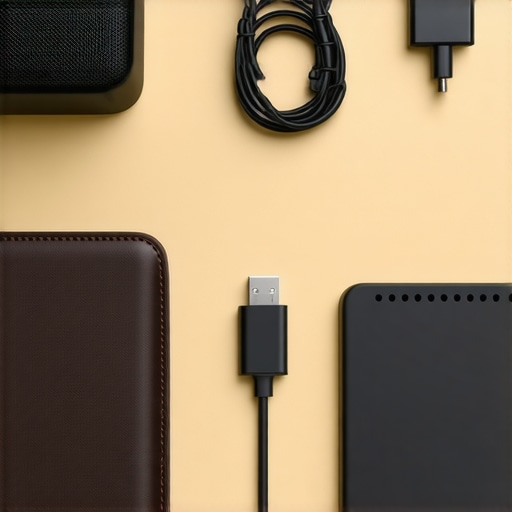
Stop Renting by the Hour and Start Owning the Vibe
Eventually, the hourly hustle becomes a drag on your burn rate and your focus. I realized why we stopped paying for square footage we never used when I calculated that our lead engineer was spending four hours a week just coordinating room bookings. That was the signal to look into the role of flex space in a modern business scaling strategy. When you move from booking ‘Room B’ on a whim to having a dedicated suite, you gain more than just a desk; you gain a consistent acoustic profile. According to technical experts who follow the ISO 3382-2 standard for reverberation time, consistency in your acoustic environment is key to reducing listener fatigue. If you are constantly changing rooms, you are forcing your clients’ brains to re-adjust to your audio quality every single week.
How do I keep my meeting standards high as we scale?
Maintaining professional standards requires a shift from ‘scavenging’ for space to ‘curating’ it. As your team grows, you need to transition into how to pick a membership tier that scales with your team so you aren’t fighting for the same four-person pod every Friday. I recommend conducting a monthly ‘tech audit’ of the rooms you frequent. Check the Wi-Fi speeds using a tool like Speedtest.net specifically in the corner where you sit; sometimes a single wall can drop your throughput by 50%. This is the hidden drag of slow office wi-fi on your burn rate that most founders ignore until a demo fails. In the future, I predict we will see AI-driven spatial audio built directly into the walls of coworking pods, but until then, your best tool is a high-quality external microphone and a rigid booking schedule.
Make the Switch to Permanent Professionalism
If you are still struggling with how to handle high-stakes board meetings in a shared building, it might be time to stop treating your office like a hotel and start treating it like a headquarters. My advice? Spend the extra 15% on a dedicated desk or a private suite that gives you priority access to the best rooms. The mental peace of knowing your ‘War Room’ is ready for you is worth every penny of the membership fee. If you haven’t yet, I challenge you to try the ‘Ten-Minute Tech Test’—arrive ten minutes early to your next booking, test every cable, and run a mic check. You’ll be surprised how many ‘perfect’ rooms are actually technical disasters waiting to happen.
Hard Lessons from My Supply Closet Days
Reflecting on that disastrous Friday afternoon, I realized that the most expensive mistakes aren’t made in the pitch deck, but in the environment where the pitch is delivered. First, the ghost booking is your best friend; people are notoriously bad at managing their schedules when the weekend beckons, so standing physically at a door is more effective than any app. Second, remember that a ‘cool’ office aesthetic is often a mask for poor functionality. I once prioritized a room with a ping-pong table for a ‘fun’ vibe, only to realize the acoustics were like a gymnasium. Now, I use the exact checklist for vetting a high-stakes board room to ensure the physical space matches the gravity of the conversation. Finally, never underestimate the power of the front desk staff; a friendly relationship with the community manager can get you into a ‘restricted’ suite faster than any premium membership tier.
My Non-Negotiable Kit for Professional Pitches
I don’t leave my productivity to chance anymore. My toolkit includes a dedicated 4K webcam because built-in laptop cameras are grainy and unprofessional in low-light rooms. I also rely on a high-gain external microphone to cut through the hum of the HVAC systems common in large buildings. To keep my standards high, I regularly consult the checklist for a boardroom that doesn’t feel like a hospital to ensure the lighting and furniture setup projects success. If you are debating the cost of these upgrades, I suggest reading how to tell if a coworking membership is worth the price to see how much your environment actually contributes to your bottom line. I personally trust tools from Jabra and Logitech because they are the industry standard for reliability in high-stakes environments.
Take Control of Your Professional Environment
You deserve a workspace that works as hard as you do. Stop settling for the ‘supply closet’ or the noisy lobby when you are trying to change the world. By mastering how to find a quiet meeting room on short notice, you aren’t just booking a table; you are protecting your focus and your reputation. As you scale, look for opportunities on how to transition your team from a garage to a real office so you can provide your staff with the same level of professional consistency you’ve now mastered for yourself. What is the weirdest or most embarrassing place you have ever had to take a professional call? Let me know your ‘mop bucket’ story in the comments below!