
I’ll never forget the cold sweat that broke out on my forehead exactly three minutes before my first major product demo. I was standing in one of those innovative meeting rooms that look like a million bucks—all glass walls and ergonomic chairs—but as I soon discovered, the tech reliability was about as solid as a house of cards in a hurricane. I had the slides ready, the prototype was humming, and then—poof. The projector flickered out. I realized at that moment that a cool aesthetic doesn’t mean a thing if your HDMI cable is frayed and your backup hotspot is still sitting on your kitchen counter at home. It was a humiliating lesson in preparation that I never intend to repeat.
That Moment I Realized My Launch Was Heading for a Cliff
Early in my founder journey, I made the classic rookie mistake of hosting a product demo in a rented suite without doing a full “dark run” the night before. I just trusted the brochure. I assumed that “high-speed internet” meant it could handle twenty people streaming at once, and I was wrong. Between you and me, that single oversight cost us a lead investor. Today, I’m going to make sure that never happens to you. We are going to walk through the exact, battle-tested checklist I use to ensure every wire, every login, and every lightbulb works exactly when it needs to. We aren’t just talking about tech; we’re talking about your reputation.
Is all this neurotic preparation actually worth the headache?
You might be thinking that I’m overthinking this. After all, shouldn’t the venue staff handle the heavy lifting? In a perfect world, yes. But in the real world, a study by EventMB found that technical glitches are cited as the number one stressor for 46% of event planners. If the pros are worried, you should be too. I’ve learned the hard way that you need to know how to test the wi-fi speed before you book that venue yourself, rather than taking a salesperson’s word for it. It feels tedious until the moment the room goes dark and you’re the only person who knows how to handle technical glitches without breaking a sweat. Have you ever had a “perfect” presentation get derailed by something as small as a dead remote battery? It’s a gut-punch, isn’t it? Stick with me, and let’s make sure your next launch is remembered for the product, not the projector.
Get Your Hands Dirty with a Full Tech Rehearsal
The first rule of any successful launch is simple: never assume anything works until you have personally broken it and fixed it in the exact environment you’ll be using. I call this the ‘Dark Run.’ Last year, while prepping for a high-stakes pitch, I spent four hours in one of those innovative meeting rooms trying to figure out why my Mac wouldn’t talk to their proprietary wireless display system. If I had waited until ten minutes before the meeting, we would have been dead in the water. Instead, I discovered a firmware mismatch and brought a physical HDMI dongle as a backup. You need to how to vet a conference room for client-facing speed by running your actual software, not just a speed test. Think of it like a theater performance; you wouldn’t open on Broadway without a dress rehearsal under the actual stage lights.
Stop Relying on Shared Wi-Fi for Your Lifeblood
Public or shared coworking Wi-Fi is like a shared straw in a giant milkshake—everyone is drinking from it, and eventually, someone is going to create a clog. If you are demoing live software, you need a dedicated lane. I once saw a founder lose a deal because a neighboring startup decided to push a massive server update right as his demo started. Now, I always check what to do when the office wi-fi goes down mid-pitch and usually bring my own dedicated 5G hotspot as a ‘failover’ connection. It’s also the perfect time to ensure your why endpoint protection services matter more when your team is hybrid, because the last thing you want is a security pop-up interrupting your flow while an investor is watching your screen.
Kill the Ghostly Glow with Pro Lighting
We’ve all seen it: the founder who looks like they are testifying in a witness protection program because the overhead fluorescent lights are creating deep shadows under their eyes. Your physical appearance on camera (or in person) is part of the product. If the room has huge windows, great—but make sure you aren’t backlit. I’ve learned to carry a small, portable LED ring light in my bag. Using the exact lighting setup for professional video pitches can be the difference between looking like a garage operation and a serious contender. It’s about why your startup needs a better first impression; if you can’t manage a lightbulb, why should they trust you with their capital?
The Furniture is More Important Than You Think
I used to think the ‘vibe’ of a room was just fluff, but the layout actually dictates how people interact with your pitch. If you are sitting in a giant, hollow square, you’ll feel like you’re being interrogated. I prefer a circular setup or a casual lounge feel to lower the stakes and encourage dialogue. I’ve seen how why your meeting room layout is killing participation firsthand when I tried to host a workshop in a room with fixed, heavy desks. No one could see each other, and the energy died within ten minutes. When you how to prep for a high-stakes board meeting, part of that prep is literally moving the chairs to create a focal point that isn’t just a screen, but a conversation. Always remember that your goal is to reduce the physical and digital distance between your idea and your audience.While we’re on the subject of layout, let’s talk about the biggest lie in the coworking world: the idea that amenities equal productivity. Everyone tells you that you need a rooftop terrace and a nitro cold brew tap to attract talent, but in my experience, those are just expensive distractions. I’ve seen teams flourish in windowless basements with a rock-solid fiber line while others fail in glass palaces with spotty Wi-Fi. It’s why more founders are prioritizing location over fancy amenities lately. If your team spends forty minutes looking for parking, that artisan latte isn’t going to fix their frustration.
Stop Falling for the Espresso Machine Myth
The real ‘trap’ for most startups is the ‘all-inclusive’ billing model. It sounds convenient until you realize you’re subsidizing someone else’s 2:00 PM ping-pong tournament. I’ve written before about why the all-inclusive membership is usually a trap because it obscures the true cost of your square footage. A study by Gartner recently highlighted that as hybrid work becomes the norm, the efficiency of space utilization is far more important than the total footprint; essentially, businesses are shifting to permanent remote or high-flex models. You’re better off paying for what you actually use than paying for a ‘vibe’ that doesn’t scale with your headcount.
Is your ‘all-inclusive’ membership actually draining your seed round?
It’s a question I get from founders once they hit that ten-employee mark. At that stage, you have to decide if you’re building a culture or just renting one. I’ve found that the logic of choosing a flex office over a 5-year lease is almost always the smarter play for early-stage companies. If you’re locked in, you’re dead when you need to pivot. But here’s the advanced mistake nobody talks about: the ‘Acoustic Leak.’
Your Glass Walls are Leaking Secrets
Those innovative meeting rooms with the floor-to-ceiling glass? They are a security nightmare. Not just because people can see your pitch deck through the windows, but because glass is surprisingly terrible at dampening sound. I’ve overheard a competitor’s pivot while waiting for the elevator because they thought ‘modern’ meant ‘private.’ You need to understand how to keep your startups trade secrets in an open office, which often means demanding why your startup needs a real door, not just a glass wall for sensitive board discussions. 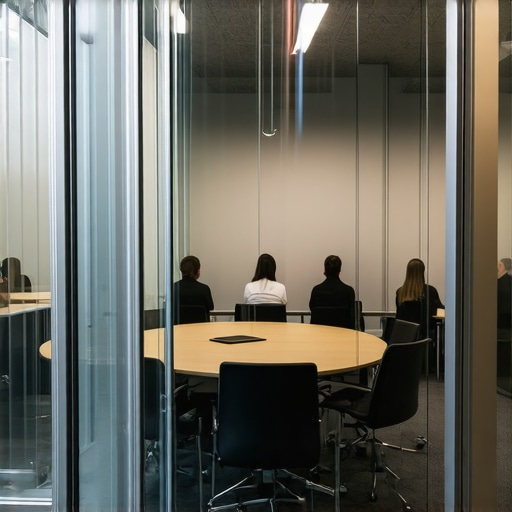 Have you ever fallen into the trap of picking a room based on the ‘cool’ factor rather than the actual utility? Let me know in the comments. The ‘vibe’ trap often leads to a total failure in digital hygiene. I once saw a founder accidentally project their personal Slack messages—including some spicy comments about their lead developer—onto a 70-inch screen because they didn’t understand the room’s ‘smart’ mirroring system. This is why why endpoint protection services matter more when your team is hybrid isn’t just an IT checkbox; it’s a survival mechanism. Don’t be the person who loses their intellectual property or their team’s trust because they used a public USB charging port in a fancy lobby without thinking. It’s a mistake that looks great on Instagram but feels terrible when you’re explaining why investors prefer meeting in professional settings rather than a chaotic open lounge. Your space should work as hard as you do.
Build Your Own Reliable Tech Kit
I’ve learned that depending on a coworking space’s ‘state-of-the-art’ equipment is a gamble I’m no longer willing to take. I carry what I call my ‘Black Box’—a ruggedized organizer containing every adapter known to man, a dedicated directional microphone, and a 15-foot Cat6 Ethernet cable. Why the cable? Because even when the Wi-Fi is great, why founders are trading square feet for better network access often comes down to stability, not just speed. I use the Logi Dock as my central hub because it simplifies the cable mess and gives me physical mute and video buttons. When you’re in a high-pressure pitch, being able to tap a physical button to mute rather than fumbling for a mouse cursor is a massive psychological win. This is how you start how to maximize productivity in your startups conference rooms by 0245 pm without the usual mid-afternoon tech fatigue.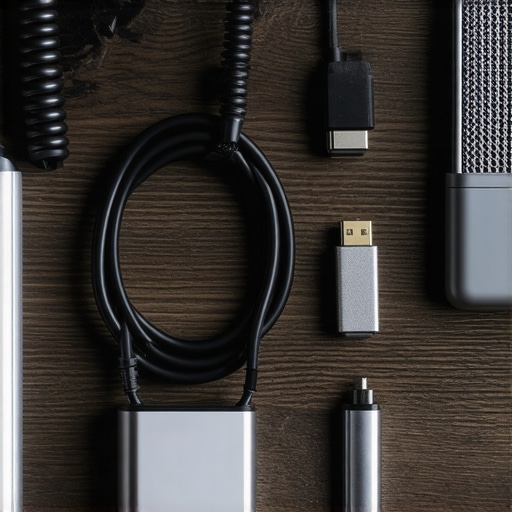
How do I maintain my workspace standards as my team grows?
The hardest part of scaling isn’t the first five employees; it’s keeping the quality consistent when you hit twenty. I’ve found that how we scaled our team using day passes only worked for a while, but eventually, you need a ‘tech manifest.’ This is a simple document that lists exactly how every meeting room should be reset after a session. If the previous team leaves the HDMI cable coiled and the whiteboards clean, the next team doesn’t lose fifteen minutes of ‘deep flow’ time. According to the Gartner 2024 Future of Work Report, businesses that implement standardized ‘plug-and-play’ hardware across all satellite locations see a 30% reduction in shadow IT costs. It’s about creating a frictionless environment where the walls and wires fade into the background so the ideas can take center stage.
Why Physical Ethernet Still Beats the Best Wi-Fi 7
We are entering an era of Wi-Fi 7, but I still swear by a physical connection for anything involving a board of directors or a live demo. I’ve seen too many ‘innovative’ setups fail because of simple signal interference from a microwave in the breakroom. When you how to choose an office that supports your scaling speed, look for the floor ports, not just the ceiling routers. If you can’t plug in, you aren’t in total control. This level of detail is exactly startup success secrets choosing the perfect conference room at 0817 am—it’s the stuff people only notice when it goes wrong. If you want to how to stop your team from hating hybrid meetings, give them the gift of a lag-free connection.
The Future of Spaces is Outcome-Based
Looking ahead, I see the future of conference rooms in startup ecosystems shifting away from ‘cool furniture’ toward integrated AI diagnostics. We’re already seeing rooms that can auto-adjust lighting based on the participants’ skin tones for better video clarity and microphones that use spatial audio to track who is speaking in a transcript. This isn’t just sci-fi; it’s the next logical step in creative coworking transforming meeting rooms into collaboration hubs at 0455 pm. The goal is to spend zero percent of your brainpower on the room and one hundred percent on the problem you’re solving. My advanced tip for you this week: Go buy a high-quality 15-foot Ethernet cable and a Thunderbolt-to-Ethernet adapter. Keep them in your bag for your next ‘high-stakes’ meeting and watch how much your ‘connection anxiety’ disappears the moment you click that cable into the wall.
The Hardest Lesson I Learned About Shared Space Security
After years of bouncing between different hubs, I’ve realized that the biggest risk isn’t a bad product, but a bad environment that muffles your voice. One thing I’ve learned is that privacy is a luxury you have to fight for. I used to think an open floor plan was great for networking until I realized my competition could hear every word of our pivot strategy. This is exactly why your startup needs a real door, not just a glass wall when you are discussing sensitive growth metrics. Another hard truth? Most founders spend too much time on their slides and zero time on the acoustics. If your voice is echoing in a cavernous room, you sound small. I always look for spaces that have soft surfaces or acoustic panels to ensure my message carries weight.
#IMAGE_PLACE_HOLDER_E#
My Essential Toolkit for Seamless Presentations
I’ve built a ‘go-bag’ that has saved my reputation more times than I can count. First, I always have a dedicated Ethernet-to-USB-C adapter. Wireless is for coffee chats; wires are for closing rounds. I also trust the Logi Dock for its tactile controls, allowing me to manage my audio without clicking around like a novice. If you want to know how to choose the perfect conference room for business success, look for a space that already has a high-quality display and reliable cabling integrated into the table. I also suggest checking out the coworking spaces unlock innovation top meeting rooms of 2025 at 1123 am rankings to see which venues are actually investing in tech infrastructure rather than just expensive beanbag chairs.
Take Control of Your Next Big Moment
Your physical presence is the anchor for your digital dreams. When you step into a professional setting, your mindset shifts from ‘surviving’ to ‘leading.’ I’ve seen how why investors prefer meeting in professional settings—it’s because it signals that you take your business seriously enough to control the variables. This is one of the most important startup success secrets choosing the perfect conference room at 0817 am: the room doesn’t just hold your team; it holds your authority. Don’t be afraid to demand better from your coworking provider. You are paying for a launchpad, not just a desk. Have you ever had a pitch ruined by a room that just didn’t work for you? Let me know in the comments below!