

I’ll never forget the time I walked into a coworking space that smelled like expensive mahogany and success. I was so dazzled by the ‘free’ kombucha on tap and the mid-century modern furniture that I ignored the fact that every single meeting room was occupied by people shouting over glass walls. I signed that lease on the spot, thinking I’d finally ‘made it’ as a founder. Three weeks later, I was back at my dining table because that ‘professional’ environment was actually a loud, dysfunctional mess. [IMAGE_PLACEHOLDER] It was a classic case of falling for the flash and ignoring the fundamental flaws. Today, I want to save you from that same headache. We’re going to peel back the curtain on those shiny tours and look for the subtle rot beneath the floorboards. I’ve narrowed down seven critical warning signs that most people overlook when they’re distracted by the free beer and ping-pong tables.
Why your gut feeling usually beats the brochure
When you’re hunting for a new home for your startup, it’s easy to get swept up in the aesthetic. You want to see your team in a place that looks like a billion-dollar company. But trust me, ditching corporate cubicles for community only works if the community actually functions. I once made the mistake of picking a space solely because it had a roof deck. Guess what? We used it twice in a year, while our developers were constantly complaining about the lack of quiet zones to reach deep flow. It’s about more than just square footage; it’s about whether the space supports your actual work habits or just your ego. I learned the hard way that a fancy espresso machine can’t fix a floor plan that discourages deep work and focus.
Does a premium address really help your bottom line?
There’s a common fear that if you don’t have a flashy office, investors won’t take you seriously. I used to believe that too. I thought if we weren’t in the tallest building in the city, we weren’t a ‘real’ company. But I’ve since learned that investors prefer meeting in professional settings that show you’re fiscally responsible, not just good at picking out expensive wallpaper. In fact, many VCs look for teams that prioritize operational efficiency over vanity perks. According to a study by the Harvard Business Review, the physical environment significantly impacts employee burnout rates, proving that the wrong ‘vibe’ can actually cost you your best talent long before your product even ships.
The silent killer of productivity you’ll miss on a tour
If you walk into a space at 10 AM on a Tuesday and it’s pin-drop silent, that’s one thing. But if you see people wearing noise-canceling headphones like they’re underwater, you’ve got a noise problem. I’ve seen so many founders get stuck in workspaces that feel like tech prisons because they didn’t test the acoustics during the tour. During my first big move, I failed to check how much sound traveled between the glass partitions. We ended up hearing every single HR conversation from the neighboring company. Have you ever felt like you were paying for a ‘collaborative’ space that actually felt like a loud library? Let me know in the comments, because I feel like I’m the only one who’s been burned by this! Before you sign anything, you have to spot a predatory lease disguised as a friendly agreement. It’s better to be the person asking the awkward questions now than the person trying to break a contract six months later.
Stop trusting the speed test on the flyer
Most coworking sales reps will point to a glossy brochure that promises gigabit internet. Don’t believe it until you see it in action. I once walked into a high-end space in downtown Seattle that boasted ‘fiber speeds,’ but as soon as the clock hit 2:00 PM and everyone jumped on their afternoon Zoom calls, the bandwidth evaporated. I ended up tethering to my phone just to send an email. Before you sign, you need to how to test the wi-fi speed before you book that venue by running a test during peak hours, not the quiet morning tour. If the ping is spiking while the lounge is half-empty, run the other way. You aren’t just paying for a desk; you’re paying for the ability to actually ship code and close deals without a spinning loading icon mocking you. 
The glass wall trap and how to escape it
Aesthetics often come at the cost of your sanity. Modern coworking spaces love the look of floor-to-ceiling glass, but they are often acoustic nightmares. I remember prepping for a series of investor pitches where I could hear the guy in the next room crunching on potato chips. It’s impossible to how to prep for a high-stakes board meeting when you feel like you’re sharing a desk with a stranger. Take a heavy book or a laptop with you on the tour. Close the door of a private office and have a friend stand outside and talk at a normal volume. If you can hear their conversation, so can your neighbors when you’re discussing your burn rate or hiring plans. You have to how to handle the noise problem in open plan offices before it handles your productivity.
Why the booking calendar is the most important document
One of the biggest lies in the flex-office world is the ‘unlimited’ conference room access. In my second startup, we moved into a beautiful hub only to find out that the three meeting rooms were booked solid by a 20-person legal firm that lived there. We were forced to host client workshops in a noisy kitchen area. It was embarrassing. Before committing, ask to see the actual booking logs for the last two weeks. If the rooms are always grayed out, you’re going to be stop overpaying for square footage you never use because you’ll be spending half your time hunting for a quiet corner. A space that lacks a fair credit system or has a ‘first come, first served’ policy without limits is a recipe for internal team friction.
Look for the hidden friction in the layout
Think of your office layout like a circuit board. If the path from your desk to the coffee machine or the restroom forces you to walk through a ‘collision zone’ where people are constantly chatting, you will never get back into deep work. I spent four months in a space where my desk was right next to the main entrance. Every time the door clicked, I looked up. It’s a biological reflex that kills your flow. Pay attention to why your meeting room layout is killing participation and whether the common areas are strategically separated from the focus zones. If the ping-pong table is within earshot of the dedicated desks, that’s not a perk—it’s a design flaw that will eventually lead to team burnout.The common wisdom suggests that more perks equal a better company culture. I’m here to tell you that’s a total myth. Most founders fall for the ‘all-inclusive’ promise, but in my experience, why the all-inclusive membership is usually a trap because you end up subsidizing expensive coffee for companies that don’t actually do any work. It’s a massive ‘oops’ factor that hits your runway harder than you’d think. Let’s dig deeper into the nuances of these professional hubs. Have you ever fallen into this trap? Let me know in the comments. When it comes to booking conference rooms, the biggest mistake is assuming technology is plug-and-play. I’ve seen million-dollar deals fall apart because of how to deal with technical glitches during a remote board call that shouldn’t have happened in a so-called ‘premium’ space. You need to how to vet a conference room for client-facing speed by checking for dedicated ethernet ports and hardware redundancy, not just the strength of the guest Wi-Fi signal. According to a study in the Journal of Corporate Real Estate, over 50% of workers in flexible offices report that acoustic privacy is their biggest pain point, highlighting that ‘vibe’ often masks major functional failures. 
Why does your team feel disconnected on Mondays?
It sounds counterintuitive, but why your hybrid team feels disconnected on Mondays often stems from the lack of a permanent ‘home base’ in a hot-desking environment. If your team is constantly hunting for a spot, you’re losing the chance for those the hidden value of the casual coffee machine chat that builds real rapport. This is the hidden cost of the flex-desk movement. Stop letting ‘cool’ aesthetics ruin your professional reputation. If you don’t have the exact lighting setup for professional video pitches, you look like an amateur regardless of how many mid-century modern chairs are in the lobby. You have to understand the truth about those ultra-cheap office memberships: they usually lack the infrastructure required for high-stakes growth.
Don’t ignore the technical debt hiding in the walls
Most people ignore the actual layout of the meeting rooms, but why your meeting room layout is killing participation is a very real phenomenon. A circular table isn’t just for show; it fundamentally changes the power dynamics of a pitch. If you’re looking to how to maximize productivity in your startups conference rooms by 0245 pm, you need to look past the fancy wallpaper and look at the airflow and screen placement. It’s better to pay for a reliable, functional box than a flashy aquarium where everyone can watch your team struggle with the dongles.I don’t trust the pre-installed gear in most hubs, no matter how much they charge for ‘premium’ access. Even the top-tier suites usually have budget webcams that make you look like you’re pitching from a 2005-era basement. I carry a dedicated ‘comm-kit’ everywhere—a Shure MV7 microphone and a portable LED panel. Why? Because you need the exact lighting setup for professional video pitches if you’re asking for seven figures over a Zoom call. I’ve learned that the internal Wi-Fi signal is only half the battle; you need to know why founders are trading square feet for better network access because a crowded node will kill your throughput regardless of the provider’s advertised speed. According to the IEEE 802.11ax standard documentation, the capacity for high-density environments like coworking hubs depends more on ‘Spatial Reuse’ (BSS Coloring) than raw gigabit speeds. If your space isn’t optimized for Wi-Fi 6 or higher, you’re essentially fighting a losing battle for bandwidth every time the lounge fills up. 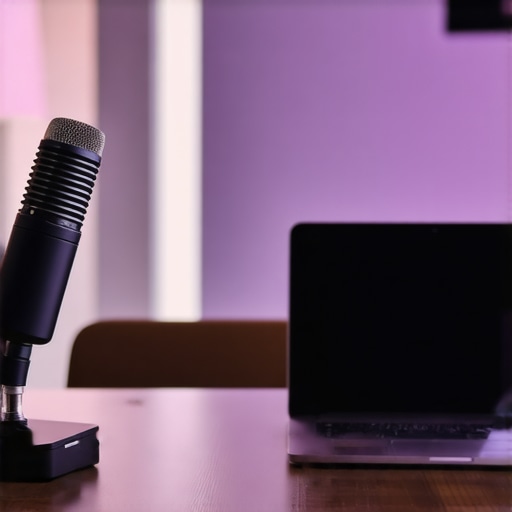
How do I keep the setup efficient month after month?
Maintaining a workspace is about more than just keeping the desks clean; it’s about auditing your digital footprint regularly. I’ve seen countless teams ignore their security protocols because they felt ‘safe’ within a gated community, but you must remember why endpoint protection services matter more when your team is hybrid. Every quarter, I sit down and review our actual usage. Are we actually using the dedicated suite, or should we look at how we scaled our team using day passes only to save on runway during a pivot? Scaling is a delicate art. You need to know how to choose an office that supports your scaling speed, or you’ll find yourself locked into a 20-desk lease when you only have five employees who actually show up. It’s a transition that requires the move from a garage to a professional hub a survival guide mindset to avoid the overhead trap.
Why AI will soon manage your office bookings better than you
The trend is moving rapidly toward the ‘autonomous office.’ In the next three years, I expect the future of conference rooms in startup ecosystems to involve AI agents that automatically book rooms based on your Slack activity or calendar priority. We are already seeing the death of the manual log-in sheet in favor of biometric sensors. If you want to stay ahead, start using tools that help you how to stop your team from hating hybrid meetings right now, such as AI-powered meeting summaries and spatial audio. My big tip for today? Go into your network settings and check your packet loss during a busy Tuesday afternoon. If it’s over 1%, it’s time to talk to your community manager about how to deal with technical glitches during a remote board call before it costs you a major deal.
Lessons from the Founder Who Signed Three Bad Leases
Reflecting on my journey, the biggest shift was moving from valuing aesthetics to prioritizing utility. I realized that why physical presence still matters for early-stage funding isn’t about having a gold-plated lobby, but about the energy your team generates when they aren’t fighting their environment. After burning through thousands of dollars on ‘cool’ spaces, here is what I now know for certain:
- Trust the human, not the hardware: A community manager who cares will save you more time than a gigabit connection. Why your startup needs a community manager more than a lobby became clear to me the day our server crashed and the manager was the only one with the backup key.
- Hunt for the ‘dead zones’: Before you sign, find the quietest corner. The secret to finding quiet corners for high-stakes sales calls is what separates a professional operation from a hobbyist one.
- Privacy is an asset, not a luxury: Why your startup needs a real door not just a glass wall is something you only realize when a competitor moves in next door.
The Gear That Saved My Sanity in Shared Hubs
To avoid the technical debt I mentioned earlier, I keep a lean ‘office-in-a-bag’ that makes any desk feel like headquarters. [IMAGE_PLACEHOLDER] My go-to setup includes the Shure MV7 for crisp audio and a portable LED panel for Zoom calls. I also recommend checking out how to choose the perfect conference room for business success checklists before any major client demo. I swear by ‘The Lean Startup’ for keeping my overhead in check, and I use digital speed tests religiously. If you’re struggling with focus, remember that the truth about noise-canceling headphones in shared spaces is that they are a temporary fix for a permanent design problem.
Build Your Future from the Right Foundation
Taking your company from a garage to a professional hub is an emotional milestone. It’s okay to be excited, but stay grounded in your team’s actual needs. Choosing the right conference room or dedicated desk isn’t just a line item; it’s a commitment to your team’s mental health. Whether you are looking for innovative meeting rooms that boost startup creativity or just a reliable spot to grind, the best space is the one that lets you forget where you are and focus entirely on what you’re building. Your workspace should be the wind at your back, not an anchor holding you down. What’s one office ‘perk’ you’ve found to be totally useless in reality? Let me know your workspace horror stories in the comments below!