

I remember sitting in a vibrant innovation hub three years ago, sweating through my shirt. I was pitching a crucial seed round over Zoom, and just as I hit my stride, the communal espresso machine decided to undergo a self-cleaning cycle that sounded like a jet engine taking off. It was humiliating. I had bought into the dream of the buzzing startup atmosphere, but in that moment, the buzz was literally killing my business. That day, I realized I’d made a massive mistake in how I vetted my workspace. We often talk about the perks, the community, and the free beer, but we rarely talk about the decibel levels that can make or break your focus. [image_placeholder]
Why the Buzz of a Startup Isn’t Always Your Friend
Most of us make the move from a quiet home office or a garage because we want that energy. But let’s be real: energy doesn’t pay the bills if you can’t hear your clients. I used to think how to handle the noise problem in open plan offices was just a matter of buying better gear. I spent a fortune on noise-canceling headphones only to find out they don’t block out the person three desks away shouting about their weekend. I made the classic rookie mistake of signing a six-month lease after only visiting the space on a quiet Tuesday morning when everyone was out for lunch. By the following Monday, I was drowning in a sea of speakerphone calls and high-fives. According to a study by the Journal of Corporate Real Estate, ambient noise in open offices can actually reduce cognitive performance by up to 66%. That’s not just an annoyance; it’s a direct hit to your productivity and your bottom line.
Is a shared workspace actually worth the headache?
You might be wondering if it’s even possible to get deep work done without a private office. I’ve seen developers struggle the most—quiet zones for deep flow are often a myth in cheaper spaces. I’ve had my fair share of awkward moments dealing with that one guy who talks too loud in the lounge, and honestly, I nearly quit coworking altogether. The constant distraction felt like a tax on my brain. But today, I want to show you how to look past the aesthetic furniture and find a space that actually respects your ears. We’re going to solve the noise vs. networking dilemma once and for all. Have you ever had a high-stakes call ruined by a nearby conversation? Let me know—I’m curious if I’m the only one who has lived through that nightmare.
Scout the Scene Before You Sign the Check
I once spent three hours sitting in a common area with a decibel meter app on my phone before I even asked for a membership contract. It felt overkill until I realized the space shared a wall with a CrossFit gym. Every forty minutes, the building literally shook with the sound of dropped weights. If I hadn’t performed that ‘stress test,’ I would have been stuck in a three-month lease that made focused work impossible. You have to treat your tour like a technical audit. Don’t just look at the brand of the espresso machine; look at the thickness of the meeting room glass and the way sound travels across the floor.
Visit during the chaos of Tuesday morning
Never sign a lease based on a Friday afternoon tour. Fridays are usually ghost towns in the startup world. To see the real face of a workspace, walk in at 10:30 AM on a Tuesday or Wednesday. This is when you’ll see the true density of the space and if how to keep your focus when the coworking hub is packed is even a physical possibility. I’ve seen beautiful offices turn into high-school cafeterias during peak hours because the layout didn’t account for acoustic absorption. During these peak hours, check if there’s a designated area for ‘quiet work.’ You need to know why developers need quiet zones to reach deep flow—if those zones don’t have physical barriers, they aren’t zones; they’re just suggestions.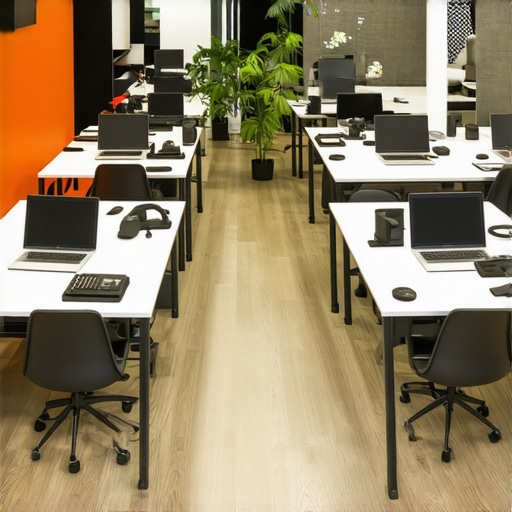
Test the private booths for more than two minutes
Most people peek into a phone booth and think, ‘Yeah, that’ll work.’ I suggest you actually step inside, close the door, and have a friend yell from the outside. If you can hear their conversation word-for-word, your clients will too. This is non-negotiable because why your sales calls need a private phone booth isn’t just about privacy; it’s about perceived professionalism. If you’re pitching a high-ticket service, you can’t have the muffled sound of a ping-pong game in the background. It signals to the client that you aren’t established yet.
Look for Solid Walls Instead of Aesthetic Glass
There is a trend in modern design that favors glass everywhere. While it looks great on Instagram, glass is an acoustic nightmare—it reflects sound and offers zero visual privacy for sensitive data. I eventually learned why your startup needs a real door not just a glass wall the hard way when a competitor’s intern spent twenty minutes staring at my whiteboard through a glass partition. Beyond the visual, look at the ceiling. If the walls don’t go all the way to the ‘true’ ceiling and stop at a drop-ceiling, the sound will just travel over the top and into the next room.
Verify the tech stack doesn’t crash under pressure
Your Wi-Fi speed at 8 AM doesn’t matter. You need to know how to test the wi-fi speed before you book that venue when everyone else is also on a video call. Ask the community manager about their bandwidth and what to do when the office wi-fi goes down mid-pitch. I once lost a major contract because the router in a ‘premium’ hub decided to reboot during my closing statement. Now, I always check for hardwired ethernet ports in the conference rooms. Even if you don’t use them daily, having that anchor for high-stakes calls is the difference between a pro and an amateur.Now, let’s dig deeper into the nuances that most founders ignore until it’s too late. Everyone tells you that a startup needs a certain ‘vibe’—a mix of exposed brick and cold brew on tap—but I’ve learned that a ‘vibe’ is often just a smoke screen for poor operational infrastructure. We need to talk about the ‘all-inclusive’ lie. I’ve seen teams get seduced by fancy amenities, but you have to ask yourself: does your office actually need a pool table? Probably not. What you need is functional silence and available square footage. In my experience, why the all-inclusive membership is usually a trap is because you’re paying for fifteen things you don’t use, while the one thing you do need—a quiet conference room—is perpetually booked by a crypto-trading group.
Why your meeting room layout is killing participation
It’s not just about getting a room; it’s about what happens once you’re inside. Most people assume any four walls and a table will do for a strategy session. However, the physical geometry of your space dictates the hierarchy of the conversation. According to a study published in the Journal of Environmental Psychology, physical environments significantly influence group dynamics and decision-making quality. If you’re sitting at a long, rectangular table, you’re accidentally creating a power dynamic that stifles junior voices. In fact, why your meeting room layout is killing participation is one of the most overlooked aspects of office design. This is why I started looking for the hidden psychology of circular meeting tables. A round setup encourages a level playing field, which is essential when you need honest feedback during a pivot. 
Stop falling for the ‘glass box’ aesthetic
Another trap is the obsession with glass. We think it looks modern and transparent, but why your startup needs a real door not just a glass wall comes down to more than just sound; it’s about psychological safety. If your team feels like they are on display in a fishbowl, they won’t take the creative risks necessary for a breakthrough. Furthermore, check the booking system. I once worked at a hub where you had to email a manager three days in advance to get a room. In a fast-moving startup, that’s a death sentence. You should be looking for a space where you can learn how to book a meeting room in under sixty seconds. Efficiency in these little things reflects your overall why your startup needs a better first impression.
Don’t mistake a loud lounge for a real community
I’ve also seen founders fall for the ‘community’ trap. They think a busy lounge means more networking, but how to spot a bad coworking community before joining is usually as simple as watching how people interact. If it’s just loud music and people ignoring each other, it’s not a community; it’s a distraction. Real value comes from the hidden benefits of a diverse desk neighbor who actually knows your name. When you’re weighing your options, remember that the logic of choosing a flex office over a 5-year lease isn’t just about saving money—it’s about the agility to find a space that actually scales with your technical needs. Have you ever fallen into this trap? Let me know in the comments.If you want to move beyond the ‘scrappy startup’ phase, you have to stop acting like your technical setup is an afterthought. I’ve seen too many founders walk into a high-stakes session and fumble because they didn’t know how to prep for a high-stakes board meeting properly. My personal secret weapon? I carry a dedicated Jabra boundary microphone in my bag. Why? Because the built-in mics on even the most expensive laptops pick up every coffee grinder and distant sneeze in a shared space. By placing a professional device in the center of the table, you create a bubble of clear sound that tells everyone on the other end of the call that you are in control. It’s about how to handle a server crash from a temporary desk or a client pitch without losing your cool. 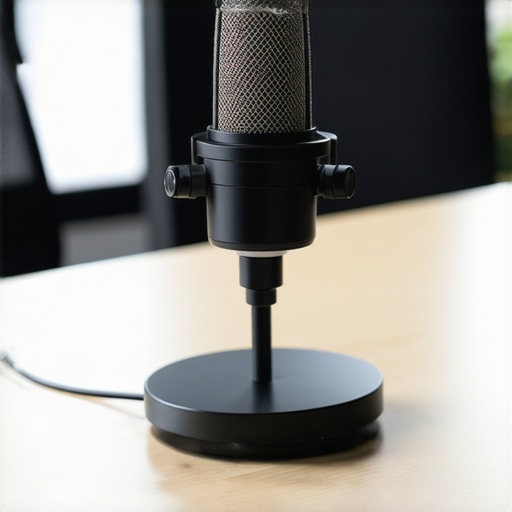 Beyond gear, the logistics of scaling are where most of us trip up. As my team grew, I realized that how to manage office politics when you share a floor with other startups was just as important as the code we were writing. You need a system. I eventually moved to a ‘hub and spoke’ model, using a central professional suite for the heavy lifting and individual day passes for the rest. This is the logic of choosing a flex office over a 5-year lease in action; it’s not about being cheap, it’s about being surgical with your resources. According to the 2023 Steelcase ‘Global Report on Hybrid Work,’ 62% of high-performing employees now prioritize ‘privacy-shielded’ workstations over traditional open-plan layouts. This is why I always prioritize why your investor pitch needs a neutral meeting room that isn’t just a glass box. Looking forward, I predict we’re going to see ‘Smart Acoustic Zones’ powered by localized AI that can actively cancel out environmental noise in real-time across an entire floor—making the exact way to ask for a quiet room without being rude a thing of the past.
How can I maintain professional standards as my team grows?
It comes down to documentation and habits. We created a ‘Workspace Manifesto’ that includes the etiquette of taking a private call in the common area and exactly how to choose an office that supports your scaling speed. If you don’t set these rules early, your culture will be dictated by the loudest person in the room. I challenge you to do a ‘tech audit’ of your next meeting room booking. Don’t just check the Wi-Fi; check the microphone input levels and the physical seat comfort for a 90-minute session. It sounds tedious, but it’s the difference between a deal signed and a deal lost.
The Silent Killers of Startup Productivity I Only Noticed Too Late
Looking back at my transition from a home office, I realized my biggest mistake wasn’t just picking the wrong chair; it was underestimating the real cost of working from your dining table or a poorly vetted hub. I spent way too much time in spaces that looked like art galleries but functioned like bus stations. You have to learn how to tell if a coworking space is just a glorified library before you commit your team to a long-term membership. The most profound shift for me happened when I realized why a neutral meeting space leads to more honest feedback—it’s not just theory; it’s about removing the ego and environmental distractions so the best ideas can actually survive the session. Don’t be seduced by the neon signs and free kombucha; look for the silence and the infrastructure that lets your team actually build the future.
[image_placeholder]
My Field-Tested Toolkit for High-Stakes Meetings
I never walk into a new venue without my ‘workspace survival kit’ anymore. This includes a 10-foot ethernet cable for when the Wi-Fi gets shaky, a portable ring light to fix the exact lighting setup for professional video pitches, and a dedicated boundary mic to cancel out distant office chatter. I also highly recommend bookmarking a guide on how to vet a conference room for client-facing speed so you have a technical checklist ready before every major investor call. Trusting your gut is fine for choosing where to get lunch, but for your business, you need to trust the data you gather during those peak-hour Tuesday tours.
Take Back Your Deep Work and Build Your Empire
Your workspace is more than just a place to park your laptop; it is the physical manifestation of your company’s culture and its respect for deep work. As you look for your next home base, remember these startup success secrets choosing the perfect conference room at 0817 am: prioritize function over fashion, silence over snacks, and reliability over everything else. You have the vision—now give it the quiet, professional environment it deserves to truly scale without the noise. Have you ever had a brilliant idea get drowned out by a nearby office ping-pong game? Let me know in the comments below.