
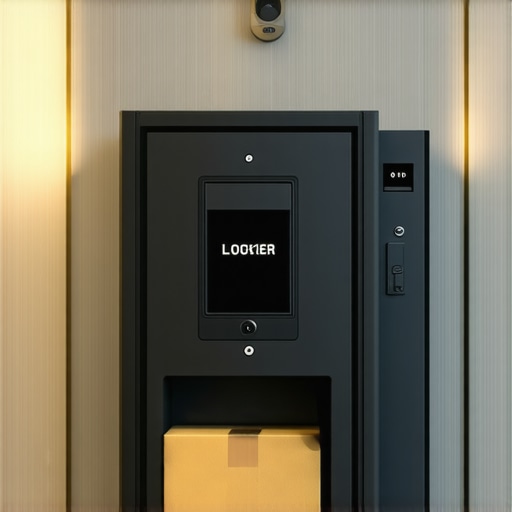
I’ll never forget the cold Tuesday morning when I realized my ‘unprofessional’ setup was costing me more than just pride; it was costing me productivity. I was hidden away in the back of our small suite, lost in deep work, when the delivery driver for our most important prototype knocked once and vanished. By the time I reached the door, I saw the tail lights of his truck fading into traffic. That missed box delayed our launch by a week. It’s the classic startup trap: you’re big enough to need equipment, but still too lean to justify a $45,000-a-year receptionist just to sign for boxes. Handling deliveries when you’re a ghost ship of an office is a logistical nightmare that nobody warns you about when you’re considering the logistics of moving your startup to a professional space. Today, I am going to share how I stopped the ‘missed delivery’ madness and finally secured our supply chain without breaking the bank.
Stop Running to the Door Every Time You Hear a Truck
In my early days, I made some pretty embarrassing errors when choosing a business mailing address. I even tried having things sent to a local café, thinking I was being clever, until the owner told me I wasn’t allowed to use his counter as my personal mailroom. It’s a common hurdle during the move from garage to office. You need a physical anchor for your remote team, but you aren’t always there to anchor it yourself. According to research from CNBC, nearly 36% of Americans have dealt with package theft, and in a business context, that loss isn’t just the cost of the item—it is the catastrophic downtime that follows. We need solutions that work while we are actually doing the work we love. Have you ever lost a client or a deadline because of a missing delivery? I’d love to hear your horror stories.
Can you actually trust a lockbox for high-value gear?
One of the biggest fears I had was that without a human eye on the door, my expensive tech would just walk away. It’s the same skepticism people have when they try to tell if a coworking membership is worth the price. But the truth is, modern tech and smart logistical partnerships often outperform a distracted human sitting at a desk. By the end of this guide, you will have a clear blueprint for automated receiving that keeps your focus where it belongs: on growing your business.
Delegate Your Front Desk to a Professional Team
To fix the delivery disaster, I had to stop acting like a courier and start acting like a CEO. The most efficient way to do this is by leveraging a shared office’s infrastructure. Think of a coworking space not just as a desk, but as an external hard drive for your company’s physical presence. When you choose the right partner, they provide a staffed reception that acts as your buffer. This is exactly why your startup needs a physical anchor for its remote team. Instead of a box sitting on a rainy curb, it’s signed for by a real person and tucked into a secure locker before you even get the notification on your phone. I remember the first time I tested this with a $2,500 server. I was sweating bullets, expecting to find the box ripped open in a hallway. Instead, I walked into the lounge, the community manager greeted me by name, and handed me a key to a private locker. The relief was worth every penny of the membership.
Put Your Name on a Real Building
Your business needs to exist in the physical world even if your work happens in the cloud. Using a residential address or a P.O. Box screams ‘amateur’ to vendors and investors. By securing a spot in a flex space, you gain a high-profile address that builds instant credibility. This is the logic of choosing a flex office over a 5-year lease: you get the prestige of a downtown high-rise without the soul-crushing overhead of a long-term commercial contract. 
Scale Your Access as the Team Grows
You don’t need a 20-person suite on day one. I started with a basic mail-handling tier and only upgraded when my team actually needed to meet in person. It is vital to how to pick a membership tier that scales with your team so you aren’t paying for air you don’t breathe. When we finally hired our third engineer, we didn’t have to find a new office; we just tweaked our plan to include 24/7 access. This flexibility ensures that your ‘receiving department’ (the front desk) stays constant, even as your headcount fluctuates.
Turn Your Receiving Area into a Demo Zone
Once the package arrives, the journey isn’t over. If you’re receiving prototypes or hardware, you need a professional space to unbox and test them. I used to do this on my kitchen table, which was fine until I had to show a working model to a potential partner. Trying to how to host a product demo that looks professional on a budget is much easier when you can move from the mailroom straight into a high-tech conference room. In one instance, a delivery arrived at 10 AM, and by 2 PM, I was unboxing it in a private room for an angel investor. The professional backdrop made the prototype look like a finished product, not just a weekend project.Let’s dig deeper into what actually happens once you’re through the door. Everyone tells you that the “vibe” is the most important part of a startup hub, but that is a dangerous myth. In my experience, the flashiest spaces often have the worst utility. I’ve seen founders choose a space because of the aesthetic, only to realize the true cost of free coffee in popular coworking hubs isn’t just the membership fee—it’s the constant distraction that eats your billable hours. High-end espresso doesn’t make up for a lack of soundproof zones when you’re trying to close a seed round.
The Open Office Trap That Most Startups Ignore
The biggest “oops” I see is startups treating the communal lounge as their primary workspace. While the energy is great for networking, it’s a productivity killer for deep work. A landmark study by Harvard researchers Ethan Bernstein and Stephen Turban revealed that open-plan offices actually decrease face-to-face interaction by 70%, as employees use headphones to “socially shield” themselves. This is exactly why we swapped Slack for physical brainstorming sessions in closed-door environments instead. If you aren’t utilizing the private breakout rooms, you’re paying for a very expensive social club, not a business engine.
Is your open-plan layout actually killing your team’s focus?
It likely is if you haven’t established a “zone” culture. The hidden nuance of professional spaces is the distinction between a “meeting room” and a “war room.” I once made the mistake of hosting a high-stakes pivot strategy session in a glass-walled room where everyone in the lobby could see my messy whiteboard. I quickly learned the difference between a standard meeting room and a real war room—privacy, dedicated hardware, and specialized tools matter more than the view.  Also, don’t ignore the technical “traps.” I once booked a gorgeous boardroom for a major client pitch, only to find the echo was so bad my client couldn’t hear me over the speakerphone. Now, I always check for the acoustic fix for echoey conference rooms before I book a high-stakes meeting. Have you ever fallen into this trap? Let me know in the comments. Secure your professional spot by using the logic of choosing a flex office over a 5-year lease to keep your overhead low while your output stays high.To keep the engine running, I had to stop treating the office like a place I just ‘showed up’ to and started treating it like a high-performance tool. I’ve realized that even the best coworking setup will fail you if you don’t bring your own tactical gear to the table. For me, that meant investing in a dedicated mobile kit for every conference room booking. I learned the hard way that why your conference room needs better technology and fewer cables isn’t just about aesthetics; it is about eliminating the ten-minute ‘tech struggle’ that kills the momentum of every meeting. I now carry a Jabra Speak 510 in my bag because most built-in room mics are trash, and I never start a pitch without my own ring light—because you should stop letting bad lighting ruin your video calls if you want to be taken seriously by VCs.
The Gear That Saved My Sanity During Hybrid Sprints
Beyond the hardware, the real secret is the software-to-physical-space handshake. I use an app called Forest to gamify my deep-work blocks, but the physical environment is what makes it stick. When I need to go ‘monk mode,’ I utilize the quiet zones in the hub. If you’re struggling with the noise of a shared kitchen, you have to master the etiquette of taking a quick call in the lounge so you don’t become the person everyone avoids. I’ve found that how to get the most out of a 24-7-access-membership is actually about showing up when no one else is there—those 6 AM windows are when our biggest breakthroughs happened.
How do I keep my team focused when the office gets loud?
Maintenance isn’t just about cleaning your desk; it is about maintaining your boundaries. According to technical documentation from audio experts at Shure, the ‘3-to-1 Rule’—keeping microphones three times as far from each other as they are from the speaker—is essential for speech intelligibility in shared spaces. I apply this logic to my team’s seating; we don’t bunch up. We spread out to create personal focus bubbles. This is a core part of the role of flex space in a modern business scaling strategy. You need enough ‘room to breathe’ so that your scaling speed doesn’t outpace your team’s mental capacity. 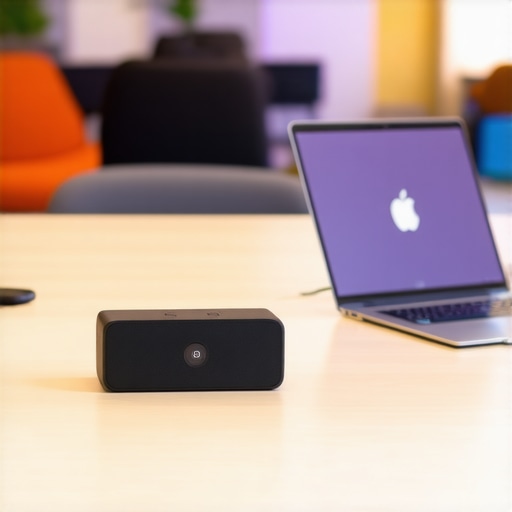
Your Next Office Is Closer to Your Living Room Than You Think
Looking ahead, I predict a massive shift toward the ‘Hub and Spoke’ model. We are moving away from the ‘everyone in the downtown skyscraper’ era and toward a future where why suburban flex spaces are the new downtown office becomes the standard. Startups will keep a small, high-end ‘War Room’ in the city for client demos but allow teams to work from local nodes five minutes from their homes. This is how to choose an office that supports your scaling speed without burning out your best talent on a commute. If you haven’t yet, I highly recommend setting up a ‘Demo Kit’ in your favorite local hub—try bringing your own high-quality 4k webcam to your next session and see how much faster you close the deal when people can actually see your facial expressions in high definition.
The Brutal Truths of Shared Office Survival I Learned the Hard Way
After three years of bouncing between home offices and glass-walled suites, I’ve realized that the small details—like where your mail lands or who answers the door—determine your professional trajectory. One major realization was learning the pros and cons of fixed desks versus hot desking; I found that while hot desking saves money, a fixed desk provides the stability remote teams need to feel grounded. Also, check out the founders guide to not getting distracted in a coworking space because social energy is great until you’re three hours behind on a high-stakes sprint. I wish I had known earlier that the ‘community’ aspect is a powerful tool, but never a mandatory social obligation that should eat your billable hours. #IMAGE_PLACEHOLDER_E#
The Gear and Guides That Keep My Remote Team Connected
To keep my operations lean but effective, I rely on a few non-negotiables that bridge the gap between home and the professional hub. First, I never assume a room is ready for a high-stakes pitch; I always ensure it has more than just a surface to lean on, which is why your meeting room needs to be more than just a table. Second, I recommend carrying a dedicated ‘tech kit’ with a portable Jabra speaker to bypass mediocre built-in audio. Finally, I regularly revisit how to pick an office that fits your startups growth pace to ensure we aren’t overpaying for prestige we haven’t earned yet. These resources have saved me thousands in lost productivity and bad leases.
Build Your Business Where Your Talent Actually Wants to Be
The goal isn’t just to find a room; it’s to build a culture that survives the hybrid world and actually thrives under pressure. I truly believe the future of the office is closer to home than you think. By choosing spaces that value utility and acoustic privacy over simple ‘vibes,’ you give your team the gift of focused time and professional dignity. Your startup deserves a physical home that works as hard as you do, even if you’re just starting to secure your supply chain. What’s the biggest ‘hidden’ cost you’ve discovered while trying to grow your team? Let me know in the comments below.