

It was 3:15 PM on a Tuesday when I realized I’d made a massive tactical error. I was sitting in what I thought was a public lounge, pitching a high-value lead, only to have a founder from another startup tap me on the shoulder and ask if I was ‘almost done with his favorite chair.’ I hadn’t realized that in the world of shared workspaces, the lease is just the beginning; the real power dynamics are never written down in the member handbook. Early in my career, I treated coworking spaces like my private living room, and it cost me valuable social capital. I once even tried to reorganize the community fridge without asking the ‘unspoken’ gatekeepers—a move that earned me side-eye for a month. Today, I want to show you how to master the social hierarchy of a space you don’t legally own, ensuring you can scale your business without making enemies at the coffee machine. Have you ever felt like an outsider in your own rented office because of a weird social vibe?
Why You Need a Strategy for a Space You Don’t Legally Own
Managing the social landscape of a shared office isn’t about being manipulative; it’s about protecting your team’s focus. When you don’t own the walls, your influence comes from your reputation and your ability to spot a toxic coworking vibe in under five minutes before it drags your culture down. I learned the hard way that ignoring the ‘regulars’ is a recipe for friction. If you don’t know the unwritten rules, you’ll eventually find yourself struggling to handle a sensitive HR meeting in a shared space without half the building eavesdropping on your drama. Interestingly, research published by the Harvard Business Review suggests that people who use coworking spaces often report higher levels of ‘thriving’ than those in traditional offices—but only when they feel they have a sense of agency and community belonging. Building that agency starts with mastering the etiquette of sharing a communal kitchen with 50 strangers and knowing when to push back versus when to play nice.
Is It Actually Possible to Influence a Culture You Don’t Control?
You might be skeptical that a mere ‘monthly member’ can have any say in how a building is run. It’s easy to feel like a guest in your own workspace, but that’s exactly why most founders fail to leverage their environment. Influence in these spaces isn’t about the size of your check; it’s about the consistency of your presence and your respect for the shared ecosystem. If you act like you own the place without putting in the social work, you’ll find the best meeting rooms ‘mysteriously’ booked whenever you need them. We are going to look at how to build that subtle authority so the space works for you, rather than you working around the space.
Turn the Community Manager Into Your Secret Weapon
Most founders treat the community manager as a glorified receptionist. This is a tactical blunder. In a shared ecosystem, this person is the gatekeeper of resources, the arbiter of disputes, and the only person who can override a ‘fully booked’ calendar when your lead investor suddenly wants a 4 PM demo. I remember a month in Berlin where I’d consistently bring the front-desk lead a spare coffee or just ask how her day was going. When I accidentally double-booked my own launch event, she moved a corporate workshop to a different floor just to accommodate my mistake. You aren’t just paying for a desk; you are paying for an advocate. If you want to pick an office that fits your startup’s growth pace, start by realizing that the staff knows which offices are opening up before the listings go live. 
Win the Meeting Room Arms Race Every Time
Room booking is where the most friction occurs between startups. To master this, you need to think three moves ahead and treat the booking calendar like a financial ledger. I learned this lesson the hard way during a product launch in 2019. I assumed the ‘War Room’ would be available because it was a Tuesday morning. It wasn’t. A law firm had booked it for three days straight to process paperwork. Because I hadn’t built a rapport with the other long-term tenants, they weren’t willing to swap, and I ended up hosting our demo in a noisy hallway. It looked amateur, and we lost the lead. Never book the ‘cool’ room just for a solo focus session; save your credits for when you actually need to impress. Furthermore, vet a meeting room for acoustic privacy before booking to ensure your competition in the next office doesn’t hear your valuation or your secret sauce.
Stop Being the Person Everyone Hates in the Kitchen
The communal kitchen is a social minefield where reputations go to die. The rule is simple: leave it better than you found it. But beyond cleanliness, use this space for high-leverage, low-friction networking. This is the best ways to network in a shared space without being annoying—ask about their tech stack while the microwave is running, but never pitch your product over a salad. I once saw a founder lose a potential partnership because he tried to close a deal while the other person was clearly just trying to eat their lunch in peace. Respecting the ‘lunch hour’ as a neutral zone builds more social capital than any elevator pitch ever could.
Protect Your Focus Without Alienating Your Neighbors
The ‘open door’ policy of coworking is a myth that kills productivity. You need to establish physical signals for when you are ‘in the zone.’ High-quality headphones are the universal ‘do not disturb’ sign. However, you must also respect the quiet of others. If your team is getting too rowdy, you need to proactively manage noise complaints in a shared workspace before the neighbors complain to management. If your devs are struggling, realize that developers need quiet zones to reach deep flow and that protecting their silence is your job as a leader. When the vibe feels off, don’t wait; recognize that your meeting room needs to be more than just a table—it’s about the psychological safety of the environment you’re operating in.
Most people think a ‘conference room’ is just for talking, but the pros know there’s a massive difference between a standard meeting room and a real war room. One is for status updates; the other is for high-velocity execution. If your space doesn’t offer both, you’re paying for a museum, not a workshop.
Stop Paying for Square Footage You’ll Never Actually Use
Most founders think a massive corner office is a sign of ‘making it.’ In reality, it’s just a massive hole in your burn rate. We’ve all been there: signing a lease for 2,000 square feet because we expect to hire ten people, only to have half the team stay remote. I’ve seen companies thrive in 400 square feet of high-density flex space because they prioritized flow over furniture. In fact, why we stopped paying for square footage we never used is the most common realization for post-Series A founders who finally look at their balance sheet. You don’t need a cathedral; you need a cockpit.
The Invisible Walls That Leak Your Company Secrets
The biggest mistake I see? Trusting glass. Modern coworking spaces love the ‘fishbowl’ aesthetic, but glass is an acoustic nightmare. If you can hear the person next door sneezing, they can hear you discussing your exit strategy. This isn’t just annoying; it’s a security risk. Before you sign anything, perform the acoustics test every conference room should pass. I once sat through a pitch where we could hear the competing startup in the next room literally trashing our product to an angel investor. We learned the truth about shared office noise levels the hard way—don’t let your trade secrets become the community’s afternoon gossip. Furthermore, shared bandwidth can become the hidden drag of slow office wi-fi on your burn rate when forty people in the next room over are all streaming high-def video during your critical demo.
One often overlooked ‘trap’ is the technical infrastructure. It sounds trivial until you’re five minutes into a high-stakes board meeting and your tablet dies. Professional spaces anticipate these friction points. It’s why our private office suites stock extra surface pro chargers for members—it’s the difference between a ‘cool’ space and a functional one. 
How do you keep your remote hires from feeling like outsiders during meetings?
If you have a hybrid team, your conference room is likely failing you. Research published in the Journal of Environmental Psychology suggests that ‘open’ coworking layouts often lead to *less* face-to-face interaction because people wear headphones to cope with the noise. When you do get together, if the audio is echoey, your remote team will tune out within ten minutes. You have to learn how to stop your team from hating hybrid meetings by investing in spatial audio or dedicated huddle rooms. Also, consider the optics of your location; why your next big hire cares about your office location isn’t just about the commute—it’s about the professional status of the environment they’re joining. Have you ever fallen into this trap? Let me know in the comments.
I used to show up to high-stakes meetings with just a laptop and a prayer, assuming the ‘high-tech’ conference room would actually work. It never did. After one too many failed dongles and echo-heavy Zoom calls, I developed what I call the ‘Founder’s Go-Bag.’ If you want to ensure your presence is felt, you need to bring your own environment. I never step into a shared room without a Jabra Speak 750. Why? Because the built-in microphones in most meeting rooms are positioned for aesthetics, not acoustics. By placing my own speaker in the center of the table, my remote team feels like they are actually in the room, which is the first step to how to stop your team from hating hybrid meetings. You also need a dedicated 15-foot HDMI cable. Trusting the frayed cord dangling from a wall unit is a gamble that leads to why a basic warranty wont save your startup from a hardware disaster during a live demo.
How do I keep our workflow from breaking as we scale?
Scaling isn’t just about adding more desks; it’s about maintaining the ‘velocity of communication’ while your team spreads out. When we moved from a four-person table to a twelve-person suite, I noticed our internal updates became sluggish. To fix this, we stopped relying on the communal calendar and built our own ‘glitch-free’ protocol. This included the checklist for a glitch-free product launch event, which we now use for even minor internal milestones. If you are growing fast, you must learn how to pick a membership that scales with your teams size without locking yourself into a rigid floor plan that stifles the very energy that made you successful. 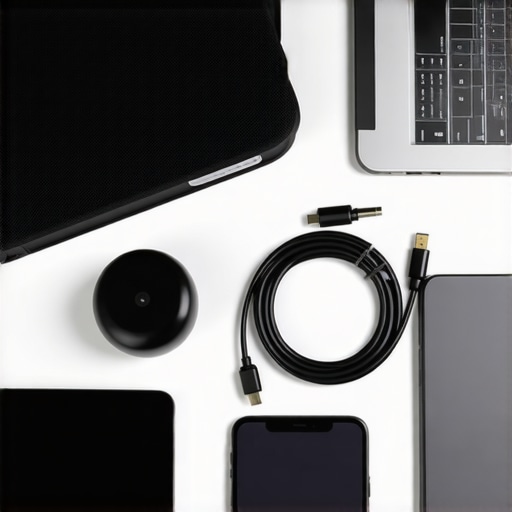
As you transition, the logistics become more complex. I’ve found that the logistics of moving your startup to a professional space 2 are often underestimated. You think it’s just moving boxes, but it’s really about moving the ‘soul’ of your operations. We use a ’15-minute sanity buffer’ for every room booking—we pay for the extra time just to ensure the previous occupants are gone and our tech is calibrated. According to the Steelcase Global Report on Engagement and the Global Workplace, employees who have the ‘ability to choose where they work based on the task at hand’ are significantly more engaged. This is why you should look for innovative meeting rooms that boost startup creativity rather than just four walls and a table.
Looking ahead, I predict a massive shift toward AI-driven spatial optimization in coworking. Soon, your workspace won’t just be a room you book; it will be an ecosystem that adjusts lighting, temperature, and even acoustic masking based on the specific team members entering the room. This is the future of conference rooms in startup ecosystems—spaces that actively help you work, rather than just housing you. To get ahead of this, start treating your current setup as a laboratory. Don’t just settle for what’s provided; unlock networking opportunities in top coworking environments by being the team that has their act together. My challenge to you: buy a dedicated, high-quality HDMI-to-USB-C adapter today and tape your business card to it. It’s the simplest way to prevent a technical meltdown and keep your momentum high.
Hard Truths About Surviving the Shared Office Social Ladder
Reflecting on my years in the trenches of various tech hubs, I’ve realized that the ‘cool’ factor of a space is secondary to its operational flow. One major lightbulb moment was discovering that the quietest person in the lounge is often the one with the most investor connections; never judge a neighbor by their casual hoodie. Also, I learned that the acoustic fix for echoey conference rooms is often as simple as bringing your own soft materials or a dedicated speakerphone. Finally, remember that the secret to networking without feeling like a salesman is to offer value first—whether that’s a lead on a developer or just a fresh pot of coffee.
The Gear and Habits That Actually Move the Needle
To truly learn how to maximize productivity in your startups conference rooms, you need a toolkit that bridges the gap between ‘rented’ and ‘ready.’ I personally swear by my 15-foot gold-plated HDMI cable and a portable acoustic shield for impromptu recordings. For inspiration, I often revisit articles on creative coworking transforming meeting rooms into collaboration hubs to see how other founders are hacking their physical layouts to spark genius. These small adjustments turn a sterile rental into a high-performance engine for your team. #IMAGE_PLACEHOLDER_E#
Take Control of Your Shared Environment Today
Building a company is hard enough without fighting your workspace. By mastering the social nuances and technical quirks of your building, you transform a monthly expense into a strategic asset. Your startup deserves a place where it can breathe, pivot, and ultimately win. Whether you are searching for startup success secrets choosing the perfect conference room or just trying to survive your first week, remember that you set the tone for your culture, not the lease. Let’s make 2025 the year your coworking experience finally clicks into gear through coworking spaces unlock innovation top meeting rooms of 2025 strategies. Have you ever been ‘shushed’ in a shared office, or did you find your best co-founder at the coffee machine? Let me know in the comments!