

My first big mistake as a founder wasn’t a bad hire or a buggy launch; it was signing a six-month lease for a conference room that felt more like a interrogation chamber than a place for innovation. I remember walking into the lobby, dazzled by a mural of a rocket ship and a fridge full of kombucha, thinking I’d finally found ‘the one.’ But within ten minutes of my first real work session, the silence felt heavy, the community manager was snapping at a freelancer, and I realized I’d just moved my team into a high-priced library where joy went to die. I ignored the tension in my gut because the aesthetic was right, and that mistake cost me months of productivity. I want to make sure you don’t do the same. Today, I’m going to show you exactly how to read the energy of a workspace the moment you step off the elevator, so you can avoid the soul-sucking environments that mask their toxicity with mid-century modern furniture. Have you ever felt that immediate sense of dread the moment you walked into a ‘trendy’ office tour?
Look Past the Neon Signs and Free Cold Brew
Listen, I love a good espresso machine as much as the next person, but if you are wondering how to spot a bad coworking community before joining, you have to look at the people, not the paint. A toxic vibe often hides behind expensive amenities. During your tour, stop looking at the hardware and start watching the software—the humans. Are people actually talking, or are they hunched over their laptops with an air of desperation? I’ve learned the hard way that finding a workspace that doesn’t feel like a tech prison requires observing the small interactions. If the staff seems stressed or the ‘common area’ is as quiet as a funeral home, those are flashing red lights. You should also be wary of 7 red flags to watch for during a space tour, especially if the management is more focused on their Instagram feed than the actual needs of the members. According to a study by the Journal of Environmental Psychology, environmental stressors like poor social climate and lack of privacy can lead to a 32% increase in workplace burnout. Don’t let yourself become a statistic because you liked the wallpaper.
Is five minutes really enough to judge a community?
It sounds cynical, but your lizard brain is remarkably good at sensing when a social environment is off. You can usually tell within minutes if a space is collaborative or just a collection of strangers sharing a Wi-Fi password. If you see why your meeting room layout is killing participation before you even sit down—think windowless boxes or chairs that look cool but hurt to sit in—trust that instinct. Don’t get distracted by the true cost of free coffee in popular coworking hubs; the real price you pay is your mental clarity. We’re going to dive into the specific ‘vibe checks’ you need to perform before you even think about handing over a credit card.I’ve developed a three-step ‘stress test’ that cuts through the marketing fluff and exposes the reality of a workspace. First, you have to ignore the person giving the tour and focus on the kitchen. This is the heart of any workspace. If the kitchen is spotless but silent, it’s a graveyard. I remember one tour where the community manager boasted about their ‘vibrant culture,’ yet while we stood in the breakroom, three different people walked in, grabbed water, and walked out without saying a single word. It felt like a corporate hospital. To avoid this, you need to understand the etiquette of sharing a communal kitchen with 50 strangers and see if the current members actually engage with one another. A healthy space has a low-level hum of conversation and the hidden value of the casual coffee machine chat shouldn’t be underestimated—it is where the best referrals happen.
Don’t Trust the Tour Guide’s Wi-Fi Promises
You wouldn’t buy a car without driving it on the highway, so don’t join a space without testing the bandwidth during peak hours. Ask to sit in the busiest area at 2:00 PM and check the speeds yourself. Knowing how to test the wi-fi speed before you book that venue isn’t just about a website click; it’s about seeing if the ping spikes when everyone else is on a Zoom call. If the connection drops when the room is full, your productivity will vanish the moment you need it most. This is especially critical if you are how to vet a conference room for client-facing speed, because nothing kills a deal faster than a frozen screen during a high-stakes pitch.
Audit the Soundscape of the Meeting Rooms
Most founders look at the table and chairs in a conference room, but they forget to listen. If the walls are thin glass, your ‘private’ strategy session is actually a public broadcast. I once had to learn the exact way to ask for a quiet room without being rude because the neighboring office was blasting music during my investor call. It was humiliating. Now, I always walk into a room, close the door, and have a friend talk loudly outside. If you can hear their conversation clearly, you need to look into the acoustic fix for echoey-conference rooms or simply find a space that values privacy over aesthetics.
Test the Community Manager’s Connection Power
The best community managers are like super-connectors, not just receptionists. To test this, ask a specific question during your tour: ‘Is there anyone here working on Fintech or B2B SaaS that I should meet?’ If they look at you like you have three heads, they don’t know their members. You want someone who immediately lists three names and offers to make an intro. This is why your startup needs a community manager more than a lobby. When I moved my last startup into a new hub, the manager introduced me to a designer within the first hour. That single intro saved us weeks of searching and solidified that the ‘vibe’ wasn’t just a gimmick. You’re paying for access to a collective brain trust, not just a square foot of carpet and some trendy lighting.But let’s dig deeper into the biggest lie in the coworking industry: the idea that a room filled with iPads and interactive whiteboards automatically makes your team smarter. I’ve seen more breakthroughs happen in a room with a single physical whiteboard and decent chairs than in a ‘smart room’ where the first twenty minutes are spent struggling with dongles. Everyone tells you that you need the latest integrated hardware, but in my experience, a simple analog setup often works better for early-stage brainstorming. When you’re trying to figure out why your meeting room needs to be more than just a table, you realize that humans need physical space to move, not just screen space to stare at. 
Stop Obsessing Over Smart Tech and Start Caring About Flow
The ‘oops’ factor for most startups is falling for the tech-heavy marketing of premium suites. I once spent $200 an hour on a ‘futuristic’ board room only to have the digital whiteboard crash three times; it was a disaster. Instead, focus on innovative meeting rooms that boost startup creativity through layout and light, not just gadgets. A 2019 study by the Harvard Business Review found that ‘over-facilitated’ environments—those with too much complex technology—actually decrease cognitive performance by increasing ‘technostress’ among users. You want a space that stays out of your way.
Is your fancy conference room actually a productivity sinkhole?
If you find yourself spending more than five minutes setting up the room’s environment, the answer is yes. This is where most people get the math wrong. They think a higher price point guarantees a better outcome, but they forget to factor in the friction. To truly win, you need to learn how to maximize productivity in your startups conference rooms by 0245 pm by choosing spaces that prioritize ease of use over aesthetic complexity.
The Hidden Math of Room Booking ROI
Another common trap is the ‘just in case’ booking. Founders often reserve a large space for the whole day, terrified of losing the room, which leads to massive waste. I’ve coached dozens of teams on why they should stop overpaying for square footage you never use and instead adopt a more agile approach to space. If you’re not careful, your ‘overhead’ will eat your ‘innovation’ budget before you even hit your first milestone. Have you ever fallen into this trap of paying for a ‘prestige’ room that no one actually liked using? Let me know in the comments.I’ve tried every project management tool and ‘smart’ conference room trick under the sun. Most of them are just digital clutter. When I talk about why your startup needs a physical anchor for its remote team, I’m referring to a very specific set of tools that bridge the gap between working at home and working together. For me, the game-changer was the Meeting Owl 3. It’s not just a 360-degree camera; it’s the only tool I’ve found that actually prevents that ‘outsider’ feeling for remote hires. If you don’t use high-fidelity spatial audio, your remote employees will tune out within twenty minutes because they can’t hear the nuance of the conversation. According to a technical whitepaper by Owl Labs, 360-degree video coupled with intelligent speaker-focus reduces the cognitive load on remote participants by 25% compared to static wide-angle cameras. This is how you learn how to stop your team from hating hybrid meetings—by making the technology invisible so the human connection can actually happen.
How do I maintain a productive atmosphere as my headcount doubles?
The hardest part of growth isn’t finding more desks; it’s keeping the same level of intensity when you’re no longer sitting within earshot of every employee. I personally use a ‘rotating hub’ strategy. Instead of a massive headquarters, I look for how to pick an office that fits your startups growth pace by utilizing flexible memberships that allow us to ‘burst’ into larger conference rooms once a week for deep-sync sessions. This prevents the stagnation that happens when you’re staring at the same four walls every day. To keep this running smoothly, you need a ruthless booking system. I recommend using a tool like Skedda or Robin, which allows you to how to book a meeting room in under sixty seconds. If it takes longer than a minute to secure a space, your team will just start squatting in communal areas, which leads to noise complaints and friction. 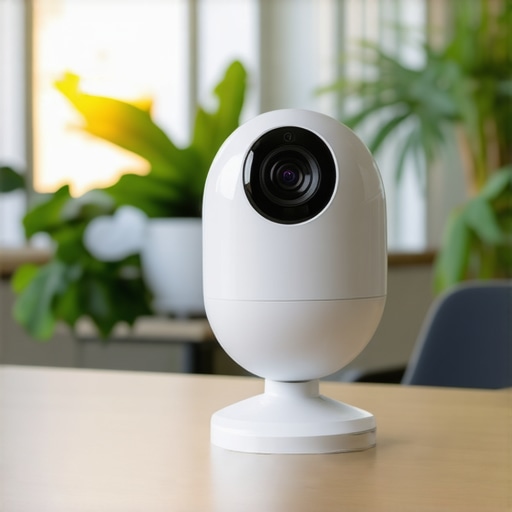
Scale your space without losing your shirt
As you grow, you’ll be tempted to sign a five-year lease the moment you raise your Series A. Don’t. I’ve seen too many founders get trapped in ‘ego real estate’ that they can’t afford eighteen months later. Instead, master the art of the perfect office tour for your latest new hires by showing them a space that is functional and flexible. You want to prioritize agility over prestige. The future of the workspace is what I call ‘The Elastic Office.’ I predict that by 2027, the traditional long-term office lease will be almost entirely replaced by ‘on-demand’ corporate suites that expand or contract based on real-time sensor data of who is actually in the building. You should always double-check the truth about flexible membership cancellation policies before committing to any new location. My advanced tip for you today: next time you tour a space, don’t just look at the desks—ask to see their server room or their networking closet. If it looks like a bird’s nest of cables, their Wi-Fi will eventually fail you. Go ahead and try this ‘infrastructure check’ on your next visit; it’s the quickest way to see if a space is managed by professionals or amateurs.
The Hardest Lesson I Learned About the Prestige Trap
Looking back, the biggest mistake wasn’t the price—it was the purpose. I thought a mahogany table made us look like a ‘real’ company, but we actually needed a collaborative hub where ideas could breathe. I’ve realized that choosing the perfect conference room isn’t about status; it’s about removing every single barrier between your team and their best work. If you have to spend twenty minutes figuring out the light switches, you’ve already lost the morning’s momentum. I also learned that investors prefer meeting in professional settings because it shows you value their time and your own operational maturity. Don’t buy the hype; buy the workflow.
#IMAGE_PLACEHOLDER_E#
My High-Performance Toolkit for Any Meeting Space
When I’m vetting a new space, I don’t just look at the floor plan. I look for the infrastructure that supports a modern, hybrid team. My essential toolkit includes Skedda for rapid booking, the Meeting Owl 3 for spatial audio, and always a backup fiber-optic hotspot. I’ve found that coworking spaces unlock innovation only when the technology stays out of the way. If you’re still on the fence, check out my guide on how to choose the perfect conference room for business success to ensure your next pitch doesn’t fall flat because of a bad Wi-Fi signal or an echoey room.
The Future of Your Startup Starts Outside Your Home Office
Your office environment is the physical manifestation of your company culture. As we move toward a more flexible work era, the future of conference rooms in startup ecosystems is all about adaptability and extreme agility. You aren’t just renting a desk; you are joining a network that can accelerate your growth or stifle it. Take the leap, do your homework, and find a space that feels like it was built for your specific mission. What’s the one ‘dealbreaker’ you’ve discovered during an office tour? Let me know in the comments below!