

I remember standing in the lobby at 8:58 AM, clutching a lukewarm latte like it was a holy relic, only to realize the ‘good’ desks—the ones with the floor-to-ceiling windows and enough legroom for a human—were already occupied by people who apparently didn’t sleep. I spent that entire Tuesday squeezed between a noisy industrial printer and a guy who spent three hours loudly crunching on granola. It was a wake-up call. I realized that just showing up wasn’t enough; I was playing a game without knowing the rules. Today, I’m going to show you the membership trick I used to stop the morning scramble and finally secure a workspace that actually helps me think. We are going to solve the mystery of the ‘hidden’ desk hierarchy so you never have to settle for the seat next to the bathroom again. Have you ever felt like you were paying for a premium membership but still ended up with the worst seat in the house?
Stop Settling for the Leftover Chairs Near the Printer
One of the biggest mistakes I made early on was assuming that every ‘hot desk’ membership was created equal. I figured as long as I had a badge, I had an equal shot at the window seats. I was wrong. I didn’t realize that many spaces have ‘soft’ reservations or that the move to a dedicated desk is often the only way to bypass the daily land-grab. According to a report by the Leesman Index, 85% of professionals say their workplace design is vital to their productivity, yet most people leave their daily environment to chance. I spent months frustrated before I learned how to pick a membership tier that gave me priority access to the quiet zones. It isn’t just about the money; it’s about knowing which specific plan allows you to ‘pre-book’ or which buildings have under-utilized nooks that aren’t on the main map.
Is paying extra just for a better view actually worth the hype?
You might be skeptical, thinking a desk is just a desk. But when you are trying to how to get more done in four hours than a full home day, the ergonomics and the light level matter more than you think. My productivity plummeted when I was constantly distracted by foot traffic. By using the ‘tier-jump’ trick, I secured a spot in the back corner that turned into my personal sanctuary. If you want to follow the founders guide to not getting distracted in a coworking space, you have to start with the physical location of your laptop. Getting this right isn’t just a luxury; it’s the difference between a wasted afternoon and a breakthrough.To get the best seat, you have to treat the booking app like a high-stakes stock trade. Most people check the app when they park their car, but by then, the prime real estate is already gone. I learned this the hard way when I tried to host a product demo in a busy lobby—a disaster I still cringe about. My client could barely hear me over the industrial espresso machine, and why your pitch failed in a noisy lobby became a painful lesson I will never forget. Now, I set a digital alert for exactly 72 hours out. This is the sweet spot for snagging those elusive ‘quiet’ zones before the Friday rush hits. If you want to know how to book a meeting room on a friday afternoon without the stress, it starts with an automated calendar reminder that beats the human habit of procrastination.
Check the Walls Before You Check the Wi-Fi
It’s easy to get blinded by a fancy glass-walled conference room, but glass is an acoustic nightmare. I remember a high-stakes board meeting where our voices bounced around so much that the person on the other end of the Zoom call thought we were calling from a tiled bathroom. You need to know how to vet a meeting room for acoustic privacy before booking. Look for soft surfaces like curtains, acoustic panels, or even just a thick rug. If the room sounds like an echo chamber, your professional authority will take a hit. If you are already stuck in a noisy spot, you can often find the acoustic fix for echoey conference rooms by simply rearranging the chairs or bringing in a few portable dampeners to break up the sound waves. 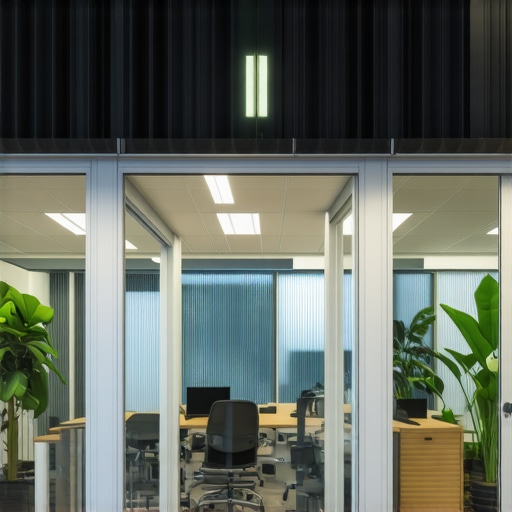
Why Flexibility Beats Raw Square Footage
When I first started scaling my team, I thought I needed a massive 10-person office. I was wrong. We ended up paying for empty chairs three days a week because half the team preferred working from home on Tuesdays. I quickly realized why membership flexibility is more important than square footage. Instead of a rigid lease, we shifted to a plan that allowed us to scale up or down based on our actual weekly needs. This ‘elastic’ approach saved us thousands in overhead. It is about being lean and mean. You do not want to be the founder who is house-poor but for an office. Instead, focus on how to pick a membership tier that scales with your team without locking you into a five-year mistake that drains your seed funding.
The Two-Minute Vibe Check
Before you sign any contract, walk the floor at 2 PM. This is the peak ‘chaos hour’ for most spaces. If the communal kitchen looks like a frat house and the ‘quiet zone’ features a guy taking sales calls on speakerphone, run. I have used this simple walkthrough to how to spot a toxic coworking vibe in under five minutes. You are looking for a culture of mutual respect, not just a desk. In one space I toured, I noticed everyone wore heavy noise-canceling headphones like a mandatory uniform—that is a massive red flag for a workspace that has failed to manage its acoustics. You want a place where the best ways to network in a shared space without being annoying are naturally baked into the layout, such as well-placed lounge areas located far away from the deep-work desks.
That ‘vibe check’ doesn’t just stop at the lounge furniture; it extends directly into the rooms where your biggest decisions happen. Common wisdom suggests you should book the most impressive, glass-encased boardroom to wow an investor, but I’ve found that to be a recipe for a cold, echoey disaster. In my experience, high-stakes conversations thrive in smaller, tech-heavy ‘war rooms’ rather than sprawling halls. You need to understand the difference between a standard meeting room and a real war room before you sign off on a rental. Most people think ‘more space equals more prestige,’ but for a lean startup, an oversized table just creates a physical and psychological barrier between you and your team. We once lost an afternoon of momentum because we were shouting across a twelve-foot oak table when we really just needed to be huddled around a shared screen.
Stop Obsessing Over Massive Boardrooms
One of the biggest ‘oops’ factors I see is founders booking rooms based on the guest count instead of the technical requirements. If you are showing off a prototype, you don’t need a view of the skyline; you need a space that passes the acoustics test every conference room should pass. I’ve seen brilliant presentations fall flat because the HDMI cable was missing or the Wi-Fi dipped exactly when the demo went live. This is why why your conference room needs better technology and fewer cables—the less you have to fiddle with dongles, the more professional you look. A study by the Gensler Research Institute found that high-performing workplaces offer specialized spaces that support deep focus and specific collaboration types, yet many coworking hubs still offer generic ‘one-size-fits-all’ boxes. If you aren’t careful, you’ll end up paying for square footage that actually hinders your speed.

Does your meeting space actually stifle your team’s creative friction?
It sounds counterintuitive, but a room that is too ‘comfortable’ can actually kill productivity. If the chairs are too plush and the lighting is too dim, your strategy session will turn into a nap session. You want a space that encourages movement—think standing-height tables or wall-to-wall whiteboards. This is a core part of how to maximize productivity in your startups conference rooms. I’ve learned that why your pitch deck looks better on a forty-inch screen than a laptop isn’t just about size; it’s about the shared experience of looking at the same data at the same time. When you are looking at the future of conference rooms in startup ecosystems, the trend is moving away from formality and toward high-utility ‘sprint’ spaces. Have you ever fallen into the ‘big room’ trap only to find the tech didn’t work? Let me know in the comments. Choosing the right environment is about knowing how to choose the perfect conference room for business success based on the specific goal of that hour, not just the number of chairs. If you can master this nuance, you’ll stop wasting money on ‘prestige’ and start investing in actual output.
I used to carry a tech bag that looked like it belonged to a 1990s IT consultant. Cables, dongles, and three different types of power bricks—it was a mess. Now, I’ve stripped it down to the essentials because I realized that the best spaces provide the heavy lifting for you. For instance, I always check if a space has common backup power; it is a absolute lifesaver to know why our private office suites stock extra surface pro chargers for members because it shows they actually understand a founder’s panic when the battery hits 2%. But even with great perks, you need your own ‘fail-safe’ kit. I personally swear by a specific 100W GaN charger and a high-quality omnidirectional USB-C microphone. Why? Because why a basic warranty wont save your startup from a hardware disaster is a lesson you only want to learn once. If your mic dies during a high-stakes pivot-pitch, no warranty will get you that hour back. 
Build a Tech Kit That Never Fails
My kit isn’t about luxury; it is about eliminating single points of failure. If the conference room’s built-in camera is grainy, I have my own 4K webcam ready to go. If the Wi-Fi gets spotty because fifty people just joined a webinar downstairs, I have a dedicated mobile hotspot with a high-gain antenna. According to the 2024 State of Hybrid Work Report by Owl Labs, 72% of employees say they need better technology at the office to make the commute worth it. If you are the leader, that responsibility falls on you. You have to ensure that the logistics of scaling a hybrid team without a corporate hq includes a standardized ‘mobile office’ kit for every senior hire. This prevents the constant friction of tech troubleshooting and keeps your focus on the growth metrics that actually matter.
How do I maintain professional standards as my team expands?
Maintenance isn’t just about keeping your hardware updated; it’s about the social fabric of the workspace. As you spend more time in these environments, you’ll have to learn how to manage office politics in a space you dont own. It’s about being a ‘good neighbor’ so that when you need a small favor—like extending a room booking by twenty minutes without a penalty—the community staff is on your side. I predict that the ‘office’ of the near future will be entirely adaptive, with AI sensors that automatically adjust lighting and white noise based on the specific team’s heart rate and focus levels. We are already seeing the early stages of this in high-end innovation hubs. If you are ready to stop guessing and start growing, I highly recommend you go through the checklist for moving your startup into its first real office and pick three non-negotiables that will define your team’s daily workflow for the next six months. Don’t leave your culture to chance.
Realities I Discovered the Hard Way
The biggest shock for me was realizing that community managers are your secret weapon. If you treat them like colleagues rather than concierge staff, you’ll find yourself getting the first heads-up when a quiet suite opens up. It is the most effective way to learn how to find quiet spaces in a busy downtown coworking hub before they appear on the app. Another hard truth? The ‘free’ snacks are a productivity trap. I spent my first month riding sugar highs and crashes until I realized that a professional environment requires professional fuel. Finally, never assume the Wi-Fi is bulletproof. I always run a speed test during my tour because you need to know how to tell if a coworking membership is worth the price based on actual performance, not just the aesthetic of the lounge.
#IMAGE_PLACEHOLDER_E#
The Only Tools You Actually Need
To keep your edge, you need a curated set of resources that go beyond a laptop. I swear by my noise-canceling setup—it’s the only way to survive a Tuesday afternoon in a shared space. For the strategy side, I highly recommend studying startup success secrets choosing the perfect conference room to ensure you aren’t overpaying for space you don’t use. I also suggest keeping a digital copy of the checklist for moving your startup into its first real office on your phone. These documents aren’t just paperwork; they are the blueprints for your operational efficiency. I trust these specifically because they’ve saved me from three different lease-signing disasters in the last five years.
Build Your Empire from a Desk You Love
Finding the right space isn’t just about avoiding a bad chair; it’s about signaling to your team—and yourself—that your mission is worth a professional environment. Whether you are just starting out or figuring out how to transition your team from a garage to a real office, remember that your surroundings dictate your standards. Don’t be afraid to demand a space that matches your ambition. You’ve put in the work to build a business; now it is time to give that business a home where it can actually breathe and grow. Your environment is the silent partner in your success—make sure it’s a good one.
What is the one deal-breaker that would make you leave a coworking space immediately? Let me know in the comments below!