
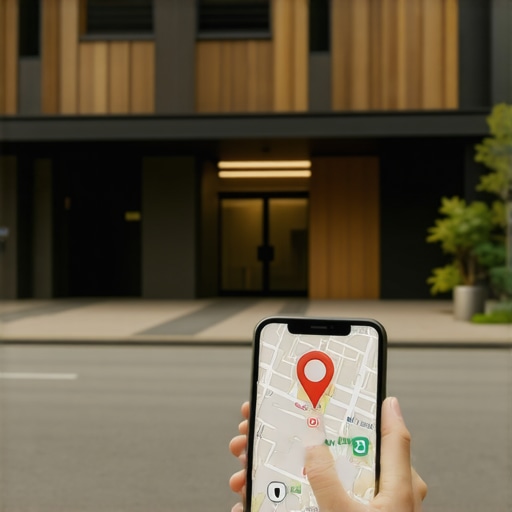
I’ll never forget the sinking feeling in my gut when it was 7:15 PM and my high-stakes investor mixer had exactly three people in the room—and two of them were my co-founders. I’d spent six weeks perfecting the deck and worrying about why your pitch deck fails in a dark hotel basement, only to realize I’d picked a venue that was effectively invisible. My guests were literally circling the block, frustrated and fueled by a growing desire to just go home. I had fallen into the trap of picking vibe over visibility. It was a rookie mistake that cost me three potential leads and a whole lot of pride. Today, I am going to share exactly how to vet a space so your attendees spend their energy on your presentation, not on finding the front door.
Your Secret Location is Killing Your Turnout
The hard truth is that if your guests have to call you for directions, you’ve already lost the battle. We often get seduced by the hidden gem or the exclusive loft, but for a startup looking to build momentum, friction is the enemy. Whether you are managing the logistics of hosting a 50-person hackathon in a coworking space or just a small workshop, the physical path to your door needs to be brain-dead simple. I’ve learned that the hard way. Early in my career, I booked a gorgeous basement space that required guests to navigate a service elevator and a dimly lit hallway. Half of them never made it. They didn’t see the tiny sign I’d taped to the brick wall, and quite frankly, I don’t blame them. Success starts at the curb.
Is a central location actually worth the extra rent?
You might be worried that paying a premium for a spot with street-level access or a recognizable address is just burning cash. It is a valid fear. However, consider this: the Center for Exhibition Industry Research (CEIR) has noted in their studies that location and ease of travel are among the top three variables that dictate whether a professional actually shows up to an event. When you look at how to host a community event that local professionals actually attend, the cost of a cheaper, hidden venue is actually the lost value of the people who stayed in their cars and went home. It is not just about the rent; it is about the ROI of every single RSVP. Much like choosing the perfect conference room for startup success, you have to prioritize the user experience from the moment they step off the train or out of their car. Have you ever missed an important meeting because you couldn’t find the entrance to the building? Let me know—I need to know I am not the only one who has struggled with this! I want to walk you through the checklist I now use to ensure every guest arrives on time and stress-free.
Run the ‘First-Timer’ Gauntlet
The first thing I do when I visit a potential venue is forget everything I know about the building. I pretend I’m a tired investor who just got off a delayed flight and has exactly three minutes to find my seat. If I can’t find the elevator without asking a security guard, the venue is a liability. You need to look for signage that doesn’t require a magnifying glass. When you are trying to get a premium business address without the five-figure lease, the facade of the building is your first marketing touchpoint. I once lost a major partnership because the ‘executive suite’ I rented was located behind a local deli. The partner thought he was being pranked and left before I even saw him. Now, I prioritize buildings with a clear, staffed lobby and digital directories. It’s the difference between looking like a scrappy winner and looking like a fly-by-night operation.
Demand Tech That Just Works
Nothing kills the momentum of a pitch faster than a ‘No Signal’ message on a 60-inch screen. You have to find a conference room that actually has working adapters and isn’t just a graveyard of outdated VGA cables. Think of your AV setup like a car engine; it doesn’t matter how pretty the paint job is if the car won’t start. I carry a ‘tester’ laptop to every site visit. I plug it in, test the audio, and check the Wi-Fi speeds in the corners of the room. A pretty table is useless if your conference room needs better technology and fewer cables to actually function during a live demo. 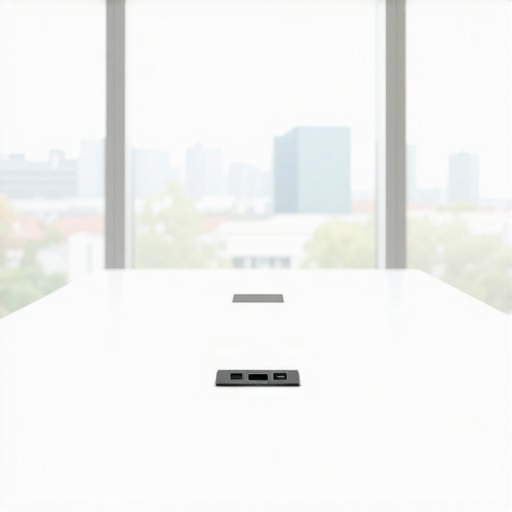
Walls Have Ears Unless You Check
For my most recent prep session, I used the exact checklist for vetting a high-stakes board room to ensure our financial numbers stayed private. I had a co-founder stand in the common hallway and shout a fake secret while I stayed inside. If I could hear him clearly, we weren’t booking it. This is why you must vet a meeting room for acoustic privacy before booking. Most glass-walled ‘fishbowls’ in trendy hubs are terrible for this. They look great on social media but offer zero protection for your trade secrets. I’ve learned to value thick drywall and drop-seals on doors over aesthetic transparency every single time.
Stop Squinting at Bad Bulbs
Bad lighting makes people tired. It is biological. If you are hosting a four-hour strategy session, flickering fluorescent tubes are your enemy. You want natural light or high-quality LEDs that don’t cast shadows like a noir film. When we were managing the logistics of moving our startup to a professional space, the first thing I checked was the window-to-desk ratio. A dark room makes your team—and your guests—want to nap rather than innovate. It is an invisible productivity killer that most founders ignore until they see everyone yawning by 2:00 PM. High ceilings and warm light keep the energy in the room high when the coffee starts to wear off.It’s easy to get distracted by the bells and whistles. Most founders believe that a ‘cool’ office with a ping-pong table and a cold-brew tap is the key to retention. In my experience, that’s a total myth. Your team doesn’t want a playground; they want to maximize productivity in your startup’s conference rooms before the afternoon slump hits. The ‘Oops’ factor here is simple: you prioritize the ‘lifestyle’ perks while ignoring the actual work environment. I’ve seen teams realize the truth about free perks you never actually use only after they’ve signed a year-long lease. It’s the functional utility—things like ergonomic chairs and stable internet—that keeps a seed round from going to waste.
Stop Paying for Beer Taps and Start Counting Power Outlets
If you’re at the stage where every dollar counts, you need to be brutal about what stays and what goes. I once worked in a space that had a professional DJ on Fridays but only two working outlets in the entire main conference room. We were literally taping extension cords across the floor to keep our laptops alive during investor calls. It looked pathetic. When you’re looking to unlock networking opportunities in top coworking environments, focus on the infrastructure first. A flashy lobby doesn’t mean anything if the hidden drag of slow office Wi-Fi is eating your team’s billable hours.
Does Your Startup Actually Benefit from a High-End Boardroom?
Here’s a nuance most people miss: size matters, but bigger is often worse. A study by researchers at Harvard Business School (Bernstein and Turban, 2018) found that the transition to open-plan offices actually reduced face-to-face interaction by roughly 70%. The same logic applies to meeting spaces. If you put four people in a room meant for twenty, the psychological distance kills the collaboration. I always follow the two-pizza rule for booking the right size meeting room. You want a space that feels tight and high-energy, like a ‘war room’ where decisions actually happen. Knowing the difference between a standard meeting room and a real war room can be the catalyst for your next breakthrough. #IMAGE_PLACE_HOLDER_C#
Why Your Glass-Walled Office is Killing Your Privacy
We’ve been sold the dream of ‘transparency’ via glass walls, but it’s often a trap for high-stakes startups. When you’re trying to keep your startup’s trade secrets safe, being on display in a ‘fishbowl’ is a disaster. Investors feel watched, and employees feel judged. If you don’t spot a toxic coworking vibe early on—where everyone is more focused on looking busy than being busy—you’ll lose your culture. Have you ever fallen into the ‘cool office’ trap only to find out the Wi-Fi didn’t work? Let me know in the comments—I’m curious if this is a universal rite of passage for founders!Maintenance is the unsexy part of the startup journey that nobody posts on Instagram, yet it is exactly where the wheels fall off for most founders. Once you have moved past the initial excitement of your first desk, you quickly realize that a single broken HDMI port or a dead battery can derail a million-dollar pitch. I have started carrying what I call the ‘Meeting Survival Kit’ because I learned the hard way that why a basic warranty won’t save your startup from a hardware disaster when a monitor dies ten minutes before a board meeting. I personally never travel to a meeting room without my own Logitech Spotlight remote and a high-wattage USB-C hub. These tools ensure that I am never at the mercy of a venue’s neglected cable drawer.
The Hidden Cost of ‘It Just Works’ Technology
The best spaces I have ever used are the ones that anticipate failure before I do. For instance, I always look for venues that go the extra mile, which is why our private office suites stock extra Surface Pro chargers for members. It is a tiny detail, but it reflects a culture of operational excellence. As you look at the logistics of scaling a hybrid team without a corporate HQ, these small operational wins become the backbone of your professional reputation. According to a study by Leesman, an independent workplace effectiveness assessor, the ‘technical infrastructure’ of a workspace is the single biggest driver of employee satisfaction, yet it is the most frequently overlooked variable during rapid scaling. If the tech is flaky, your team’s confidence will be too. 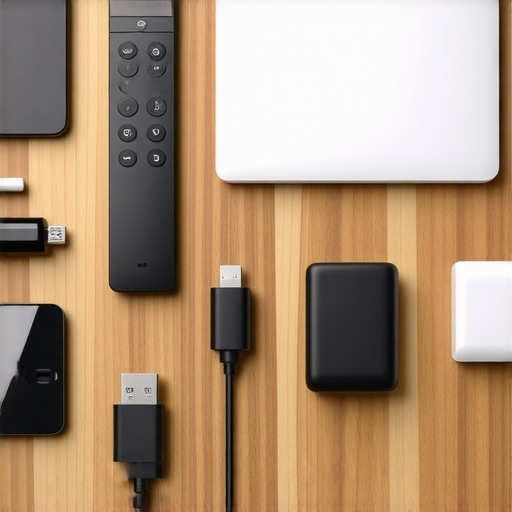
How do I maintain high standards when I am rarely in the same room as my team?
This is the million-dollar question for the modern founder. Maintaining a culture of excellence requires you to maximize productivity in your startup’s conference rooms by setting clear protocols for how meetings are booked and closed out. I recommend a ‘five-minute reset’ rule: the last five minutes of every booking are for resetting the tech and clearing the whiteboard. It sounds corporate, but in a shared environment, it is the only way to avoid the ‘tragedy of the commons’ where every room you enter is a mess.
The Future of Your Square Footage
Looking ahead, the trend is moving away from massive, permanent leases and toward hyper-functional ‘flex’ hubs. I predict the future of conference rooms in startup ecosystems will be defined by modularity and on-demand high-end AV. We are seeing a shift where startups use ‘satellite’ offices for deep work and only rent high-end boardrooms for high-stakes moments. This keeps the burn rate low while keeping the ‘wow factor’ high for investors. If you want to stay ahead, stop thinking about your office as a place to sit and start thinking of it as a tool to be deployed. Try this today: Audit your current workspace and identify the one piece of tech that ‘almost’ works but causes daily frustration. Replace it or move to a space that handles it for you. You will be shocked at how much mental bandwidth you claw back.
The Hardest Lesson I Learned About Picky Investors
I used to think a cool mural and a free beer tap could distract an investor from a poor presentation environment. I was wrong. The most valuable insight I can give you is that professional respect is earned through the details you don’t see. I’ve realized that functional simplicity beats aesthetic complexity every time. If you transition your team from a garage to a real office, don’t let the shiny lobby distract you from the fact that the walls are paper-thin. Also, remember that your time is a finite resource; wasting twenty minutes on a HDMI handshake is twenty minutes of lost momentum.
The Kit I Never Leave Behind
To keep my sanity, I’ve curated a small toolkit that ensures I’m never at the mercy of a bad venue. First, I always consult the checklist for a boardroom that doesn’t feel like a hospital to ensure the lighting and air quality are up to par. I also swear by the Logitech Spotlight remote—it works on any screen without those awkward laser-pointer jitters. For team dynamics, I strictly follow the two-pizza rule for booking the right size meeting room to keep the energy tight and the focus sharp. Finally, I use innovative meeting rooms that boost startup creativity when I need to break out of a strategic rut. #IMAGE_PLACEHOLDER_E#
Your Startup Deserves a Real Stage
Your ideas are too important to be muffled by poor acoustics or killed by a ‘No Signal’ screen. Every time you book a conference room, you are making a statement about how much you value your own vision. Don’t be afraid to demand more from your workspace provider—because at the end of the day, they are a partner in your growth, not just a landlord. The right environment won’t build your company for you, but it will certainly stop getting in your way. Have you ever had a deal fall through because of a technical glitch or a distracting environment? Let me know in the comments below—I’d love to hear your survival stories!