
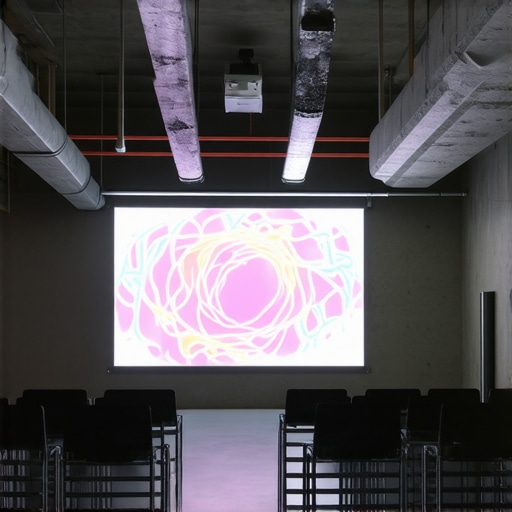
I can still smell the stale air and that distinct, damp “basement musk” that clung to my blazer for three days after the worst pitch of my life. I was twenty-four, desperate for seed funding, and convinced that booking a cheap “executive suite” in a suburban hotel basement was a genius move to show I was frugal. It wasn’t. My slides looked like mud on the outdated projector, and the investor spent more time checking his watch than my cap table. I learned the hard way that when you force a VC to venture into the depths of a dark hotel, you aren’t showing grit—you’re showing poor judgment. One flickering lightbulb is all it takes to make a solid business plan look like a desperate gamble.
Environment Dictates the Energy of Your Deal
I’m sitting there, clicking through my slides, and I realize the investor isn’t looking at my “disruptive” growth chart. He’s looking at a water stain on the ceiling tile. That was the moment I realized that *where* you pitch is just as important as *what* you pitch. If the room feels like a dungeon, your ideas will feel like they belong there too. We’ve all been there, trying to save a buck while chasing a dream. But the truth is, ditching the basement is as much about your mental state as it is about the investor’s impression. When I made that mistake, I didn’t realize I was sabotaging my own confidence. Why your pitch failed in that noisy coffee shop or that dark hotel room usually comes down to the environment’s “psychological drag.” Today, I am going to help you fix your venue strategy so you never have to squint in a basement again. We are going to dive into how to choose the perfect conference room for business success and why natural light beats a fluorescent hum every single time.
Does the Room Really Matter if the Product is Great?
You might think a billion-dollar idea should shine anywhere, even in a closet. It doesn’t. Research from the Journal of Environmental Psychology shows that people in rooms with poor lighting and low ceilings report significantly higher levels of cortisol and lower levels of creative focus. If your investor is physically uncomfortable, they aren’t thinking about your ROI. My early mistake was thinking the “hustle” outweighed the “hospitality.” It cost me a second meeting. We will explore how to find a conference room that actually has working adapters and the right vibe to close the deal. Have you ever walked into a booked meeting space and immediately felt your heart sink because of the vibe? Tell me about your worst “meeting room fail” in the comments—I need to know I’m not the only one who has pitched next to a stack of folded banquet chairs.
Kill the Friction Before the Pitch Starts
To move past the basement-dwelling stage of your startup, you have to treat the meeting room as a weapon, not just a place to sit. Think of it like a stage for a high-stakes performance; if the lighting is dim and the mic is cutting out, the audience won’t remember the script—they’ll remember the failure. You need to eliminate ‘technical friction’—those three minutes of awkward silence while you faff with a dongle—because that is where momentum goes to die.
Stop Gambling on Shaky Adapters and Dead Pixels
I used to show up to meetings with nothing but a prayer and a laptop. I once lost ten minutes of a thirty-minute window because the room’s HDMI cable had a frayed neck, and I didn’t have a backup. It was a disaster. Now, I specifically find a conference room that actually has working adapters and I carry a ‘go-bag’ with my own Surface Pro chargers and HDMI-to-USB-C converters. You should assume the provided tech will fail. When you improve your conference room technology and reduce cable clutter, you aren’t just being tidy; you are removing the barriers between your idea and the investor’s brain.
Why Your Vision Needs a Forty-Inch Canvas
Stop pitching off your laptop screen. It’s intimate, but it’s also small and forces everyone to hunch over like they’re looking at a campfire. When you scale your presentation up, the psychology changes. There is a reason why your pitch deck looks better on a forty-inch screen than a laptop; it commands the room. It turns a suggestion into a statement. I remember the first time I moved a demo from my 13-inch MacBook to a 4K wall-mounted display; the investors actually leaned back and took it in rather than squinting. It changed the power dynamic instantly.
Verify the Walls Can Keep a Secret
If you can hear the person in the next room talking about their lunch, your investor knows the rest of the building can hear your trade secrets. Before you book, you have to vet a meeting room for acoustic privacy. I learned this the hard way when I realized a competitor was working in the office right next to my ‘private’ war room. I spent the whole meeting whispering, which made me look nervous rather than confidential. Now, I always perform the acoustics test every conference room should pass: have a teammate talk at a normal volume outside while you stand inside. If you can understand them, the room is a liability.
The Fiber-Optic Safety Net You Cannot Ignore
I once hosted a high-stakes board meeting where the Wi-Fi dropped right as I hit the ‘live demo’ slide. I had to tether to my phone, but the concrete walls of the building blocked the signal. I looked like an amateur. That was the last time I ever signed a booking without a speed test. You must vet a space for high-speed fiber before you sign. In a world of cloud-based everything, a slow connection is a slow burn on your reputation. When you handle high-stakes board meetings in a shared building, the bandwidth needs to be guaranteed, not ‘available.’
Most founders think the ultimate goal is to book the biggest, most expensive boardroom they can find to look ‘established.’ In my experience, that is a rookie mistake that actually kills the collaborative energy of a deal. When you are a lean startup, sitting at the end of a twenty-foot mahogany table makes you look like you are playing corporate dress-up rather than building the future. It creates a physical and psychological chasm between you and your potential partners. To truly choose the perfect conference room for business success, you have to prioritize intimacy over intimidation. Research by the Harvard Business Review suggests that excessive physical distance in a meeting environment can actually reduce the likelihood of reaching a consensus because it triggers our subconscious ‘defensive’ social cues. If you want a ‘yes,’ you need a space that fosters connection, not a fortress.
Is Your Meeting Space Making You Look Like an Amateur?
One of the biggest traps is the ‘Empty Room Syndrome.’ I’ve seen teams of three book a space designed for twenty, thinking it shows they are ready to scale. Instead, it just highlights how small they currently are. You should follow the two-pizza rule for booking the right size meeting room to ensure the energy stays focused. An oversized room feels cold and echoing, which makes your pitch feel hollow. On the flip side, you have to ensure the room is functional; why your meeting room needs to be more than just a table becomes obvious the moment you need a whiteboard or a second screen and find yourself staring at a blank wall. The ‘Oops’ factor often comes down to failing to check the room’s personality. You can have the best tech in the world, but if the building has a frantic, noisy atmosphere, you’ll never close the deal.

Before you commit to a membership or a long-term booking, you have to learn how to spot a toxic coworking vibe that might rub off on your brand. If the front desk is disorganized or the common areas are messy, that is the first thing your investor sees. These startup success secrets aren’t just about the room itself, but the entire journey from the front door to the conference chair. Every detail, from the scent of the lobby to the speed of the elevator, is a data point for the person you are trying to impress. Have you ever fallen into this trap and booked a room that looked great online but felt wrong in person? Let me know in the comments.
Scaling is where most founders lose their grip on the quality I’ve been talking about. When it’s just you, you can control every dongle and every shadow, but as your team grows, the room starts to control you. I’ve transitioned from a solo flyer to managing a squad, and the first thing that slips is the environment. To prevent your professional image from eroding, you have to automate your excellence. I don’t leave my pitch success to chance or the whims of a coworking manager. I carry a ‘founder’s go-bag’ that stays in my car. Inside is a CalDigit TS4 dock—because I need reliable I/O—and a set of 8K-rated HDMI cables. Why? Because according to the VESA (Video Electronics Standards Association) DisplayPort 1.4 technical specifications, using sub-standard cables is the primary cause of ‘handshake’ flickering on high-resolution displays. If your screen blinks during a demo, you don’t look like a tech visionary; you look like someone who didn’t do their homework. This is also why our private office suites stock extra Surface Pro chargers for members, ensuring that tech failures never derail a session.
How do I maintain my meeting standards over time?
Consistency is the hardest part of the startup journey. As you move through the stages of scaling from 2 to 20, you need to establish a ‘Room Protocol.’ This isn’t just about booking; it’s about auditing. I personally perform a walkthrough of any new venue twenty-four hours before a big event. You have to understand how to maximize productivity in your startups conference rooms by treating the physical space as an extension of your software stack. If the Wi-Fi latency is high or the chairs are squeaky, that is a ‘bug’ in your presentation. Managing the logistics of scaling a hybrid team without a corporate hq means you are the CTO of your physical environment. 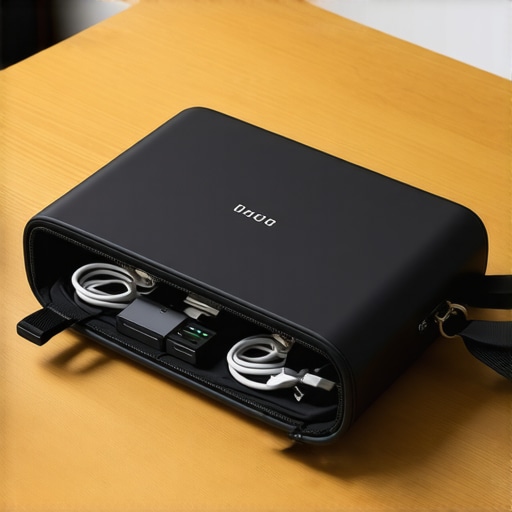 Looking ahead, I predict we are moving toward ‘context-aware’ rooms. I’m already seeing beta tech where AI-integrated conference rooms adjust the lighting and acoustic dampening based on the sentiment of the conversation. In the future of conference rooms in startup ecosystems, the room won’t just be a box; it will be an active participant that helps you close the deal. My challenge to you? Go buy a high-quality, shielded USB-C hub today and stop relying on the cheap plastic ones that overheat after twenty minutes. It’s a small investment that keeps your brand from flickering out when the pressure is on.
The Most Expensive Mistakes I Made While Pitching in Borrowed Rooms
Reflecting on those early days in hotel basements, I realized that environment is a silent partner in your pitch. First, never underestimate the power of ‘dead air’ in a room that is too big; it makes your company feel smaller than it is. Second, always arrive thirty minutes early to test the ‘handshake’ between your laptop and the display—I have seen more deals die from flickering screens than from bad financials. Third, your reputation is tied to the building you invite people to. When you learn startup success secrets, you realize that professional polish starts at the lobby, not just inside the room. Finally, remember that physical proximity breeds trust. A tight, well-lit space for three people is always better than a cold, echoing hall for twenty.
My Non-Negotiable Gear for Every High-Stakes Meeting
To ensure your environment works with you, I recommend curating a ‘battle kit.’ I never leave home without my CalDigit dock and shielded cables to avoid technical glitches. Beyond hardware, I rely on innovative meeting rooms that boost startup creativity to keep the energy high. If you are moving out of your garage, follow the logistics of moving your startup to a professional space to avoid the common pitfalls of amateur setups. These tools and spaces are not just expenses; they are the infrastructure of your success.
Own the Room and the Future is Yours
Choosing your environment is the first executive decision you make for every meeting. When you master how to choose the perfect conference room for business success, you are not just booking a table; you are setting the stage for your company’s next chapter. Don’t let a bad adapter or a basement musk be the reason an investor says ‘no.’ The future of conference rooms in startup ecosystems is bright, tech-forward, and designed for winners like you. Step out of the shadows and into a space that reflects your ambition. Have you ever had a pitch derailed by a tech fail or a weird room vibe? Tell me your story in the comments below!