

I stood there, staring at the empty spot where my expensive organic kale salad used to be. It was 1:00 PM, my stomach was growling, and I had a pitch in twenty minutes. In that moment, I didn’t want to innovate; I wanted to hunt down whoever took my lunch and start a corporate-wide investigation. We’ve all been there, right? That simmering resentment that builds up when the communal kitchen looks more like a crime scene than a place of nourishment. This isn’t just about food; it’s about the respect that keeps a community together. Today, I’m going to show you how to navigate the cold storage social contract so you can stop worrying about your leftovers and start focusing on your business.
Stop Turning the Shared Kitchen Into a Passive-Aggressive War Zone
It’s funny how we spend thousands on the future of conference rooms in startup ecosystems but lose our minds over a splash of almond milk. Early in my career, I was the offender. I once left a container of leftover pasta in the back of the fridge for three weeks, thinking someone else would handle the disposal. It didn’t just smell; it became a legendary biohazard that people whispered about in the lobby. That mistake taught me that why communal kitchens are the best place to find your next cto only works if the environment is actually welcoming. If the fridge smells like a science experiment gone wrong, nobody is networking; they are running for the exit. We need to treat the kitchen with the same professionalism we bring to innovative meeting rooms that boost startup creativity. Have you ever opened the fridge and found your lunch completely missing? Tell me your most dramatic office kitchen story in the comments—I promise I won’t judge if you sent a company-wide email in all caps.
Can a shared fridge actually stay clean without a chore chart?
It feels like a pipe dream, doesn’t it? Most people think a clean fridge requires a dedicated office manager or a strict penalty system. However, it’s really about setting a baseline of mutual respect that reflects your company culture. According to research by the UK job site CV-Library, nearly 10% of workers have had a serious verbal altercation over office food theft or hygiene issues. It sounds trivial, but these micro-aggressions bleed into your work and kill the vibe. When people don’t trust each other with their yogurt, they won’t trust each other with their best ideas. Moving your operations into its first real office means growing up, and that starts with the lunchroom.If you treat a shared fridge like a free-for-all, you are essentially signaling to your peers that your personal convenience outweighs their boundaries. Think of the communal refrigerator as a server rack; if the components aren’t clearly identified, the entire system faces a critical failure the moment someone needs to make a quick adjustment. Why shared kitchens are the new secret boardroom for founders is a concept rooted in mutual trust, and that trust begins with how you handle a yogurt cup.
Adopt These Rules to Keep Your Reputation Intact

Stick to the 24-Hour Rule for Leftovers
Leftovers have a shelf life that is significantly shorter in a shared environment than they do in your home. Anything that stays in the fridge longer than twenty-four hours without a clear ‘Eat by’ date is a liability. I remember a specific incident in 2019 when I was working out of a bustling hub. I had a habit of leaving half-empty cartons of almond milk in the door. One Tuesday, the founder of a fintech startup I had been trying to network with slipped on a small puddle caused by my leaky container. In that instant, months of careful branding vanished. It reminded me that the cost of a bad first impression isn’t just about your pitch deck; it is about how you maintain the space you share with others.
Put a Name and Date on Everything
Anonymity is the enemy of accountability. Use a permanent marker to label every single item you place in the cold storage. This isn’t just to prevent theft; it’s to help the cleaning crew (or the brave soul who volunteers for the Friday purge) know what is fresh and what is a biohazard. If you find yourself constantly frustrated by the state of the breakroom, you might want to look at the 7 signs you are the loud person in the shared workspace hub, because being ‘loud’ also applies to the visual and olfactory noise you create in the kitchen.
Wash Your Dishes Immediately Without Exception
The ‘soaking’ excuse is a myth designed by people who want someone else to do their work. In a startup environment, speed and efficiency are everything. Leaving a crusty bowl in the sink is the equivalent of leaving a bug in the code for the next developer to find. Treat the sink as a high-traffic lane that must remain clear at all times. When you look at the truth about membership perks, a clean sink and a functioning microwave are often more valuable to your daily output than any number of free networking mixers.
Manage Shared Space Like You Manage Your Burn Rate
Every square inch of a coworking space is valuable real estate. When you clutter the counter with your lunch prep, you are taking up a resource that belongs to the community.
Know Which Condiments are Fair Game
General rule of thumb: if you didn’t buy it, don’t touch it, unless there is a ‘Share Me’ sticker on it. Many spaces offer communal salt, pepper, or even hot sauce, but assuming that someone’s expensive truffle oil is for everyone is a quick way to burn bridges. Professionalism extends to the smallest details of the day. If you want to unlock networking opportunities in top coworking environments, start by being the most respectful person in the kitchen. People notice who cleans up after themselves, and more importantly, they notice who doesn’t.
The Friday Purge That Saves Your Reputation
Every Friday at 4:00 PM, the fridge should be emptied. This is a non-negotiable step for any high-functioning office. It prevents the buildup of mold and ensures that the workspace remains a place of productivity rather than a source of anxiety. I once lost a high-quality glass container because I missed the purge window, but I didn’t complain. I accepted it as the tax for failing to follow the social contract. Respecting these boundaries ensures that the kitchen remains a place where you can find a mentor or a partner, rather than a place where you avoid eye contact because you know you left a mess.The biggest mistake I see seasoned entrepreneurs make isn’t a bad pivot; it is assuming that the small stuff like the communal microwave doesn’t matter once they have a real burn rate. We often hear that the kitchen is just a perk, but in my experience, it is actually a high-stakes arena for non-verbal signaling. If you want to understand why shared kitchens are the new secret boardroom for founders, you have to realize that your behavior in the breakroom is a public-facing audit of your leadership style. Investors are not just looking at your deck; they are looking at how you treat the people and spaces you do not own. Have you ever fallen into the trap of thinking your genius status exempts you from the social contract? Let me know in the comments. A study by the University of Melbourne found that even small acts of office incivility—like leaving a mess—significantly reduce the cognitive performance and helpfulness of everyone in the vicinity. This means your crusty oatmeal is not just gross; it is literally costing the person next to you money. 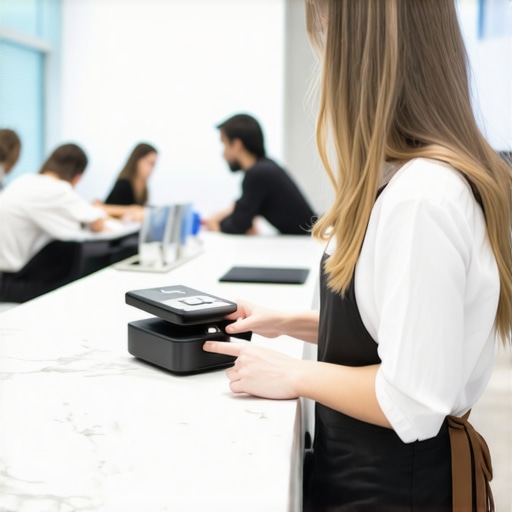
Does your fridge etiquette predict your ability to scale?
It sounds like a stretch, but hear me out. Leadership is about managing shared resources under pressure. If you cannot handle the truth about hot desking without causing friction, you are going to struggle when it is time for the move that helped us scale from 3 to 15 people in six months. The hidden nuance here is visual noise. Just as you would how to vet a meeting room for acoustic privacy before booking to protect your trade secrets, you must curate your physical footprint in the kitchen to protect your reputation.
Curate Your Presence to Avoid the Visual Noise Trap
The oops factor usually hits when a founder treats a shared space like a dorm room, forgetting that the person waiting for the microwave might be their next angel investor. Professionalism needs to be consistent, whether you are in innovative meeting rooms that boost startup creativity or just grabbing a seltzer. If you treat the shared space with the same respect you would give how to handle high stakes board meetings in a shared building 2, the community will treat you like the leader you want to be.I have seen founders who can pitch a VC’s head off but cannot find a working HDMI adapter to save their life. To truly scale, you need a system that doesn’t rely on your memory or the goodwill of a cleaning crew. I swear by the Brother P-Touch Cube for everything from labeling milk to marking my backup chargers. It is a Bluetooth label maker that lets me tag my gear from my phone before I even walk into the kitchen. No more messy handwriting that people ignore. If you are preparing for the move that helped us scale from a garage to 20 desks, you need to stop thinking about these habits as chores and start seeing them as essential infrastructure.
Put Your Shared Space Accountability on Autopilot
When your team grows, the ‘I didn’t know’ excuse becomes a cancer. I started using a simple Trello board shared with my lead devs just to track which conference rooms we’ve vetted for equipment. Nothing kills a high-stakes meeting faster than a missing dongle, so we keep a ‘go-bag’ of adapters in our locker. If you have struggled to how to find a conference room that actually has working adapters, you know that being self-sufficient is the only way to stay professional. Research by the workplace design firm Gensler suggests that high-performance workspaces are those where employees feel a sense of ownership over shared zones, which can reduce cognitive load by up to 15% because you aren’t constantly scanning for threats or messes. 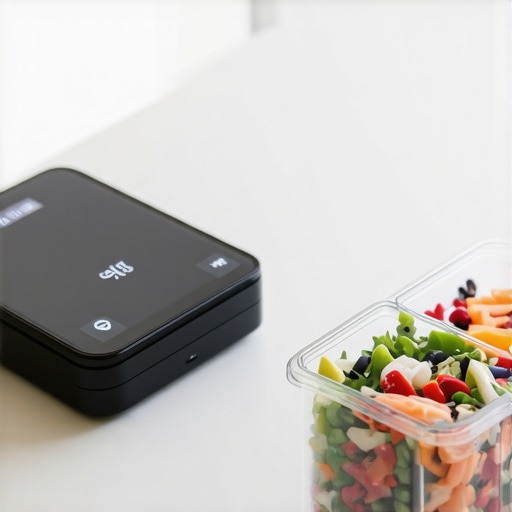
How do I maintain professional standards as my team grows?
It comes down to the ‘Leave it Better’ rule. As you transition from hot desking to the move that helped us scale from 3 to 15 people in six months, your cultural footprint expands. You have to hire people who value the community as much as the code. I make it a point to mentor my new hires on how to manage office politics in a space you dont own right in the first week. We aren’t just renting desks; we are borrowing a reputation. Looking ahead, I predict the next five years will bring ‘AI-Sensed’ kitchens where smart scales in the fridge automatically alert owners when their food is expiring or—God forbid—moving without permission. Until then, we have to rely on character.
The Future of Shared Respect is High-Tech
We are moving toward a world where your digital reputation and your physical behavior in innovative meeting rooms that boost startup creativity are linked. I strongly suggest you try this today: spend ten minutes auditing your current workspace footprint. Are you the person people are excited to see in the hallway, or the one they hope stays in their private suite? My challenge to you is to pick up one piece of trash that isn’t yours and label one item that currently isn’t. It sounds small, but this is how you unlock networking opportunities in top coworking environments—by being the person who cares when nobody is watching.
Why Your Tupperware Habits Reveal Your Leadership Potential
Over the years, I’ve realized that the way someone handles a communal fridge is a perfect proxy for how they handle a complex project. It’s about the micro-decisions that build a culture of trust. Here are the lightbulb moments that changed my perspective on office harmony:
- Respect is a scalable asset. If you can’t respect a colleague’s $8 salad, you’ll struggle to respect their intellectual property during the move to shared offices. Integrity starts in the lunchroom.
- Visual noise is a productivity killer. Just as why boring office furniture is draining your teams creative energy, a cluttered, sticky kitchen area drains the collective focus of the whole hub. A clean space is a clear mind.
- Small gestures create massive social capital. Refilling the ice tray or wiping down a shared counter makes you a ‘culture add’ rather than just a tenant. People remember the person who made their morning easier.
Tools That Keep My Professionalism on Autopilot
You don’t need a lot of gear to be the most respected person in the building, but these three items have been essential for my daily workflow in high-pressure environments:
- The Bluetooth Label Maker: I swear by the Brother P-Touch Cube. Clear, printed labels stop ‘accidental’ food theft better than any marker scrawl ever could. It establishes clear boundaries immediately.
- A Personal ‘Kitchen Tech’ Bag: I keep my own reusable cutlery and a small bottle of high-end dish soap. It sounds extra, but it ensures I never contribute to the sink pile-up and can handle my own needs without relying on shared supplies.
- Reliable Connectivity Tools: Since I often have to how to find a conference room that actually has working adapters, I keep my own set of dongles and chargers. This self-sufficiency keeps me out of the ‘shared supply’ scramble and maintains my professional image.
#IMAGE_PLACEHOLDER_E#
Transform Your Daily Routine into a Competitive Advantage
At the end of the day, your behavior in the breakroom is a core part of your professional brand. Whether you are navigating the truth about hot desking or preparing for a major funding round, consistency in how you treat your environment is what builds long-term trust. When you treat your coworking space with care, you signal to everyone—investors, mentors, and future hires—that you are a leader who pays attention to the details that matter. Don’t let a messy lunch define your career; use every interaction as a chance to show you’ve got it handled. Have you ever had a ‘fridge moment’ that completely changed your opinion of a colleague or business partner? Let me know in the comments!