

I was three hours deep into a coding sprint that felt like it was finally going somewhere. Then, he sat down. A “visionary” founder, apparently, who felt the entire floor needed to hear his thoughts on “disruptive synergy” and his upcoming ski trip. I tried the passive-aggressive sigh. I tried the noise-canceling headphones. I even tried staring at my screen so hard I thought I might burn a hole through the pixels. Nothing worked. It wasn’t just about the decibels; it was about the paralyzing awkwardness of being *that* person who tells someone to pipe down. We’ve all been there—trapped between our need for focus and our desire to not be the office villain. [image_placeholder_1]
The Real Price of Staying Silent
For a long time, I thought “handling it” meant either suffering in silence or moving my entire setup to a different floor. Early in my career, I made a massive mistake: I actually canceled a membership at a fantastic hub because I couldn’t handle one loud talker. I didn’t say a word to him; I just left. It cost me a $400 deposit and weeks of momentum. I realized later that I wasn’t being polite; I was being a martyr. The truth is, silence isn’t just a luxury; it’s a requirement for deep work. According to a landmark study by the University of California, Irvine, it takes an average of 23 minutes and 15 seconds to return to your original task after being interrupted. If your neighbor is taking “quick” calls every half hour, you aren’t just annoyed—you’re literally losing hours of your life. Learning the etiquette of taking private calls in a public coworking zone is a two-way street, and today, I’m going to show you how to navigate it without a single cringe-worthy moment.
Is a quiet workspace actually too much to ask for?
I get it. You’re worried that if you speak up, you’ll be labeled as “not a team player” or “too high-strung.” In the world of open offices and shared hubs, we are often told to embrace the buzz. But there is a massive line between creative energy and pure chaos. I’ve found that most people aren’t trying to be jerks; they just haven’t read the 7 signs you are the loud person in the shared workspace hub yet. They genuinely don’t realize their “low” voice is carrying across three rows of desks. Have you ever felt like you were the only one bothered by the noise while everyone else seemed to just… deal with it? Drop a comment and tell me I’m not alone here.
Stop Being the Victim of Someone Else’s Volume
My goal today is to give you a script and a strategy. We aren’t going to start a war over a shared fridge or file a formal complaint with the landlord. Instead, we’re going to use the same soft skills you’d use for a high-stakes pitch. If you know how to handle a loud phone talker when you have no private office, you can save your sanity and your professional reputation. We’re going to walk through the “friendly nudge” technique and identify when it’s actually time to involve a community manager. Before we dive into the practical steps, ask yourself: Are you avoiding the conversation because you’re being nice, or because you’re afraid? Let’s fix that together.
Stop the Noise with the Three-Second Rule
When someone is disrupting your flow, the longer you wait to act, the more resentment builds. I call this the three-second rule: the moment you realize a conversation is moving from ‘quick update’ to ‘full-blown meeting at the communal table,’ you have three seconds to intervene before it becomes awkward. I remember a Tuesday in a bustling hub in Austin. A guy two desks over was practically yelling through a series of cold calls. My heart was racing, and I was about to pack my bags in a huff. Instead, I stood up, walked over, and whispered, ‘Hey, I don’t want to interrupt, but your voice carries so well that I can hear your client’s budget details. You might want to grab a booth for some privacy.’ He looked horrified, thanked me profusely, and moved immediately. By framing the interruption as a way to protect his professional reputation, I avoided the role of the ‘shushing librarian.’ 
Protect Their Privacy to Save Your Focus
This ‘Privacy Frame’ is your most powerful weapon. People are naturally defensive when told they are being annoying, but they are incredibly grateful when they think you are helping them keep a secret. This is a core part of how to handle a loud phone talker when you have no private office. You aren’t complaining; you’re consulting. If you notice a team consistently holding loud stand-ups in the lounge, suggest they check out how to vet a meeting room for acoustic privacy before booking so their strategy stays within their team.
Redirect Disruptive Energy to Better Zones
Sometimes the problem isn’t the person; it’s the lack of awareness about the space’s layout. If you are in a startup environment, you need to treat the office like a living organism. When a conversation gets too heated or loud, use the ‘Physical Pivot.’ Point out a nearby resource: ‘Hey guys, I love the energy, but I’m struggling to finish this code. Have you checked if the conference room is open? It’s got the acoustics hack for crystal-clear client pitches that might help your call anyway.’ This moves the problem without making it personal.
Navigate the Social Minefield of Shared Offices
Dealing with noise is essentially a crash course in how to manage office politics in a space you don’t own. You have to be a diplomat without a country. If the gentle nudge doesn’t work after two attempts, it’s time for the ‘Third-Party Buffer.’ This is where you involve the community manager, but again, with a specific script. Instead of saying ‘John is too loud,’ say ‘I’ve noticed that this specific corner of the desk bank gets a lot of voice carry. Is there a way we can reinforce the why quiet zones are the most important part of any workspace policy here?’ This puts the burden on the management to enforce the rules they’ve already set.
Audit Your Environment Before You Commit
If you find yourself constantly battling noise, you might be in a space designed for ‘vibe’ over ‘value.’ Before signing your next membership or lease, you should look for 7 non-obvious signs a coworking space is too loud for deep work. Look for soft surfaces, high-backed booths, and a culture that respects the ‘headphones-on’ signal. I once ignored a lack of rugs in a high-ceilinged loft because the coffee was great, and I paid for it with a month of shattered productivity. Don’t let a aesthetic distract you from the functional necessity of silence.
Most founders believe that to impress a VC or a potential hire, you need the biggest, glossiest boardroom available. It’s a classic rookie move that I’ve seen backfire more times than I can count. I’ve watched teams of three sitting at a table designed for twenty, where the physical distance literally kills the collaborative spark. In my experience, intimacy breeds urgency, while vast spaces breed hesitation. Instead of hunting for the most impressive mahogany table, you should follow the two-pizza rule for booking the right size meeting room. If the group is too big to be fed by two pizzas, the meeting is too large—and the room will feel like a cold, empty cavern that swallows your energy. Have you ever fallen into this trap of over-booking space to look ‘professional’? Let me know in the comments.
Does ceiling height actually change how you think?
It sounds like pseudoscience, but the connection between architecture and cognition is a hidden nuance that seasoned founders use to their advantage. A landmark study published by the Association for Psychological Science suggests that high ceilings encourage ‘abstract’ thinking—the kind of big-picture brainstorming startups need for their first pivot. Conversely, lower ceilings are better for ‘concrete’ detail-oriented tasks like debugging or accounting. This is exactly why your team is more creative in a room with high ceilings. If you’re trying to disrupt an entire industry while sitting in a room with eight-foot drops, you are literally fighting your own brain’s hardwiring.

The invisible red flags of a bad booking
The most common ‘oops’ factor in the coworking world isn’t a bad Wi-Fi connection; it’s ignoring the sensory details that kill a deal before you even open your laptop. I once flew a client in for a high-stakes demo, only to realize the reserved room smelled like a damp basement. It is impossible to sell a ‘cloud-based future’ when the physical present smells like 1984. You have to learn how to pick a meeting room that doesn’t smell like old carpet before you ever send an invite. Beyond the smell, there is the technical trap. I frequently see people struggle with the problem with bring your own device in shared meeting rooms. If you don’t have the right proprietary adapter, your ‘disruptive’ pitch ends with three executives hovering over a 13-inch laptop screen. Knowing the trick to fixing a flickering projector in under thirty seconds can save your reputation in a pinch, but vetting the tech compatibility forty-eight hours in advance is what separates the pros from the amateurs.
Pack Your Digital Survival Kit Like a Pro
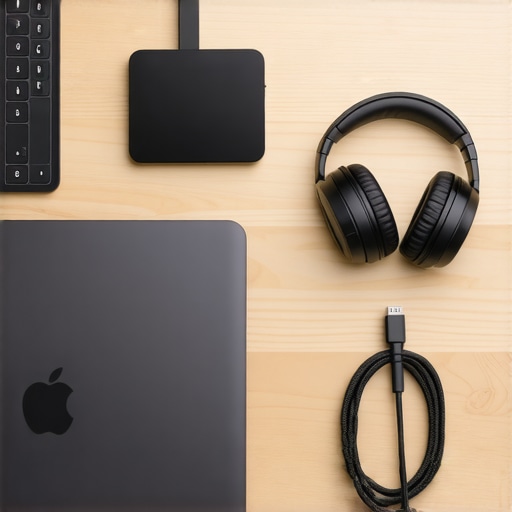
I’ve spent the better part of a decade working out of bags, and if there is one thing I’ve learned, it’s that you cannot rely on a shared space to have the right gear. I carry a specific 7-in-1 USB-C hub that has saved me more times than I can count. It’s the difference between a seamless presentation and a sweaty-palmed search for a conference room that actually has working adapters. I also never travel without a 10-foot braided charging cable because the most ergonomic seat is always exactly two feet further from the outlet than you think. In fact, I’ve found that your laptop charger is the best networking tool you own; offering a quick charge to a neighbor is a far more natural icebreaker than an awkward elevator pitch in the lobby.
How do I keep my workflow sharp as the office gets busier?
Maintenance isn’t just about gear; it’s about controlling your immediate environment. According to the International WELL Building Institute, the implementation of sound masking systems (S05) can significantly reduce the ‘distraction distance’ in open offices. While you can’t install a commercial-grade sound system in a space you don’t own, you can replicate this by using a dedicated brown noise app. Unlike high-pitched white noise, brown noise has a lower frequency that mimics the rumble of a plane or a distant thunderstorm, which is scientifically proven to be less fatiguing over an eight-hour shift. This is my secret weapon for staying in the zone when the communal kitchen starts to sound like a high school cafeteria.
Scaling Beyond the Hot Desk Without Losing Your Soul
Eventually, the hustle of finding a new spot every morning becomes a drag on your growth. I remember the exact moment we realized we needed to change: we were trying to interview a senior developer, and we had to do it in a hallway because all the phone booths were full. That was the catalyst for the move that helped us scale from 3 to 15 people in six months. You have to know when to jump from a hot desk to a private suite. It’s not just about more chairs; it’s about creating a ‘home base’ where your culture can actually take root. When you finally transition, remember that a private door doesn’t solve everything. You still need to establish ‘room rules’ to ensure your internal meetings don’t become the noise you once hated. This is why learning how to maximize productivity in your startup’s conference rooms is the next level of the game. For those of you nearing this tipping point, I highly recommend checking out the checklist for moving your startup into its first real office before you sign anything.
The Future of Where We Gather
I predict we are moving toward ‘sensor-rich’ environments. Soon, you won’t just book a room; your app will tell you which room has the best air quality and the lowest decibel levels based on real-time data. This shift is already starting to redefine the future of conference rooms in startup ecosystems. We are moving away from static boxes and toward responsive hubs that adapt to the task at hand. Pro Tip: Before your next big meeting, download a decibel meter app and test three different areas of your hub. You’ll be shocked to find that the ‘quiet’ corner is often louder than the lounge due to HVAC hum. Pick the spot with the lowest consistent floor—not just the one that looks the emptiest.
Why I Stopped Chasing the Most Expensive Boardroom
Looking back, I wasted so much energy trying to find “perfect” meeting rooms when I should have been looking for functional ones. One of the hardest lessons I learned is that a fancy glass wall won’t close a deal for you, but bad acoustics will definitely kill one. I’ve realized that startup success secrets often lie in picking a space based on the energy of the hub rather than the price tag. I used to think I needed a high-rise office to look legitimate, but I found that investors often prefer meeting in a high-energy hub over a quiet cafe because it shows the company is in the thick of the action. Also, don’t overlook the simple things; I found that the exact desk location boosted my productivity by 40 percent just by being twenty feet away from the main coffee machine traffic.
[image_placeholder_final]
The Minimalist Kit That Keeps Me Focused Anywhere
If you want to survive the “open office” era, you need a personal infrastructure that moves with you. First, I always recommend how to use a day pass to test your next potential office before committing to a monthly lease; it’s the only way to check the noise floor during peak hours. My kit always includes a high-quality USB-C hub, a pair of noise-masking earbuds, and a physical notebook to stay off screens when brainstorming. I also suggest reading up on how to choose the perfect conference room for business success so you aren’t guessing when it’s time to book for a VIP client. These aren’t just tools; they are the buffer between your best work and the chaos of a shared environment.
Focus Is the Only Currency That Matters
At the end of the day, your workspace should serve you, not the other way around. Whether you are navigating the truth about hot desking or finally moving into a private suite, remember that your ability to concentrate is your most valuable asset. Don’t be afraid to be the person who asks for quiet or the founder who picks a “scrappy” room because the Wi-Fi is actually reliable. You are building something important, and you deserve an environment that respects that ambition. Go out there, find your zone, and let the noise fade into the background while you build the future. What’s the most distracting thing you’ve ever had to deal with in a shared office? Let me know in the comments below!