

I remember sitting at my kitchen table three years ago, frantically trying to close a $50k deal while my neighbor’s leaf blower roared outside. I’d convinced myself that working from home was the ultimate dream, but between the spotty Wi-Fi and the mounting isolation, my professional momentum was stalling. In a moment of pure panic and desperation for a professional appearance, I signed a 12-month lease for a posh-looking office downtown. Big mistake. Within two weeks, I realized the space had the acoustic privacy of a wet paper bag and the “high-speed” internet was barely faster than dial-up. That expensive blunder taught me that why your first office shouldnt be a 5-year commitment is a lesson best learned before you sign the dotted line. Today, I’m showing you how to treat a simple day pass as your ultimate insurance policy against a bad workspace. [image-placeholder-1]
Stop Committing Before You Have Even Had Coffee There
We often approach office hunting like it’s just a real estate transaction, but in reality, it’s a lot more like a first date. You wouldn’t propose marriage after a five-minute coffee meeting, so why are we committing our teams to year-long contracts based on a twenty-minute tour? Using a day pass is a high-stakes reconnaissance mission. You need to know if those innovative meeting rooms that boost startup creativity are actually usable or if they are just pretty window dressing for prospective members. According to a study by the Harvard Business Review, the physical environment and social density of a workspace can significantly impact employee productivity and long-term satisfaction. This means that why your team is more productive with a change of scenery isn’t just a feel-good mantra—it is a measurable business advantage. Have you ever felt that sinking feeling in your stomach after realizing you’re stuck in a space that just doesn’t fit your workflow?
Is a single day actually enough to judge a whole office?
It is a fair question. You might worry that the staff will be on their best behavior or that you won’t see the “real” environment in such a short window. But here is the truth: you can’t fake a vibe for a full eight hours. By the time the 3:00 PM slump hits, the cracks start to show. You’ll notice if the truth about shared office noise levels is actually a constant hum of distraction or a productive buzz. I’ve made the mistake of ignoring the small signs before, like failing to vet a meeting room for acoustic privacy during my initial visit, and I paid for it with three months of awkward client calls.
The Secret Reconnaissance Mission Hidden in a Day Pass
When I first started exploring the world of shared spaces, I focused on the flashy perks—the free craft beer, the ping-pong tables, and the ergonomic chairs. I completely overlooked the acoustics test every conference room should pass. A day pass allows you to be a fly on the wall. You get to see if the community manager actually solves problems or just hides in the back office when the Wi-Fi goes down. You’re looking for 7 red flags to watch for during a space tour that only become visible after you’ve been sitting there for four hours. It’s about figuring out how to tell if a coworking membership is worth the price by actually living the experience rather than just reading a brochure. By the time you pack up your laptop at 5:00 PM, you’ll know if this is a place where you can actually scale your business or if it’s just another distraction-filled hub.
Put the Wi-Fi Through the Wringer First
You cannot build a modern startup on a connection that hiccups every time someone starts a download in the next room. Most tours will show you a flashy router and promise lightning speeds, but you need to know how to vet a space for high-speed fiber before you sign the contract. I once made the mistake of trusting a verbal promise and ended up with a connection that felt like it was powered by a hamster on a wheel. The hidden drag of slow office wi-fi on your burn rate is real; every minute spent waiting for a page to load is money down the drain. During your day pass, run a speed test at 10:00 AM, 1:00 PM, and 4:00 PM to see how the network handles peak traffic. 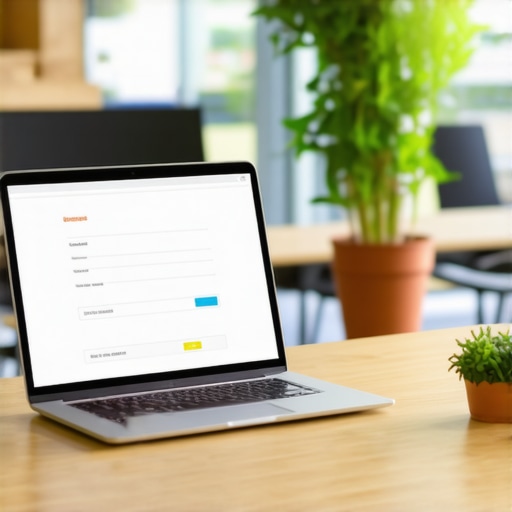
The One-Hour Social Saturation Test
Spend at least sixty minutes in the common area without headphones. You aren’t being nosy; you’re being thorough. You need to know if the truth about shared office noise levels in this specific building involves high-pitched sales calls or respectful collaboration. I once spent an entire day at a space that looked like a library, only to find out at noon that it shared a wall with a CrossFit gym. You need to learn how to spot a toxic coworking vibe in under five minutes by watching how members interact near the coffee machine.
Is Your Private Call Actually Private?
Nothing kills a deal faster than a client hearing your neighbor’s lunch order. While you’re there on a day pass, book a small pod for fifteen minutes. This is your chance to see the difference between a standard meeting room and a real war room. Check the monitors and the dongles—knowing why your pitch deck looks better on a forty-inch screen than a laptop won’t matter if the HDMI cable is frayed and broken.
Why I Stopped Assuming the Tech Just Works
Two years ago, I had a high-stakes investor demo scheduled for 2:00 PM. I had just joined a fancy new hub and assumed everything was plug-and-play. Five minutes before the call, I realized the ‘smart’ TV required a proprietary app that I couldn’t download on my company laptop. I spent the first ten minutes of the pitch fumbling with settings while the investors stared at my forehead. If I had used a day pass to test the room, I would have known how to host a product demo that looks professional on a budget without the technical meltdowns. Now, I always check how to find a quiet meeting room on short notice and I physically test every screen before the big day.
Why Free Beer is a Coworking Productivity Red Flag
Most founders believe that the best coworking space is the one with the most ‘buzz.’ It is a classic rookie mistake. In my experience, ‘buzz’ is often just a fancy word for ‘distraction.’ While the community manager is busy bragging about the weekly happy hours, your lead developer is likely struggling because they can’t find a place to think. This leads us to the truth about free perks you never actually use. If you aren’t careful, you are paying a premium for a communal kitchen you only use to microwave leftovers while ignoring the fact that why developers need quiet zones to reach deep flow is the real driver of your product roadmap. Research by Oxford Economics suggests that the ability to focus without interruption is the single most important factor in employee engagement, yet it is the one thing most ‘trendy’ spaces sacrifice for aesthetic open plans.
Can you really build a company culture in a space you don’t own?
It is the question that keeps many seed-stage founders up at night. They worry that their team will blend into the ‘generic startup’ wallpaper. But here is the nuance: culture is not about the logo on the front door; it is about the rituals you create within the walls. I’ve seen teams flourish by learning how to build a company culture when half the team is remote while using a shared hub as their anchor. The trap is not the shared space itself; it is failing to navigate the social dynamics. You have to learn how to manage office politics in a space you don’t own so your team feels like they belong to you, not the building.
Don’t Get Blinded by the Infinite Flexibility Lie
Finally, do not let the word ‘flexible’ lull you into a false sense of security. The industry loves to tout month-to-month terms, but the truth about flexible membership cancellation policies is that they often hide 60 or 90-day notice periods that can sting if you need to pivot fast. When you are looking at how to pick a membership tier that scales with your team, look past the sticker price. Think about the logistics of scaling a hybrid team without a corporate hq—it requires a partner, not just a landlord. Your physical space is more than a line item; it is a strategic asset. Even in a remote-first era, why your brand needs a physical touchpoint even in a digital world remains a fundamental truth of human-centric business. Have you ever fallen into this trap? Let me know in the comments.
Stop Relying on the House Hardware
Once you’ve moved past the initial ‘tour phase,’ the real work begins. I’ve found that the biggest threat to long-term productivity isn’t the lack of free coffee—it is the subtle degradation of your tech setup. I never walk into a shared space expecting their infrastructure to be perfect. Instead, I carry a ‘Coworking Survival Kit.’ This isn’t just about cables; it’s about maintaining your physical health. For instance, I’ve learned the hard way that the exact chair you need for a 12-hour coding sprint isn’t always the one provided in the common area. I personally use a portable lumbar support cushion and a vertical mouse to prevent the wrist fatigue that plagued my first year as a founder. We even made sure our private office suites stock extra surface pro chargers for members because losing a day of work to a forgotten brick is a mistake no one should make twice.
Fix Your Audio Before the Client Complains
Sound is the silent killer of professional credibility. Sound expert Julian Treasure, author of Sound Business, famously noted that ‘noise in open-plan offices can reduce productivity by up to 66%.’ When you are in a shared environment, you have to be proactive. I don’t just rely on my headphones; I use software-level noise suppression and occasionally my own portable acoustic baffles if I’m recording a podcast in a glass-walled room. Understanding the acoustic fix for echoey conference rooms can be as simple as choosing a room with more soft surfaces or knowing how to manage noise complaints in a shared workspace before they escalate into a conflict with your desk neighbor.

How do I keep my workflow sharp after the honeymoon phase ends?
The key to longevity in a flex-space is the ‘Friday Audit.’ Every Friday at 4:00 PM, I evaluate whether the space still serves my team’s current needs. Are we outgrowing our current desk cluster? Is the communal noise becoming a distraction? By treating the logistics of scaling a hybrid team without a corporate hq as a weekly operational task rather than a ‘set it and forget it’ decision, you avoid the stagnation that kills startups. I also take this time to look at how to maximize productivity in your startups conference rooms by 0245 pm, ensuring our afternoon sessions aren’t just becoming expensive nap times.
The Future is Context-Aware Meeting Spaces
Looking ahead, I predict we are moving toward ‘living offices’ that utilize AI to optimize the environment in real-time. We’re already seeing the beginnings of the future of conference rooms in startup ecosystems, where rooms will automatically adjust lighting based on the circadian rhythms of the team or dampen specific frequencies of background noise during high-stakes pitches. This isn’t sci-fi; it’s the logical next step for workspaces that prioritize human output over square footage. My advice? Try this: Next time you book a room, arrive 10 minutes early and run a 30-second audio recording from your phone at the far end of the table to check the reverb—your clients will thank you for the professional clarity.
The Reality Check Most Founders Skip
Looking back at my first office disaster, the biggest takeaway wasn’t just about the money; it was about the mental energy wasted on a space that fought against me every day. Here is what I’ve learned through trial and error: First, never trust the empty room. A perfect conference room might look great at 9:00 AM but feel like a fishbowl by noon. Second, the coffee isn’t the perk—the people are. If the members don’t look up from their laptops to smile, you aren’t in a community; you’re in a warehouse for humans. Finally, always check how to spot a bad coworking community before joining by asking a current member what they hate most about the building. Their honesty will save you months of frustration.
A Few Tools to Keep You Sane and Productive
I don’t go anywhere without my survival kit. If you’re serious about this, I recommend picking up a high-quality portable lumbar support—because let’s be honest, even the exact chair you need for a 12-hour coding sprint isn’t always the one they provide for day-passers. I also swear by software-based noise gate apps for those unavoidable echoes during client calls. For those looking to dive deeper into office psychology, read Cal Newport’s Deep Work; it will change how you view open-plan offices forever. If you are ready to make the jump, checking out the logistics of moving your startup to a professional space is a great next step.
Your Startup Deserves a Space That Works
Finding the right home for your business is a marathon, not a sprint. Don’t feel pressured by a slick sales pitch or a limited-time discount. By taking the time to test-drive your options with a day pass, you are protecting your burn rate and your sanity. Choosing the right coworking environment is one of the first major cultural decisions you’ll make for your team—make it a good one. There is a world of difference between a place where you merely work and a place where your business actually grows. Why founders are choosing memberships over long-term leases is clear: the freedom to pivot is the ultimate competitive advantage. What’s the one ‘deal-breaker’ that would make you walk out of a workspace immediately? Drop your horror stories or your must-have perks in the comments below!