

I still cringe thinking about the first official tour I gave at my first tech startup. I was sweating, juggling three different keys, and I spent ten minutes explaining how the dishwasher worked while completely forgetting to show the new lead developer where the quiet zones for deep flow were. I thought I was being thorough. In reality, I was just being a tour guide for a kitchen. The poor guy looked exhausted before he’d even opened his laptop. That was my lightbulb moment: the way you introduce a human being to their new physical environment dictates exactly how they are going to show up for work on Monday morning. If you treat the office like a set of coordinates, they’ll treat the job like a set of tasks. But if you treat it like a community, they’ll treat it like a home. Today, we are going to fix your walk-through so your new hires feel like insiders from minute one.
Your Office Tour Is Actually a Culture Test
We often get caught up in the specs—the square footage, the ergonomic chairs, or the fact that we finally swapped Slack for physical brainstorming. But your new hire doesn’t care about the lease terms. They care about belonging. They want to know where they can hide when they need to focus and where they can find a private phone booth for those mid-day personal calls. When I started out, I made the mistake of assuming people would just figure it out. I was wrong. I once had a junior designer go three weeks without knowing how to book a meeting room because she was too embarrassed to ask. That’s a failure of leadership, not a lack of initiative. We’re going to walk through the exact checklist that prevents that friction.
Does a simple walk-through really change anything?
You might think I’m overthinking a simple stroll around the building. It’s just a desk and a chair, right? Not quite. According to research from the Society for Human Resource Management (SHRM), organizations with a strong onboarding process—which includes environmental socialization—improve new hire retention by 82%. If a person feels like they are trespassing for the first three days, you’ve already lost the engagement battle. If they don’t know how to handle the noise problem or where the “real” culture happens, they’ll stay in their shell. Have you ever started a new job and felt like an intruder because no one showed you the little things, like the casual coffee machine chat etiquette? It’s time to stop that cycle and start building a space where your team actually wants to be.
The Three-Pillar Walkthrough That Actually Sticks
To stop the ‘new hire daze,’ you need to treat the tour like a survival guide, not a museum walk. You are providing the keys to the kingdom. Start with the people, move to the utilities, and end with the high-stakes zones. I once forgot to introduce a new developer to the person sitting right next to him. For three days, they sat in awkward silence, both thinking the other was rude. It turns out, they were just waiting for permission to speak. Your job is to give that permission.
The Community Manager Is Your New Hire’s GPS
The first stop isn’t the desk; it’s the front desk. You need to explain the role of community managers immediately. They are the gatekeepers of everything from mail to local gossip. If your new hire knows the manager’s name, they have a lifeline when you are stuck in a board meeting. It is the difference between feeling like a guest and feeling like an owner.
Why High-Quality Coffee Is a Productivity Baseline
It sounds like a cliché, but why high-quality coffee is more than just a perk becomes very clear when the 3 PM slump hits. Don’t just point at the machine. Show them how it works. I have seen grown adults stand in front of a bean-to-cup machine for five minutes, terrified of breaking it, before walking away empty-handed. This is about removing micro-stressors. If they cannot handle the coffee, they will not feel comfortable handling a client.
Stop Losing Time to Meeting Room Confusion
This is the biggest friction point in any startup. You must show them how to book a meeting room in under sixty seconds. I once worked at a place where the booking system was so cryptic that people just ‘squatted’ in empty rooms. I had a team lead walk in on a sensitive interview because he did not realize the room was reserved. It was embarrassing and unprofessional. 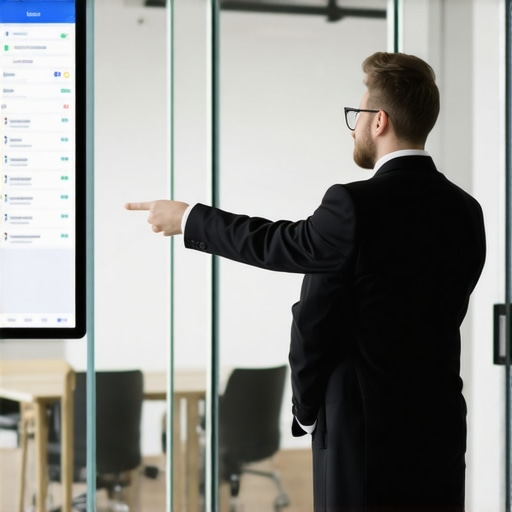 While you are at it, explain the logic behind the rooms. Show them that why your meeting room layout is killing participation is a real thing—point out the whiteboards, the AV setup, and the quiet nooks.
Show Them Where the High-Stakes Business Happens
Eventually, your hire will need to present an idea or meet an outsider. Take them to the ‘power rooms.’ Explain why investors prefer meeting in professional settings rather than the noisy lounge. By showing them how to choose the perfect conference room for business success, you are giving them the tools to win. You are not just showing them a table; you are showing them where they are going to help you grow the company.
Stop Obsessing Over the Cool Amenities
Everyone tells you that the neon signs, bean bag chairs, and artisanal snack bars are what win over new talent. In my experience, that is total nonsense. A fancy lounge doesn’t help a new hire feel comfortable; knowing exactly where the boundaries are does. The ‘wow factor’ wears off by lunchtime on day two, but the frustration of not knowing how to tell if a coworking membership is worth the price in terms of actual utility remains. The biggest nuance people miss is that a new hire is looking for ‘psychological anchors’—specific spots where they know they won’t be interrupted. If you spend your tour pointing out the beer tap but forget to mention the truth about shared office noise levels in the library zone, you are setting them up for a week of unproductive stress. Have you ever fallen into this trap of over-selling the perks and under-explaining the workflow? Let me know in the comments.
The Glass Wall Trap Is Real
Here is the ‘oops’ factor that most founders ignore until it is too late: the obsession with transparency. We love the look of glass-walled meeting rooms, but they are often a productivity nightmare. I have seen entire teams lose focus because they feel like they are on display in a fishbowl. This is why I always argue that why your startup needs a real door, not just a glass wall is a hill worth dying on for deep-work culture. If your space is all glass, you must show your new hire how to keep your startup’s trade secrets in an open office, such as using privacy screens or booking the ‘opaque’ rooms for sensitive sessions. A study from the University of California, Irvine, found that it takes an average of 23 minutes to regain focus after a distraction; every time a new hire looks up because someone walked past their glass ‘pod,’ you are burning money.
How do I keep my team from hating hybrid meetings?
If your tour doesn’t include a technical run-through of the AV gear, you are failing. The fastest way to make a new hire feel like an outsider is to let them struggle with a ‘no signal’ screen while a remote VP watches in silence. You need to teach them how to stop your team from hating hybrid meetings by mastering the hardware on day one. 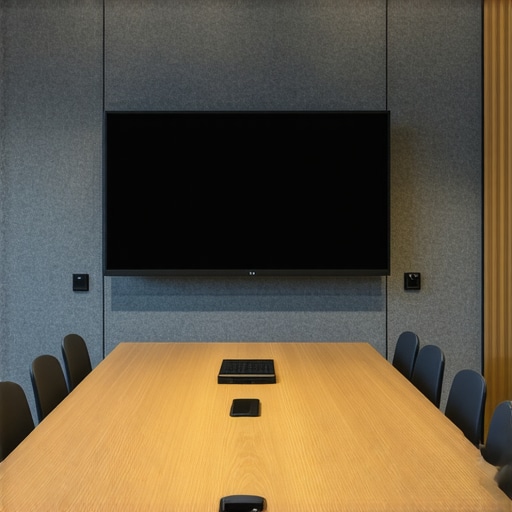 Point out the small details, like the acoustic fix for echoey conference rooms—perhaps it is just a specific corner of the room that catches the mic better. These tiny, expert-level tips prove that you actually work in the space, rather than just leasing it. Show them that you value their time enough to remove the friction before they even feel it.
Why the Right Gear Saves Your Reputation
I have a rule: if a piece of tech takes more than two minutes to explain, it is garbage. When you are scaling, you don’t need a spaceship; you need tools that just work while you are busy choosing an office that supports your scaling speed. I personally swear by the Jabra Speak series for any small meeting room. Why? Because laptop microphones are the enemy of professionality. I have watched potential deals crumble because the founder sounded like they were calling from inside a tin can. If you want to impress, you need the exact lighting setup for professional video pitches and audio that doesn’t drop. Before you sign any papers, make sure you know how to vet a space for high-speed fiber, because even the best mic cannot save you from a laggy connection. I once lost a pitch because the ‘premium’ office I was in had a dead zone in the corner of the boardroom. Never again. Check the hardware before you check the view.
How do I keep the workspace culture alive during rapid growth?
This is the million-dollar question. As you add people, the ‘family’ vibe starts to drift toward ‘corporate.’ The fix isn’t more bean bags; it is intentionality. You need to know how to pick a membership that scales with your team’s size without locking you into a five-year death warrant. I always tell founders that why membership flexibility is more important than square footage becomes obvious the moment you pivot your business model. If you are stuck in a rigid lease, you are less agile. If you are in a flexible space, you can unlock networking opportunities in top coworking environments that simply do not exist in a private silo. It is about keeping the friction low and the serendipity high. 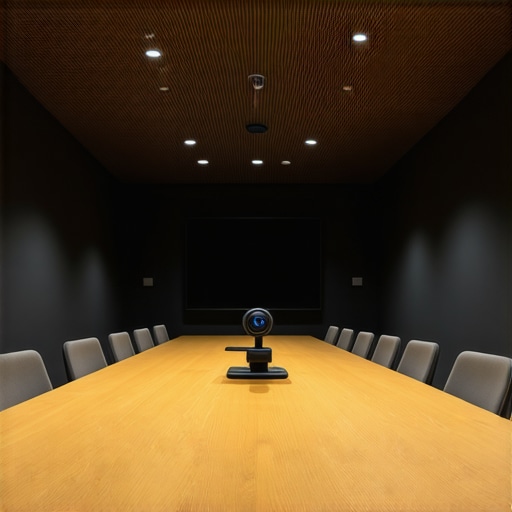
The Future Is Not Where You Think It Is
We are moving away from the ‘everyone in the city center’ model. I am seeing a massive shift where why suburban flex spaces are the new downtown office is becoming the reality for high-performing teams. According to the Gartner 2024 Digital Worker Experience Survey, 47% of employees struggle with findability—specifically finding the tools or spaces they need to do their jobs effectively. This tells me that the future of conference rooms in startup ecosystems will be defined by ‘smart occupancy’—systems that tell you where your team is and where the quiet spots are before you even leave your house. We are entering an era of data-driven spatial management. My prediction? In five years, your office will ‘breathe’ with your team, automatically adjusting lighting, temperature, and even desk availability based on your Slack status. My challenge to you: Tomorrow, instead of jumping straight into your first meeting, do a ‘five-minute tech dry-run’ with your newest hire. Show them the physical mute button on the hardware, not just the software. It builds more confidence than any welcome email ever could.
The Subtle Nuance of Office Culture I Missed for Years
Looking back, I realized that the best spaces aren’t defined by their architecture, but by the lack of friction they impose on the humans inside them. I used to think the ‘cool’ factor was the primary driver of talent, but I was wrong. The real driver is psychological safety. When you show a new hire the exact corner where they can take a private breath, you are giving them the secret to making a great first impression on their own terms. I’ve learned that a quiet developer is usually just a developer who hasn’t been shown the quiet zone yet. Don’t let your team struggle with the simple stuff; empower them by being their guide to the unspoken rules of the floor.
My Essential Kit for a Frictionless Hybrid Office
To keep things running smoothly, I’ve curated a few go-to resources that I recommend to every founder I mentor. First, always focus on how to maximize productivity in your startup’s conference rooms by investing in reliable, one-touch hardware that eliminates the ‘can you hear me’ dance. I also suggest keeping a physical ‘Welcome Map’ that marks out things like the best lunch spots and the specific desks with the strongest Wi-Fi signal. If you are still in the hunting phase, learn how to pick an office that fits your startup’s growth pace so you aren’t stuck with a layout that stops working in six months. These tools aren’t just luxuries; they are the infrastructure of a healthy culture.
Build a Space Where Your Team Actually Shows Up
Your office is more than a lease; it is the physical manifestation of your company’s mission. Whether you are using shared meeting rooms or a private suite, the goal is the same: to create an environment where work feels like a choice, not a chore. By integrating innovative meeting rooms that boost startup creativity, you give your team the canvas they need to build your vision. Your role as a leader is to ensure that your startup uses every square inch of its coworking or private space to foster belonging rather than just occupancy. Remember, you aren’t just renting desks; you are building the foundation of your legacy. Have you ever had a workspace ‘fail’ during a new hire’s first week? Let me know your stories in the comments below.