

I sat there, watching the loading wheel spin like a digital noose. My potential investor was staring at a frozen slide of our growth projections while I frantically toggled my laptop’s Wi-Fi. It was humiliating. But more than that, it was a wake-up call. I realized that day that our ‘cost-saving’ internet plan was actually a massive drain on our resources. We were literally paying people to wait for pages to load. [image]
The Invisible Tax You Never Put in the Spreadsheet
Most founders I know obsess over every line item in their monthly budget. We haggle over the price of the coffee beans and the square footage of our coworking desks, but we rarely look at the network speed until something breaks. I made the classic mistake of assuming that any professional space would have ‘good enough’ internet. I was wrong. The reality is that slow Wi-Fi is a silent killer of momentum. When your team has to jump through hoops just to hop on a call, you aren’t just losing time—you’re losing the flow state that makes startups successful. This is one of those hidden costs of running a startup that can quietly double your burn rate if you aren’t careful. Today, I want to show you how to identify this drag before it tanks your next big meeting. Have you ever felt that sinking feeling when your connection drops right as you’re about to close a deal?
Is High-Speed Fiber Really Necessary for a Small Team?
You might think that for a team of five, basic broadband is fine. But according to data from a study by Sandisk, slow internet can cost a business up to one week of productivity per year per employee. When you multiply that by a developer’s salary, the ‘savings’ of a cheaper office space vanish instantly. This is why I now tell everyone they need to vet a space for high-speed fiber before they even think about signing a contract. If you’re currently struggling with the same issues we faced when home Wi-Fi was failing our Zoom presentations, it’s time to take a hard look at your infrastructure. Let’s dive into why your current setup is probably costing you more than you think.
Audit Your Bandwidth Like a CTO
To stop the bleeding, you need to treat your internet connection like your financial runway—if it’s inconsistent, the whole venture is at risk. Most founders make the mistake of running a single speed test during their initial tour and calling it a day. That is a recipe for disaster. I remember testing a ‘premium’ space in the city center where the speed looked blazing at 9:00 AM, but by 2:00 PM, the latency was so high my cursor lagged across the screen during a live demo. I looked like I was working on a 56k modem while pitching a SaaS product. You have to verify that the infrastructure can handle the ‘lunchtime crunch’ when everyone in the building is streaming or jumping on calls simultaneously. This is why having the checklist for a glitch-free product launch event is non-negotiable before you commit to a long-term desk. 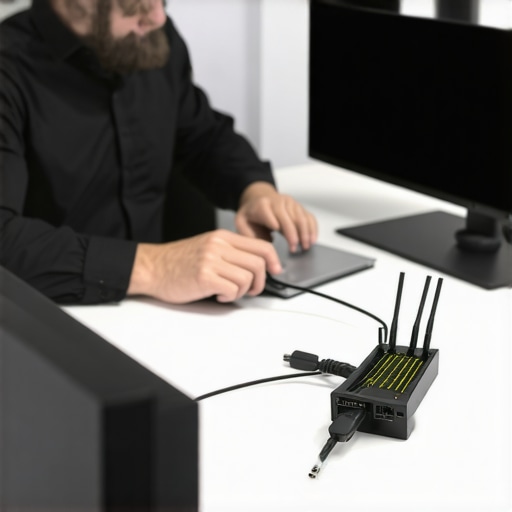
Stress Test During Peak Hours
Don’t just check the download speed; look at the ping and the jitter. If your ping is over 50ms in a professional environment, you’re going to have issues with VoIP and video conferencing. When I was vetting our current hub, I stayed for four hours before signing anything. I ran a continuous ping test while my lead dev pushed a massive commit to GitHub. We found that the ‘guest’ network was throttled to the point of being useless, which pushed us to negotiate a dedicated VLAN. If you’re curious about the technical bar you should set, you should always vet a space for high-speed fiber using real-world stress tests rather than marketing brochures.
Hardwire Whenever Humanly Possible
Wi-Fi is a convenience, but Ethernet is a necessity for high-stakes moments. In my experience, even the best mesh systems in a crowded building struggle with signal interference. Whenever we have an investor call, we move to a space where we can physically plug in. It’s a simple fix that eliminates 90% of ‘can you hear me now?’ moments. This is why the difference between a standard meeting room and a real war room often comes down to a single blue cable tucked under the table.
Build a Tech Stack That Does Not Falter
Your infrastructure isn’t just about the wires in the wall; it’s about the hardware you bring into the room. If you are still relying on your laptop’s built-in webcam and mic for a seed-round pitch, you are doing yourself a disservice.
Demand Redundancy in Your Membership
A single point of failure is a death sentence. Ask the community manager what happens if the primary fiber line gets cut. Do they have a secondary ISP? A professional space should have an automated failover system. When our primary provider went down last quarter, our hub switched to a secondary microwave link so fast that our Zoom call didn’t even drop. That’s the level of reliability you need to pick a membership tier that scales with your team effectively.
Choose the Right Environment for High-Stakes Calls
Not all rooms are created equal. You need to ensure the space has passed the acoustics test every conference room should pass. I once lost a potential hire because the ‘private’ room I booked had glass walls so thin they could hear the ping-pong tournament happening in the lounge. It looked unprofessional and signaled that we didn’t value privacy. Remember, why your pitch deck looks better on a forty-inch screen than a laptop isn’t just about size—it’s about the perceived authority and stability of your setup.I’ve seen too many founders fall for the ‘look’ of a workspace rather than its functional utility. Everyone tells you that transparency is the ultimate value for a startup, so you book the gorgeous glass-walled fishbowl in the center of the hub. But here is the contrarian truth: Total transparency is often a massive liability during a fundraise. When you are discussing a bridge round or a sensitive pivot, you don’t want the whole coworking floor watching your facial expressions or reading your scribbles. I learned this the hard way when a competitor—who happened to be sitting three desks away—saw our roadmap through the glass. This is exactly why your meeting room needs to be more than just a table; it needs to be a secure vault for your intellectual property. 
Is Your ‘Open Culture’ Actually Killing Your Confidentiality?
A landmark study by the University of Sydney found that ‘lack of sound privacy’ was the single biggest drain on employee satisfaction in open-plan and shared environments. We often mistake ‘accessible’ for ‘effective.’ If you cannot have a blunt conversation about your burn rate without whispering, you are in the wrong room. You need to proactively learn how to handle a sensitive HR meeting in a shared space before the need arises, not while you’re in the middle of a crisis. One ‘oops’ factor I see constantly is the booking-lag trap. You find a great space, but the software is so convoluted that by the time you’ve secured a room for an impromptu client call, the lead has already gone cold. This is where how to book a meeting room in under sixty seconds becomes a genuine competitive advantage. If the friction to get into a quiet space is too high, your team will just take the call at their desks, polluting the environment and likely triggering noise complaints in a shared workspace. Stop looking for just a chair and a desk; look for a space that has already passed the acoustics test every conference room should pass. I once saw a founder lose a $50k contract because the echo in his ‘premium’ room made him sound like he was calling from an empty warehouse. Understanding why your pitch deck won’t save you from a noisy meeting space is a lesson you don’t want to learn during a live demo. Have you ever fallen into this trap? Let me know in the comments.I used to think that once we found a decent coworking spot, my job was done. I was wrong. The equipment provided by a building manager is just a baseline, not the gold standard. If you want to truly compete, you need to carry your own performance kit. For us, that means a dedicated omnidirectional microphone and a high-end webcam that handles low light—because let’s face it, some of the best quiet rooms are tucked away in dimly lit corners. I personally swear by the Jabra Speak series; it has saved more than one investor call from the dreaded echo of a hollow room. This is why your conference room needs better technology and fewer cables if you want to stay agile. We also keep a stash of extra peripherals handy in our bag. It sounds small, but why our private office suites stock extra surface pro chargers for members is a testament to the fact that a dead battery can kill a multi-million dollar opportunity faster than a bad pitch. 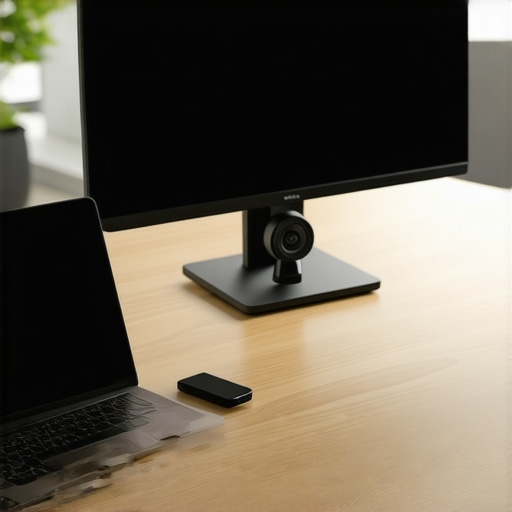
How do I maintain high meeting standards as the team grows?
Maintenance isn’t just about fixing broken chairs; it’s about preserving a culture of technical excellence. As we scaled, I implemented a mandatory two-minute tech check before every high-stakes call. We verify the upload speed, test the mic gain, and ensure the lighting doesn’t make the CEO look like a silhouette in a witness protection program. You’d be surprised how often how to maximize productivity in your startups conference rooms comes down to these boring, repetitive rituals. According to a recent report by Gartner on Meeting Equity, nearly 40% of hybrid employees feel less engaged when they cannot see or hear the physical room clearly. That’s a massive failure rate you simply can’t afford. If you are hunting for startup success secrets choosing the perfect conference room, start with the logistics of how your remote team experiences the space from the other side of the screen.
The future of space is smarter than you think
I am betting on hyper-specialization over the next five years. We are moving away from generic hot desks and toward rooms optimized for specific tasks—like podcast pods or asynchronous update boilers. We’ve already seen a shift in the future of conference rooms in startup ecosystems, where AI-integrated cameras will automatically track the speaker and suppress background noise at the hardware level. This is perfect for when you need to host a product demo that looks professional on a budget without hiring a full film crew. My advice? Don’t wait for the building manager to upgrade the firmware. Take control of your own environment. For the next thirty days, I want you to enforce a Hardwire-Only policy for every single external presentation. No exceptions. Watch how the lag disappears and your confidence skyrockets. It is the simplest way to stop being a startup and start looking like a leader.
The Lessons No One Tells You About Pitching in Shared Spaces
Looking back at our early days, the biggest lesson I learned wasn’t about the hardware itself, but the psychological shift that happens when you stop settling for ‘good enough.’ When we moved from a chaotic shared lounge to a space where we could actually hear our own thoughts, our conversion rate for new hires and investor interest skyrocketed. You cannot underestimate how much why your next big hire cares about your office location impacts your long-term culture. Here are a few lightbulb moments I wish I had embraced sooner: Privacy is a feature, not a luxury. if you are discussing your cap table or a sensitive pivot, you need four solid walls. It is vital to learn how to keep your startups trade secrets in an open office before a competitor accidentally overhears your next big move. Also, remember that flexibility beats square footage. Don’t sign a five-year lease in a panic; many founders are now choosing memberships over long-term leases because the ability to scale in a single month is worth more than a fixed address. Finally, always trust your gut; you need to know how to spot a toxic coworking vibe before you commit your team to a space that drains their energy.
My Personal Tech Kit for Flawless Demos
I don’t leave my reputation to chance anymore. Beyond relying on the building’s fiber, I keep a ‘fail-safe’ bag that lives in my car. To look like a pro, you must stop letting bad lighting ruin your video calls by carrying a simple portable LED panel. I also highly recommend maintaining a mindset of redundancy; understanding why a basic warranty wont save your startup from a hardware disaster is a lesson best learned through reading, not through a dead laptop during a Series A pitch. [image] These tools aren’t just gadgets—they are your insurance policy against technical embarrassment.
Stop Playing Small and Start Leading
Your startup deserves an environment that matches its ambition. Whether you are currently working from a spare bedroom or a crowded coffee shop, making the conscious choice to prioritize your professional infrastructure is the first step toward the next level of growth. If you are ready to make the jump, follow the move from garage to office roadmap and don’t look back. It is finally time to choose the perfect conference room for business success and give your team the professional stage they deserve. What was the single biggest technical fail you have ever experienced during a high-stakes meeting? Let me know your stories in the comments below!