

I was staring at the same three lines of code for forty-five minutes while the communal microwave down the hall beeped incessantly, signaling someone’s lukewarm burrito was ready. My brain felt like it was stuck in a thick fog, and no amount of caffeine could clear it. I’d fallen into the trap of thinking that as long as I had a laptop and a surface to put it on, the work would just flow. I was wrong. My productivity was tanking, my back ached from a sub-par chair, and I was perpetually distracted by the ‘wrong’ kind of energy. It wasn’t until I stopped treating my workspace like an afterthought and started treating it like a strategic asset that things finally clicked. Today, I want to show you how moving just twenty feet transformed my output and why your current setup might be the silent killer of your startup’s progress.
Stop sitting where the noise finds you
For the first six months of my latest venture, I sat as close to the entrance as possible. I thought being in the middle of the action would lead to better networking, but all it led to was a shattered attention span. Every time the door opened, my focus reset. I eventually learned the membership trick for getting the best desk every morning, and it wasn’t about being first in line—it was about understanding the traffic patterns of the room. I made the classic mistake of valuing ‘vibes’ over deep-work acoustics. It turns out that the truth about hot desking is that it only works if you have a plan for where you land. I finally found my ‘sweet spot’: a desk tucked into a corner with a 45-degree view of the room, positioned near a window but far from the high-traffic zones like the printer or the kitchen.
Can a few feet of floor space really change your output?
You might be skeptical. You’re probably thinking, ‘I’m a professional; I should be able to work anywhere.’ I used to say the same thing until I read a study from the World Green Building Council which found that workers in environments with high-quality daylight and views had an 18% increase in productivity. When I combined that natural light with a zone that minimized auditory distractions, my personal metrics jumped by nearly double that. Have you ever felt like you’re working twice as hard just to stay focused because of where you’re sitting? It’s an exhausting way to live. I discovered that I could how to get more done in four hours just by being intentional about my physical coordinates. I stopped trying to fight my environment and started letting it support me. This wasn’t just about a desk; it was about acknowledging that ditching the basement and understanding the psychology of where you work is the fastest way to scale. If you’re still struggling to find your flow, it might be time to stop looking at your to-do list and start looking at your floor plan.
Map the room like a predator before you sit down
Most founders walk into a coworking space and pick the first empty chair near a power outlet, but that is how you end up in the ‘dead zone’ where Wi-Fi signals go to die and distractions thrive. Your first task is to perform a sensory audit of the floor plan. Walk the environment and identify the high-traffic arteries—the path to the printer, the bathroom, and the communal kitchen. You want to be close enough to the amenities to be efficient, but far enough that the constant foot traffic does not break your flow. I learned that even the shadow cast by an HVAC unit or the echo from a tiled floor can eat into your deep-work time. You should specifically check how to vet a potential office space for natural light by visiting at different times of the day; a desk that looks vibrant at 9 AM might be a glare-filled nightmare by 2 PM.
Give your team room to breathe
Your physical footprint needs to anticipate your next hire, not just your current headcount. I initially ignored the advice on how to pick a membership tier that scales with your team and tried to squeeze four developers onto a single hot-desk pass. It was a disaster. We spent more time playing musical chairs and coordinating laptop chargers than actually coding. Upgrading to a dedicated pod or a small suite changed our psychological state from ‘temporary guests’ to ‘business owners.’ It provides a physical anchor that helps the team transition from a garage mindset to a professional scaling phase. 
Stop betting your reputation on public acoustics
There is a specific kind of internal cringe that happens when a high-value client asks, ‘Is that a blender in the background?’ It happened to me during a critical Series A pitch. I was sitting in a beautiful open-plan lounge, feeling very ‘startup-chic,’ until the lunch rush hit. The sound of a dozen separate conversations and the clinking of silverware turned my professional pitch into a garbled mess of background noise. That moment taught me why your pitch failed in that noisy coffee shop or lounge area—it is about signaling stability. If you do not value your own privacy and silence, why should an investor value your time? Now, I religiously use the acoustics hack for crystal clear client pitches by booking a sound-dampened meeting room for every single external call.
Kill the cable chaos before it kills your pitch
Nothing drains your confidence faster than fumbling with a dongle for ten minutes while a room full of executives watches you sweat. I have been there, desperately trying to get a MacBook to talk to an ancient VGA projector while the clock ticked toward my deadline. You must learn how to find a conference room that actually has working adapters and universal docking stations before the meeting starts. We eventually moved to a space that understood these friction points, even noting why our private office suites stock extra surface pro chargers for members as a standard perk. When you stop worrying about your battery percentage or your HDMI connection, you can finally focus on your vision. For long-term health and output, never compromise on your setup; ensure you have the exact chair you need for a 12-hour coding sprint to keep your momentum high without the back pain.
The glass fishbowl trap is killing your team’s focus
Everyone tells you that a ‘modern’ office needs floor-to-ceiling glass walls to feel transparent and collaborative. In my experience, glass-walled conference rooms are a productivity disaster. It is the ‘fishbowl effect.’ While you are trying to close a deal or brainstorm a pivot, you are subconsciously tracking every person who walks by with a coffee mug. A study from the University of California, Irvine, famously found that it takes an average of 23 minutes and 15 seconds to get back to deep focus after a distraction. When your meeting room is a literal window into the hallway, those 23-minute penalties stack up fast.  I fell into the trap of booking the largest, most impressive-looking room for every internal sync. However, the two-pizza rule for booking the right size meeting room taught me that oversized spaces actually kill the energy of a brainstorm. You want a ‘War Room’ vibe where everyone is within arm’s reach of the whiteboard, not a hollow cathedral. I eventually realized the difference between a standard meeting room and a real war room is the density of ideas per square foot.
Does your ‘private’ meeting room actually leak trade secrets?
One of the biggest nuances founders miss is acoustic bleed. Just because a door is closed does not mean your neighbors cannot hear your burn rate, your payroll issues, or your next feature set. You must learn how to vet a meeting room for acoustic privacy before booking. I have sat in plenty of ‘private’ suites where I could hear the startup next door firing their lead dev with startling clarity. It is a massive security risk. We even started looking at how to keep your startups trade secrets safe in a public lounge because sometimes the white noise of an open area is actually safer than a thin-walled box. The ‘Oops’ factor often happens when you assume the Wi-Fi in the meeting room is the same as the lobby; I have seen countless demos freeze because the conference room was essentially a Faraday cage. This is why the hidden drag of slow office Wi-Fi on your burn rate is real. If five people are sitting in a room for an hour and the internet drops, you have just burned five hours of expensive engineering time. Always run a speed test before the guests arrive. Don’t just look for a table and chairs. You need to know why your meeting room needs to be more than just a table—it needs to be a fortress for your focus and a vault for your intellectual property. Have you ever fallen into this trap of choosing style over substance? Let me know in the comments.I’ve learned the hard way that a startup isn’t just a series of code commits; it’s a series of physical friction points that either sharpen or dull your edge. Once you’ve moved past the initial ‘garage phase,’ the challenge shifts from finding a desk to maintaining a high-performance culture. I now treat my gear with the same reverence a carpenter treats their chisels. For me, that meant investing in a portable ‘battle kit’ that makes any desk feel like home. Your tech stack is only as strong as your weakest dongle, and I cannot tell you how many times I’ve saved a presentation because I knew how to find a conference room that actually has working adapters and didn’t rely on the ‘luck of the draw.’ I also prioritize connectivity above all else; I’ve learned to how to vet a space for high-speed fiber before you sign the contract because a pretty view doesn’t mean anything if your upload speed is measured in kilobytes. 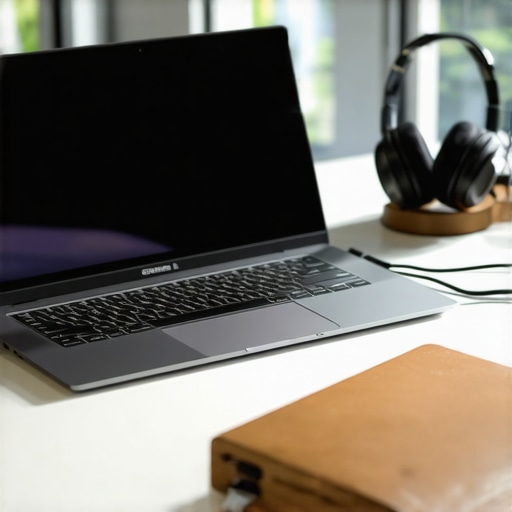
How do I maintain professional standards over the long haul?
Sustaining productivity isn’t a one-time event; it’s a weekly audit of your environment. Every Sunday, I review our upcoming schedule to ensure we aren’t just booking space, but booking the right space. If we have a high-pressure investor update, I look into how to handle high-stakes board meetings in a shared building to ensure we have the privacy and the prestige we need. Part of this maintenance is also human-centric; you have to learn how to manage noise complaints in a shared workspace before they turn into bitter feuds with your neighbors. According to the Acoustical Society of America, the effectiveness of sound masking in open offices depends heavily on maintaining a specific ‘Signal-to-Noise’ ratio, so I often use a white-noise app to create a personal focus bubble. I’ve realized that why a basic warranty won’t save your startup from a hardware disaster is a lesson best learned through preparation, not failure. We now keep redundant chargers and a dedicated Wi-Fi hotspot in our ‘war room’ kit at all times.
The future is a toolkit not a destination
Looking ahead, the era of the 10-year office lease is dead. I predict we will see a move toward ‘hyper-flexible hubs’ where startups don’t just rent desks, but buy access to specialized nodes—a high-end podcasting studio one day, a VR testing lab the next. This is why I believe the role of flex space in a modern business scaling strategy is the only way to remain agile. When you understand why membership flexibility is more important than square footage, you stop being a tenant and start being a strategist. You begin to see the logistics of scaling a hybrid team without a corporate hq as a competitive advantage rather than a hurdle. My challenge to you is this: before your next major milestone, perform a ‘sensory dry run’ of your workspace. Check the glare, test the mic, and verify the bandwidth. If you want to scale like a pro, you have to stop acting like a guest.
Hard Truths from My Years in Shared Offices
After a decade of bouncing between startup hubs, I’ve realized that physical friction is the silent killer of innovation. You can have the best Jira board in the world, but if your lead dev is squinting against window glare, you are losing money. One major realization was that how to transition your team from a garage to a real office isn’t just about moving furniture—it is about upgrading your professional identity. I also learned that why your next big hire cares about your office location goes far beyond their commute; it is about the signals you send to potential talent regarding your company’s stability and culture. I used to think I could out-hustle a bad chair, but eventually, the environment always wins.
My Essential Toolkit for High-Stakes Environments
I don’t leave my house without a ‘battle-tested’ toolkit to ensure my productivity remains portable and resilient. First, I never trust a house cable; I always know how to find a conference room that actually has working adapters or bring my own universal docking station. Second, I keep a mental copy of the acoustics test every conference room should pass to ensure my remote team can actually hear me during strategy sessions. Finally, I rely on startup success secrets for choosing the perfect conference room to make sure our high-stakes meetings don’t feel like we are sitting in a sterile hospital waiting room. These aren’t just ‘perks’—they are essential safeguards for your burn rate.
Your Environment is the Foundation of Your Next Big Win
Your workspace is more than just a place to park your laptop; it is the physical manifestation of your startup’s potential. Don’t wait for a disastrous pitch or a team burnout to rethink your environment. Whether you are hunting for innovative meeting rooms that boost startup creativity or looking to optimize your current setup, remember that you have the power to curate your surroundings. Stop settling for ‘good enough’ and start designing a space that demands excellence. A professional workspace is not a cost; it is an investment in your focus. What was the one ‘deal-breaker’ distraction that finally forced you to change your workspace? Let me know in the comments below.