

I remember sitting in a sun-drenched conference room at 3:45 PM on a Friday, watching my lead developer’s head slowly tilt toward his chest. I was halfway through a slide deck about ‘quarterly pivots,’ but the only thing pivoting was his consciousness toward a nap. It was a visceral realization that I wasn’t leading; I was holding a room of smart people hostage. We’ve all been there, trapped in a coworking space while the rest of the world seems to be gearing up for the weekend. Today, I’m going to show you how to break the cycle and ensure your team actually leaves the office feeling accomplished rather than drained.
Stop Trying to Force Innovation When the Brain is Full
I made a massive mistake early in my startup journey by thinking that ‘crunch time’ meant every available hour was fair game for high-stakes strategy. I used to pack our meeting rooms with back-to-back sessions on Friday afternoons, thinking I was being efficient. In reality, I was just burning through our cultural capital. According to research published by the Harvard Business Review, our ability to make complex decisions degrades as the day—and the week—progresses, a phenomenon known as decision fatigue. By the time Friday afternoon rolls around, your team is likely operating on fumes. If you want to see results, you need to learn the secret to running a board meeting that stays on schedule rather than letting it bleed into the weekend. Have you ever looked around the table at 4:00 PM and realized that literally no one is processing what you’re saying?
Do these late sessions actually achieve anything?
It’s a fair question. You might think that ‘one last push’ is what separates successful startups from the rest. But after years of trial and error in various coworking environments, I’ve found that the best work happens when people have the mental space to breathe. Instead of forcing a brainstorm in a cramped room, try focusing on how to book a meeting room on a friday afternoon without the stress for short, social check-ins instead of deep-dive technical reviews. When I stopped trying to solve the world’s problems at sunset on a Friday, our Monday morning productivity actually spiked. We started using the two-pizza rule for booking the right size meeting room to keep things lean and focused earlier in the week. The goal isn’t just to fill seats; it’s to protect the energy of the people sitting in them.
Stop Guessing and Start Auditing Your Space
I once walked into a high-stakes demo with a major investor, feeling like we had the world at our feet. Within three minutes, my lead engineer was crawling under the table because the display adapter was missing. We wasted fifteen minutes of our thirty-minute window on a hardware scavenger hunt. That messy failure taught me that a workspace isn’t just four walls; it’s a tool that either sharpens or dulls your team’s output. If you want to stop the drain, you have to treat your meeting environment with the same rigor you apply to your codebase.
Hunt Down the Right Adapters Early
A meeting room is only as good as its weakest connection. Before you even invite your team to the table, you need to learn how to find a conference room that actually has working adapters. Don’t assume the HDMI cable from 2018 will talk to your M3 MacBook. I now keep a dedicated ‘go-bag’ with every conceivable dongle, but I also vet the room’s hardware twenty minutes before the start time. This isn’t just about tech; it’s about momentum. When the screen flickers to life instantly, the team stays in the flow. When it doesn’t, you’ve already lost their attention to their smartphones. 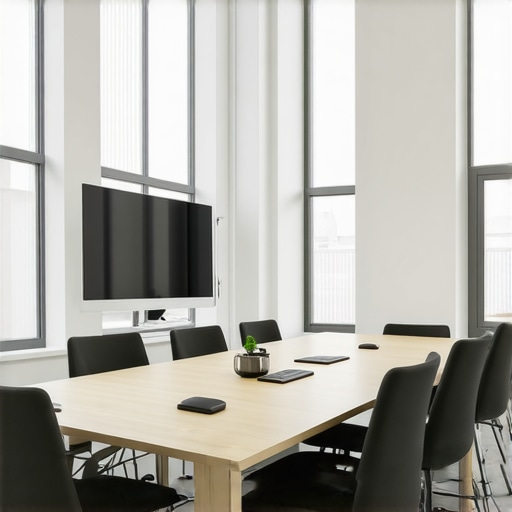
Look Up Before You Sit Down
It sounds like a design cliché, but the physical dimensions of your room dictate the cognitive flexibility of your team. Think of it like this: a low ceiling is for detail work, and a high ceiling is for big ideas. I’ve noticed that during our strategy sessions, the energy stays higher when we have more vertical space. There is actually a psychological basis for this, which is why why your team is more creative in a room with high ceilings is a concept you should leverage when booking your next offsite. If you’re stuck in a basement-style ‘war room,’ your ideas will likely stay grounded and small.
Check for Hidden Acoustic Traps
There is nothing more corrosive to a startup’s culture than the feeling that everyone can hear your ‘private’ feedback. I’ve seen teams whisper their way through important reviews because the glass walls had the acoustic properties of a paper-thin tent. Before you book, you must know how to vet a meeting room for acoustic privacy before booking. If you can hear the guy next door chewing his lunch, he can hear your roadmap secrets. High-quality acoustics act like a container for your team’s energy, allowing for the kind of loud, messy, and honest debate that drives innovation.
Manipulate the Atmosphere for Better Demos
Lighting isn’t just about seeing the whiteboard; it’s about signaling the importance of the moment. Shadows and harsh fluorescent hums can make even a million-dollar product look like a high school science project. I learned the lighting trick that makes your product demo look expensive early on: dim the overheads and use a focused light source on the hardware or the presenter. It creates a ‘theater of the mind’ that pulls people in.
Keep the Session Under the Exhaustion Limit
Finally, you have to respect the clock. A four-hour session is a marathon no one trained for. I’ve switched our deep-dives to 90-minute sprints. To make this work, you need to master how to maximize productivity in your startups conference rooms by 0245 pm so that the afternoon slump doesn’t kill your progress. If you find yourself pushing past the two-hour mark, you aren’t being productive; you’re being stubborn. Learn how to survive a 4 hour board meeting without losing focus only when absolutely necessary, otherwise, break it up and let the team breathe.
We often fall into the trap of thinking that ‘more’ equals ‘better’ when it comes to workspace. I’ve seen founders drop five figures on executive suites because they wanted to look the part, only to realize they’d accidentally sucked the soul out of their team. Let’s dig deeper into the nuances that most people miss when they transition from a garage to a professional environment.
Formal Boardrooms Are Where Startup Creativity Goes to Die
Everyone says you need a pristine, quiet boardroom to close a deal, but in my experience, the ‘corporate’ aesthetic can be a momentum killer. There is a common myth that total silence is the best environment for innovation. However, a study published in the Journal of Consumer Research found that a moderate level of ambient noise—around 70 decibels—actually enhances performance on creative tasks more than a dead-quiet room. This is the truth about productivity in a room full of total strangers: the buzz of a high-energy environment often acts as a catalyst for better ideas than a sterile, silent box. If your room is too quiet, every pencil drop becomes a distraction, and every bold idea feels too ‘loud’ for the space.
How do you protect your IP when the walls are transparent?
This is the advanced challenge most founders ignore until it’s too late. The ‘Oops’ factor here is significant. You love the look of the modern glass-walled conference room, but you’re literally projecting your financial runway and unreleased features for everyone in the lounge to see. When making the move to shared offices, how to protect your intellectual property becomes a technical and behavioral discipline. I’ve learned to use privacy films or simply position monitors away from the glass. You have to know how to keep your startups trade secrets safe in a public lounge without compromising the collaborative vibe. 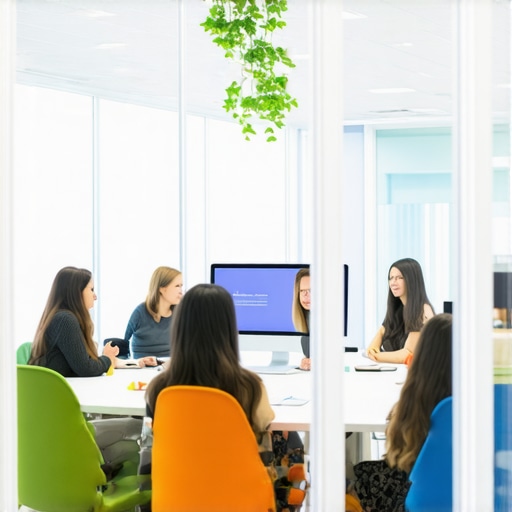
Don’t Let Your Professional Aesthetic Backfire During Pitches
I once booked a hyper-formal, marble-laden suite for a seed-round meeting, thinking it would show we were ‘serious.’ Instead, the lead investor spent the first ten minutes questioning our burn rate. He didn’t see success; he saw a team that didn’t know how to prioritize capital. Contrast this with why investors prefer meeting in a high energy hub over a quiet cafe: they want to see that you are part of an ecosystem, not isolated in a tower. While the cost of a bad first impression is real, trying too hard to look corporate can make a lean startup look bloated. Avoid the trap of thinking that boring office furniture equals professionalism. A dynamic, well-equipped flex space usually sends a much stronger signal of agility and modern thinking. Have you ever fallen into this trap of over-compensating with a fancy room? Let me know in the comments.
I’ve realized that the ‘one-size-fits-all’ approach to meeting rooms is a total lie. Early on, I thought that as long as there was a table and a screen, we were good to go. But as we began to scale, I noticed that the friction of moving between different coworking locations was actually slowing down our development cycles. We spent more time troubleshooting display settings than we did reviewing code. I had to get surgical about our toolkit. For example, our engineering team struggled with cross-platform demos until we figured out how Parallels Desktop saved our dev team from the two-laptop shuffle. It sounds like a small detail, but removing that thirty-second delay during a sprint review keeps the energy focused on the product, not the hardware.
The Gear That Keeps My Team From Quitting Mid-Meeting
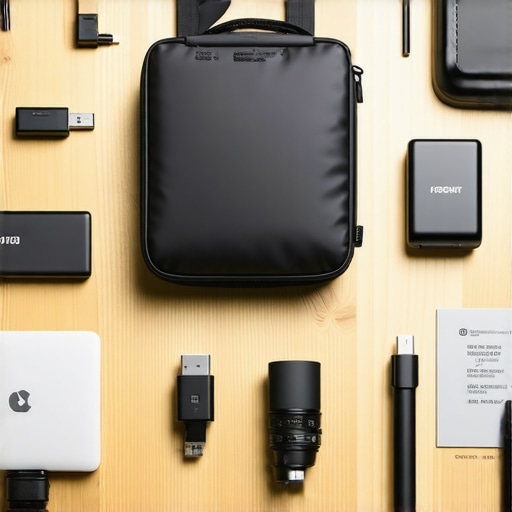
Maintenance isn’t just about cleaning the whiteboard; it’s about the invisible infrastructure. I now carry a ‘founder’s kit’ that essentially acts as a portable nervous system for any meeting room. It’s funny, I’ve found that why your laptop charger is the best networking tool you own isn’t just a joke—it’s a literal truth in a crowded hub. Being the person who can provide power or the right adapter creates immediate social capital. However, the real work happens when you stop reacting to tech failures and start predicting them. According to a 2023 technical whitepaper by Cisco’s Webex division, background noise cancellation and hardware-level AI processing in high-end conference gear can now filter out up to 90% of non-human frequencies. This isn’t just a luxury; it significantly reduces cognitive load and prevents the ‘meeting fatigue’ that usually sets in by early afternoon.
Kill the Waste Before the Waste Kills Your Runway
As you grow, you have to be ruthless about auditing your overhead. I’ve seen so many founders get locked into expensive memberships because they were seduced by a fancy espresso machine, while their actual productivity was cratering due to poor Wi-Fi. I recommend performing the 10-minute audit to see if your office space is wasting money at least once a quarter. This audit is what enabled the move that helped us scale from 3 to 15 people in six months without doubling our burn rate. We stopped paying for ‘prestige’ and started paying for bandwidth and acoustic privacy. If you aren’t tracking how much time your team spends fighting for a quiet corner, you are losing money you haven’t even accounted for yet.
How can I maintain this momentum as the team starts to drift apart?
The future of the startup workspace isn’t just more rooms; it’s smarter rooms. I predict that within the next two years, we will see the rise of ‘ambient intelligence’ in coworking spaces—rooms that automatically adjust lighting and acoustics based on the meeting type identified in your calendar. We are already seeing glimpses of this in the future of conference rooms in startup ecosystems, where the physical environment adapts to the human needs in real-time. To stay ahead, you need to master how to maximize productivity in your startups conference rooms by 0245 pm so your team doesn’t hit the wall. Start by implementing a ‘Zero-Friction’ policy: if an adapter doesn’t work or a room is too loud, it gets flagged and fixed within 24 hours, or you move locations. Don’t let your environment dictate your output. Take ten minutes today to audit your current meeting space—if the Wi-Fi or the acoustics aren’t serving your mission, it’s time to book somewhere that actually works.
The Hard Truths About Startup Space I Learned the Hard Way
Looking back at the dozens of rooms I’ve booked across three different cities, the most profound realization was that the room is a silent co-founder. If the environment is rigid, your thinking becomes rigid. I learned that silence isn’t always golden; sometimes it’s sterile and stifling. I also realized that my team’s energy was a finite resource that I was accidentally squandering on poor logistics and bad lighting. When we started prioritizing innovative meeting rooms that boost startup creativity, our output didn’t just improve—it transformed.
Another lesson: never underestimate the power of the ‘un-meeting’ space. Some of my most critical pivots happened because we stepped out of the glass box. In fact, why the best business deals happen in the hallway not the boardroom is a lesson every founder learns eventually. The formal table can create a hierarchy that silences junior developers who might have the actual solution to your scaling problem.
The Toolkit That Keeps Us Agile
If you want to stop the friction, you need a repeatable system. First, I never walk into a room without a verified adapter kit; it’s the ultimate ‘respect the time’ move. Second, I rely on startup success secrets choosing the perfect conference room to vet new locations before our quarterly reviews. Third, always check the verticality of your space—I’ve seen firsthand why a high ceiling office actually changes how you think, especially during high-pressure brainstorming sessions. Lastly, use a digital audit tool or a simple checklist to ensure how to choose the perfect conference room for business success is a science, not a guess.
#IMAGE_PLACEHOLDER_E#
Build Your Culture One Room at a Time
Your workspace is more than just a line item on your budget; it’s the physical manifestation of your company’s ambitions. When you choose a space that respects your team’s focus and fosters their creativity, you’re telling them that their work matters. Don’t be afraid to leave the corporate-feeling suites behind for something that has a bit more soul and energy. By mastering your conference room strategy, you’re not just booking a table—you’re designing the future of your company. Go out there, audit your current setup, and find the environment that actually helps you scale.
Have you ever had a brilliant idea completely ruined by a bad meeting room or a tech failure? Let me know in the comments below!