

I will never forget the absolute silence on the other end of the line three years ago. I was mid-sentence, pitching a potential whale of a client—a contract that would have doubled our revenue overnight—when my neighbor decided it was the perfect time to start a leaf blower right outside my window. My ‘headquarters’ was just a desk in the guest room, and no amount of clever camera angles could hide the fact that I was one stray bark from my dog away from total unprofessionalism. The investor politely asked if I was at a landscaping convention. I was mortified. That was the moment I realized that while my product was ready for the big leagues, my environment was still playing in the dirt. You don’t need a ten-year lease in a glass tower to land a VIP, but you absolutely cannot afford to look like you are running a hobby. Today, we are going to fix that by mastering the art of the professional pivot.
Get your VIP out of your guest room
The problem isn’t your talent; it is the friction of your surroundings. If you are still trying to host high-stakes meetings from your kitchen, you are likely fighting a losing battle against distractions. I learned the hard way why your pitch failed in that noisy coffee shop after a barista screamed a latte order right during my closing statement. It’s not just about the noise, though. It’s about the psychology of the space. When you how to host a product demo that looks professional on a budget, you aren’t just buying a desk; you are buying the confidence of your prospect. According to research from Princeton University, it takes just 100 milliseconds for a person to form an impression of your trustworthiness based on your appearance and surroundings. If your background looks cluttered or your connection lags because why your home wi-fi is failing your zoom presentations, you have already lost the ‘trust’ battle before you even show the first slide of your deck.
Is a shared office actually professional enough?
I get the skepticism. You might worry that a coworking space feels a bit too ‘startup’ or ‘casual’ for a true VIP demo. I used to think the same until I realized that the logistics of scaling a hybrid team without a corporate hq are actually easier when you utilize high-end conference rooms. My biggest mistake early on was thinking I could just ‘wing it’ with a virtual background. The glitchy halo around my head every time I moved made me look like a low-budget hologram. A real, physical space with a why your pitch deck looks better on a forty-inch screen than a laptop changes the entire energy of the presentation. It tells the client you have skin in the game. Have you ever felt that sinking feeling when a technical glitch or a background distraction ruined your flow during a big pitch? I’d love to hear how you handled it.
The transition from a home office to a high-end meeting environment is like moving from a sandbox to a construction site; you need the right tools, or you’re just playing with dirt. I remember the first time I tried to host a serious demo in a booked room. I walked in five minutes before the client, thinking a clean table was enough. It wasn’t. The room echoed like a cathedral, and my laptop wouldn’t sync with the projector. I spent the first ten minutes of a thirty-minute slot sweating while the client checked their watch. We are going to avoid that by focusing on the physical mechanics of the meeting space.
Verify the room before you invite the money
Never book a space sight unseen for a high-stakes demo. You need to physically stand in the room to understand the ‘vibe’ and the literal physics of the space. I once lost a deal because the room I booked was right next to a communal kitchen during the lunch rush. The smell of microwave fish and the sound of clinking forks killed the mood instantly. Now, I always check how to vet a meeting room for acoustic privacy before booking to ensure my secrets—and my client’s concerns—stay inside those four walls. Think of the room as a physical extension of your brand; if it feels flimsy, your software will feel flimsy too.
Run a literal sound check
Sound is the invisible deal-killer. Hard surfaces like glass and metal look sleek, but they create a ping-pong effect for audio that makes you sound like you are calling from a bathroom. Before you commit, perform the acoustics test every conference room should pass by clapping your hands in the center of the room. If there is a sharp ‘ring’ or echo, you’ll need a space with more fabric or acoustic paneling. I’ve even gone as far as hanging my winter coat over a chair just to dampen the sound in a pinch. It sounds crazy, but clarity is the difference between a client ‘getting’ your vision and them nodding politely while being confused by the noise.
Ditch the cable spaghetti
Nothing screams ‘amateur hour’ faster than a founder crawling under a table to find an HDMI port. In a professional setting, the technology should be invisible. You want a setup where you can plug in one cord and have the room come to life. This is why your conference room needs better technology and fewer cables; it removes the friction of the start. I now carry a ‘demo bag’ that includes every possible adapter known to man, but I prioritize spaces that offer wireless casting or integrated hubs. 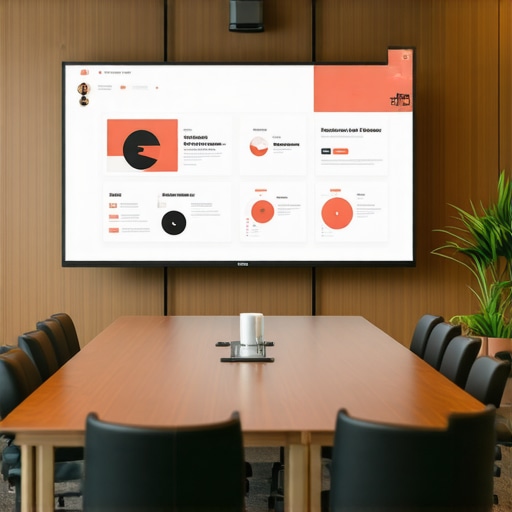 If you are doing a remote-hybrid demo, you also need to check the exact lighting setup for professional video pitches. Overhead fluorescent lights will make you look like a tired ghost; you want soft, front-facing light that makes you look as energized as your pitch deck suggests.
The walk-in matters as much as the deck
The ‘demo’ starts the moment your client pulls into the parking lot, not when you hit ‘play’ on the first slide. If they have to wander around a maze of hallways or wait for a front desk person who doesn’t know you exist, they are already frustrated. I’ve learned to use the exact checklist for vetting a high-stakes board room, which includes verifying the check-in process. You want a space that feels like a ‘War Room’—focused, intense, and prepared. There is a massive psychological difference between a standard meeting room and a real war room. One is a place where you sit; the other is a place where you win. When you control the environment, you control the narrative. Don’t leave your reputation to chance by settling for the first available table you find online.
I see it every day: founders who think that booking the most expensive suite in the building automatically confers status. It’s a common myth that the flashiest room with the most buttons on the remote is the best for closing a deal. In my experience, the opposite is often true. The ‘tech-heavy’ trap is where many otherwise brilliant pitches go to die. When you are fumbling with a proprietary tablet just to dim the lights, you aren’t looking like a tech mogul; you are looking like someone who didn’t prepare. Experts know that why your conference room needs better technology and fewer cables is about stripping away the friction, not adding more layers of complexity. I’ve transitioned toward a more minimalist approach where the environment stays out of the way of the conversation.
Can a glass-walled ‘fishbowl’ actually protect your trade secrets?
Everyone loves the aesthetic of the glass-walled modern office, but for a high-stakes demo, it is often a liability. There is a psychological phenomenon known as ‘social facilitation’ where being observed by others changes your performance—and not always for the better. A study published in the Journal of Environmental Psychology suggests that visual noise and the feeling of being watched can significantly increase cognitive load, making it harder for your client to focus on complex data. If you are discussing sensitive financials, you need more than just a closed door; you need visual privacy. This is how to keep your startups trade secrets in an open office: you choose the corner room with frosted glass or integrated blinds. Don’t let a ‘cool’ aesthetic compromise the confidentiality your VIP expects.
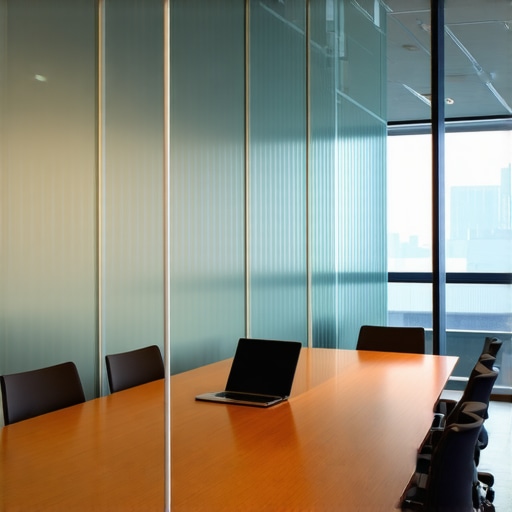
Another nuance people miss is the ‘amenity mirage.’ I’ve seen founders pick a space because it has a rooftop bar and a vintage arcade machine, but then they realize the true cost of free coffee in popular coworking hubs is the chaotic energy that comes with it. If your client has to step over a beanbag chair to get to the boardroom, you have already signaled that your company might not be ready for a mature partnership. High-level investors often prefer the quiet professionalism of a space that values focus over flash. This is why the logic of choosing a flex office over a 5 year lease is so compelling; it allows you to access premium, executive-grade environments without the massive overhead, but only if you know 7 red flags to watch for during a space tour.
The biggest ‘oops’ factor I encountered recently was neglecting the transition time. If you book a room for exactly 60 minutes, you are setting yourself up for a frantic exit while the next group lingers at the door. It kills the post-meeting ‘afterglow’ where the real decisions are often made. Always book an extra thirty minutes on the backend to ensure you can walk your client to the elevator without checking your watch. When you how to maximize productivity in your startups conference rooms by 0245 pm, you account for these human moments. Have you ever fallen into the ‘flashy but functional’ trap or been kicked out of a room right as a deal was closing? Let me know in the comments.
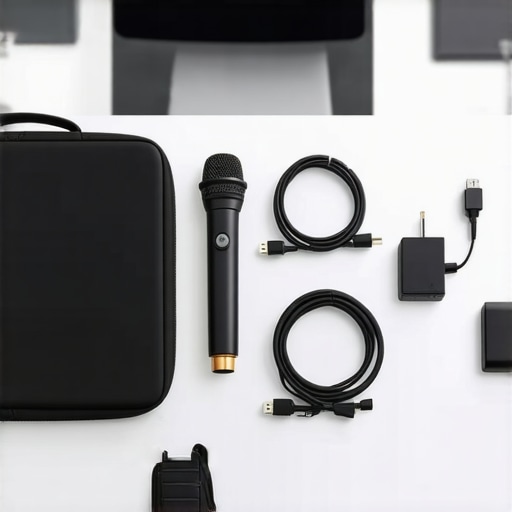
I’ve learned that the ‘one-cord’ dream is only possible if you carry the right backup. I never walk into a booked suite without my own specialized kit. This isn’t just about adapters; it’s about redundancy. For instance, I’ve found that even the best hubs fail, which is why our private office suites stock extra surface pro chargers for members—you never want to be the person whose laptop dies thirty seconds before a signature. I personally swear by the Shure MV7 for hybrid calls because it handles ‘room boom’ better than any laptop mic ever could. If you’re serious about this, you need to treat your gear like a pilot treats their flight instruments. As noted by audio engineering expert Julian Krause in his technical analysis of USB microphones, the signal-to-noise ratio in untreated rooms can degrade speech intelligibility significantly, which is essentially like trying to pitch through a thick fog. If you are struggling with a hollow sound, checking the acoustic fix for echoey conference rooms is your first priority.
As your team grows, the logistics change from ‘where do I sit?’ to how to choose an office that supports your scaling speed. You can’t be the one personally vetting every room once you hit ten employees. You need a system that ensures the ‘VIP experience’ is repeatable across your entire organization. I’ve realized that how to stop your team from hating hybrid meetings often comes down to the quality of the room they are dialling in from.
How do you keep the quality from dipping as you scale?
The answer lies in building a ‘physical anchor.’ I spent years thinking we could stay 100% remote, but why your startup needs a physical anchor for its remote team became clear when our culture started feeling like a series of transactional Slack pings. To maintain the high-stakes energy of those early VIP demos, we now use innovative meeting rooms that boost startup creativity for our internal strategy sessions. It’s about consistency. If your internal meetings are messy, your external demos will eventually reflect that chaos. I recommend setting a ‘Room Standard’ document that outlines exactly how to vet a meeting room for acoustic privacy before booking so anyone on your team can host a VIP with the same level of polish you do. Looking ahead, I predict a massive shift toward ‘Intelligence-as-a-Service’ within these spaces. We’re moving toward rooms that automatically adjust lighting and audio levels using AI-driven beamforming. The future of conference rooms in startup ecosystems isn’t just four walls; it’s an active participant in the sale. **Try this today:** Next time you book a room, call the facility manager and ask for their ‘IT redundancy plan.’ If they don’t have a backup Wi-Fi guest network or spare hardware on-site, that’s one of the 7 red flags to watch for during a space tour that should make you reconsider the booking.
Professionalizing your workspace is more than just an aesthetic upgrade; it is a fundamental shift in how you value your own time and your client’s attention. We’ve covered everything from acoustic testing to the ‘one-cord’ dream, but the most important part of this entire process is your commitment to a standard that exists outside of your guest room walls.
The Day My Pitch Smelled Like Microwave Fish
The single most expensive lesson I ever learned was that you cannot separate the message from the environment. I used to think my software was so revolutionary that an investor wouldn’t mind if the room felt like a broom closet. I was wrong. The ‘microwave fish’ incident taught me that sensory distractions bypass logic and go straight to the gut. If a room feels cramped or smells like a communal kitchen, your prospect’s brain is screaming ‘exit’ before you even open your laptop. I finally understood the hidden costs of running a startup from your garage—it wasn’t just about the rent; it was about the lost credibility. Now, I never book a space without doing a ‘vibe check’ first. I’ve realized that startup success secrets choosing the perfect conference room at 0817 am often come down to being the first person in the building to ensure the environment is pristine. Trust is fragile; don’t break it because you were too lazy to check the hallway noise.
The Kit That Actually Makes You Look Like a Founder
I don’t leave my reputation to the mercy of a shared office’s Wi-Fi or their ‘standard’ cables. Over the years, I’ve curated a toolkit that travels with me to every high-stakes demo. This isn’t about being a gear-head; it’s about eliminating every possible point of failure. Here is what I personally trust to keep my presentations flawless: 1. The Shure MV7 Microphone: This is my ‘insurance policy’ for hybrid calls; it makes me sound like I’m in a studio even in a glass-walled box. 2. A Dedicated Thunderbolt Dock: I never hunt for ports; I plug in one cable and my whole world connects. 3. The ‘Backup’ Wi-Fi Hotspot: I’ve seen enough ‘high-speed’ office networks crawl to a halt to know a personal backup is mandatory. Knowing how to choose the perfect conference room for business success means picking a space that complements your gear, not one that fights against it. I also highly recommend looking at coworking spaces unlock innovation top meeting rooms of 2025 at 1123 am to see which providers are actually investing in the infrastructure that supports modern tech founders.
#IMAGE_PLACEHOLDER_E#
Stop Playing Small and Claim Your Space
There is a unique kind of confidence that comes from standing in a room that matches the scale of your ambition. Transitioning from the comfort of your home to a professional hub is a milestone every serious founder must cross. It signals to your team, your clients, and—most importantly—yourself that the ‘hobby’ phase is officially over. By following the move from garage to office a growth roadmap, you are setting the stage for the kind of growth that requires real-world presence and physical collaboration. The future belongs to those who show up prepared. It’s time to take your startup, meeting rooms, and professional reputation seriously. Have you ever had a technology fail or a background distraction nearly cost you a deal? Let me know how you recovered in the comments below.