
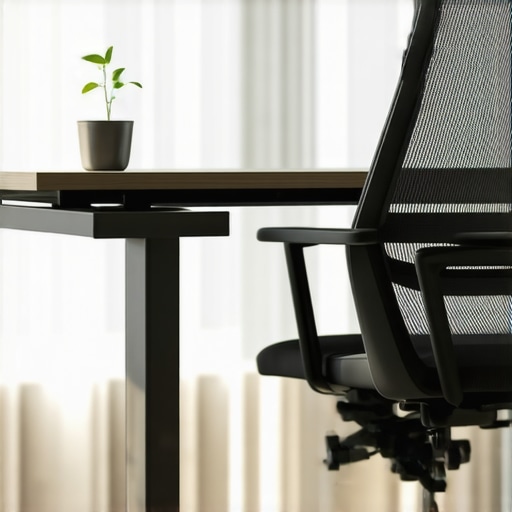
I remember the smell of burnt coffee and the dull, throbbing ache in my lower back during our first real “war room” session. We had just secured our seed round, and like most founders, I was obsessed with the wrong things. I bought the flashiest monitors, a $1,500 espresso machine, and the cheapest folding chairs I could find at a liquidation sale. Three weeks in, my lead dev was pacing the room because his neck was locked up. My own productivity was tanking because I could not find a comfortable position for more than twenty minutes. It was a visceral lesson: you cannot build a billion-dollar company on a ten-dollar chair. Today, I want to share why prioritizing physical comfort is not a luxury—it is a risk-mitigation strategy for your most valuable asset: your team.
Invest in Spines Over Software Subscriptions
The math is actually pretty simple, even if it feels counter-intuitive when you are watching every penny. I once thought that “grit” meant working through the pain, but the reality is that physical discomfort is a massive, silent drain on your focus. When we finally stopped ditching the garage life and moved into a space with actual lumbar support, the atmosphere changed. People were not fidgeting; they were flowing. If you are still skeptical, check out the exact chair you need for a 12-hour coding sprint to see what a difference real engineering makes.
Is spending seed money on furniture actually worth the hype?
It is easy to feel like you are being “corporate” or wasteful by buying high-end desks, but look at the data. A major report from the Washington State Department of Labor and Industries found that ergonomic improvements can reduce workplace injuries by up to 59%. For a five-person startup, one person being sidelined with a repetitive strain injury is not just a bummer—it is a 20% hit to your total output. I learned this the hard way when I had to delay a beta launch because our designer was literally incapacitated by a cheap desk setup. When you pick an office that fits your startup’s growth, the furniture inside is just as vital as the Wi-Fi speed. Have you ever had to stop a deep-work session early because your body simply gave up on you? It is a frustrating wall to hit, and it is entirely preventable. We are going to dive into how to choose pieces that actually scale with your team’s health.
Run the Acoustic Clap Test Before You Sign Anything
The first mistake founders make is choosing a space based on the view. Views don’t close deals; clarity does. When I was scouting our second office, I walked into a glass-walled beauty that looked like a scene from a sci-fi movie. I stood in the center of the main room, clapped my hands once, and the echo lasted nearly two seconds. It was a disaster waiting to happen. If you can’t hear a developer’s whisper across the table, you’re going to lose the nuances that prevent bugs. You need to verify the acoustics test every conference room should pass before you commit to a lease. Sound-dampening panels and soft surfaces are not just design choices—they are communication tools. I’ve seen teams crumble because they couldn’t effectively communicate in an echo chamber, leading to the kind of frustration that eventually causes the real reason your team is suffering from zoom fatigue even when they are sitting right next to each other.
Ditch the Conference Table for a Real War Room
A standard meeting room is for HR check-ins and board updates; a war room is for shipping products. The difference lies in the layout. In our early days, we swapped a traditional long, mahogany-style table for a series of modular desks that we could push together or rip apart in seconds. This flexibility allowed us to transition from a full-team stand-up to three separate sprint groups without anyone leaving the room. If you are struggling to define your space, look at the difference between a standard meeting room and a real war room to understand why the physical environment dictates the workflow. We once spent an entire weekend reconfiguring our layout during a pivot, and the sheer ability to move furniture allowed us to visualize the new user journey on the walls without the friction of a static office. 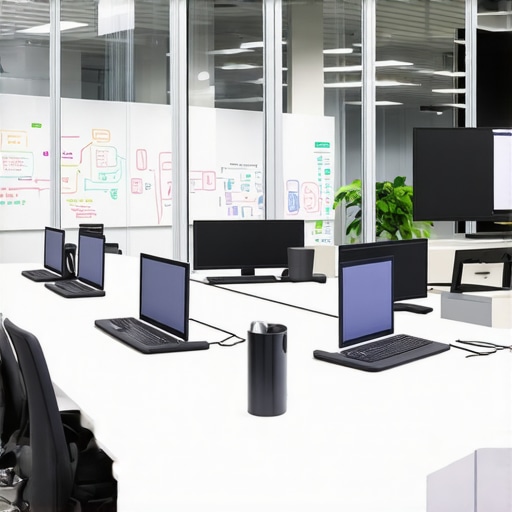
Stop Fighting with Cables and Power Strips
Nothing kills the momentum of a brainstorm faster than someone crawling under a table to find a dongle. I remember a specific session with a potential lead investor where we spent the first ten minutes trying to get the TV to recognize a MacBook Pro. It was humiliating and made us look like amateurs. Now, I have a strict rule: if a room requires more than one cable to start a presentation, it’s broken. You have to ensure why your conference room needs better technology and fewer cables to keep the focus on the product. In our current setup, we use wireless casting and have Surface Pro chargers built directly into the desk frames. This isn’t just a convenience; it ensures you can host a webinar without background noise or connection drops because the infrastructure is purpose-built, not tacked on as an afterthought.
Location is More Than Just a Zip Code
While the internal ergonomics are vital, where you place your team physically in the city changes who you bump into at the coffee machine. I’ve found that why proximity to other startups accelerates your growth isn’t just a theory—it’s how we found our current CTO. We were sharing a communal kitchen in a tech hub, and a casual conversation about server latency turned into a three-hour whiteboard session. Before you settle for a cheap office in the suburbs, consider that you might be trading away your next big hire for a lower rent check. When you are ready to scale, use the exact checklist for vetting a high-stakes board room to ensure that your environment reflects the level of ambition you are asking your team to bring to the table every morning.Everyone tells you that open floor plans are the holy grail of startup culture. They say it fosters serendipity and organic brainstorming. In my experience, that is a total myth that actually hurts your burn rate. When you remove all the walls, you do not get more talking; you get more noise-canceling headphones. A landmark study by Harvard researchers Ethan Bernstein and Stephen Turban found that open-plan offices can reduce face-to-face interaction by 70%. It turns out, when people feel constantly watched, they retreat into their screens. This is precisely why developers need quiet zones to reach deep flow rather than a seat in a noisy, collaborative hall. If you want real output, you have to learn how to find a coworking space that matches your company values, which should prioritize focus over the aesthetic of busyness.
Avoid the Psychological Drain of the Fishbowl Effect
One of the biggest oops factors I see with first-time founders is the obsession with glass-walled meeting rooms. They look sleek, but they create a psychological fishbowl where everyone feels like they are being performed for. This becomes a massive liability during high-stakes moments. I have seen teams struggle with how to handle a sensitive HR meeting in a shared space because the glass walls made the employee feel like they were on display during a vulnerable moment. If your meeting room does not offer visual privacy, your team will never be truly honest in their feedback. 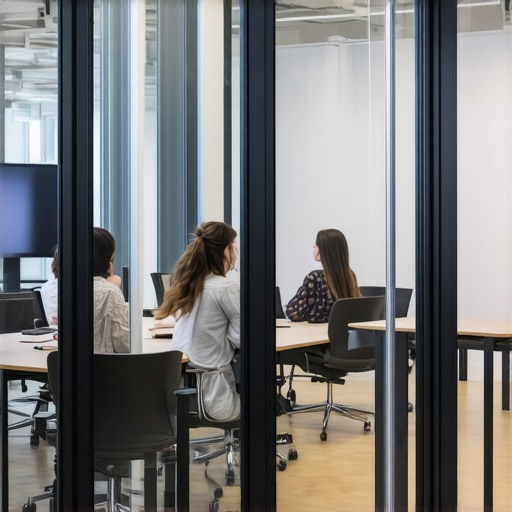
Do you actually need a permanent lease to look professional?
The short answer is: almost never in the first three years of a startup’s life. One of the nuances people miss is that a long-term lease is a fixed weight in a variable world. I have watched founders pivot their entire product but stay stuck in an office that no longer fits their workflow because of a five-year contract. This is why founders are choosing memberships over long-term leases—it allows the physical space to scale at the same velocity as the headcount.
Test the Vibe Before You Move the Servers
Never trust the marketing photos. I once signed a lease for a space that looked like a boutique hotel, only to find out the community was just twenty different companies who never spoke to each other. It felt like a library, not a startup hub. To avoid this, I always suggest learning how to use a day pass to test your next potential office before committing. Spend eight hours there. Does the internet dip at 2 PM? Is the coffee actually drinkable? These small details determine your team’s daily happiness more than a fancy logo on the door. Have you ever fallen into the trap of picking a space based on looks alone? Let me know in the comments.
Stop Your Tech From Failing When It Matters Most
I used to think that setting up an office was a one-and-done event. You buy the gear, you plug it in, and you forget about it. That is a recipe for a dead demo. Real operational excellence in a startup environment is about the small, boring stuff—like the weekly check of your wireless casting latency or ensuring the backup chargers are actually in the drawers. I’ve seen million-dollar pitches stall because of a dead battery, which is exactly why our private office suites stock extra surface pro chargers for members. It’s about removing every possible friction point before it becomes a disaster.
How do I maintain workspace peak performance over time?
Maintenance isn’t just about hardware; it is about the environment’s ability to adapt. According to the AVIXA (AudioVisual and Integrated Experience Association) standards for speech intelligibility, specifically the STIPA (Speech Transmission Index for Public Address), a room’s performance can degrade based on the sheer number of bodies and new furniture added. If you cram more people into a space without adjusting the acoustics, your productivity will tank. You have to treat your office as a living organism. This is where the role of flex space in a modern business scaling strategy becomes your secret weapon. It allows you to expand the physical footprint without the administrative nightmare of traditional real estate maintenance.
Scale Your Output Without Doubling Your Rent
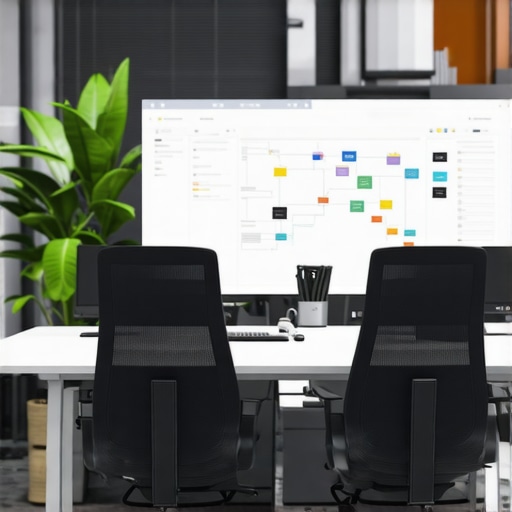
As we’ve grown, I’ve realized that the “headquarters” of the future isn’t a 10-year lease on a glass box. It’s a decentralized network. We now focus on the logistics of scaling a hybrid team without a corporate hq, using high-end meeting rooms as “gravity wells” for collaboration. The trend is moving toward “Work-from-Anywhere” coupled with “Collaborate-in-Person.” My prediction? By 2026, we will see AI-driven room booking systems that don’t just find you a desk, but find you a room based on the specific acoustic and hardware needs of the task at hand. The future of conference rooms in startup ecosystems is high-intelligence, low-friction spaces that know you need three whiteboards and a fiber-op connection before you even walk in.
Kill the Silos Before They Kill the Culture
The hardest part of scaling is keeping everyone on the same page when half the team is at home and the other half is in a war room. If you are not careful, why your hybrid team is still failing at internal communication becomes obvious: the people in the room have the “real” conversation, and the remote folks just get the summary. To fix this, I recommend the “one-in-all-in” rule: if one person is remote, everyone joins the Zoom link, even if they are sitting next to each other. It levels the playing field and ensures the “quiet zones” stay quiet. Advanced tip: Tomorrow morning, run a 15-minute audit of your primary meeting space—check every cable, test the Wi-Fi speed at the far corner of the table, and make sure your guest casting works on both Mac and Windows. If it takes more than 30 seconds to start, fix it immediately.
Lessons from the Trenches That Silicon Valley Brochures Forget
I used to think that a hip office meant beanbags and beer taps. I was wrong. The best meeting rooms are the ones where you forget you are in a meeting because the environment just works. I have seen founders trade their equity for a ‘fancy’ address only to find the vibe was sterile and the acoustics were trash. Always spot a bad coworking community before joining by checking if the ‘common areas’ are actually ghost towns during peak hours. Another thing experts rarely mention is the ‘cost of friction’—if it takes five minutes to find a light switch or connect a laptop, you are bleeding momentum. You can how to save money on office amenities your team doesn’t use by focusing on high-quality basics like lighting and air quality rather than expensive perks that just collect dust.
My Essential Shortlist for a High-Output Workspace
Building a high-performing startup requires a toolkit that extends beyond your IDE. First, I recommend ‘Deep Work’ by Cal Newport; it is the philosophical foundation for why I now prioritize quiet zones over open-plan floor layouts. Second, get a Decibel Meter App. Do not guess if a space is quiet enough for your pitch—measure it. Third, I always keep the exact checklist for vetting a high-stakes board room in my bag. It ensures I never walk into an investor meeting without checking the Wi-Fi dead zones or the HDMI compatibility first. Finally, modular whiteboard walls are better than any digital tool for physical brainstorming sessions.
#IMAGE_PLACEHOLDER_E#
Your Office Is a Prototype That Needs to Iterate
Your workspace should evolve at the same speed as your cap table. Do not be afraid to ditch the expensive leather chairs for better lighting if it helps your developers reach flow faster. Whether you are hunting for startup success secrets choosing the perfect conference room or learning how to build a company culture when half the team is remote, the goal is always clarity of thought. You are not just building a product; you are building the engine that builds the product. Take care of that engine, and it will take care of the roadmap. What is the one thing in your current workspace that drives you absolutely crazy? Let me know in the comments.