

I still remember the crushing weight of that signature. It was 2017, and I’d just signed a five-year commercial lease for a trendy brick-and-beam office that we absolutely didn’t need. Six months later, the market dipped, our primary client pivoted, and I was left staring at enough empty desks to host a small convention. Every month, a massive check left our bank account for space that sat silent. I even spent $20,000 on custom ergonomic chairs and ‘startup-friendly’ beanbags that nobody used because the team had to go remote. It was a brutal lesson in why rigidity is the enemy of the modern founder. I realized then that the old way of doing business—locking yourself into a physical footprint before you even know your headcount for next year—is a gamble most of us can’t afford to take. Today, I want to talk about why shifting to a flexible model isn’t just about ‘cool perks’ or free coffee; it’s about building a fortress around your cash flow in a market that changes faster than a Twitter trend.
Why I Finally Stopped Signing Long-Term Leases
[image_placeholder] I learned the hard way that your first office shouldn’t be a 5-year commitment. When the economy gets bumpy, your biggest overhead shouldn’t be your biggest liability. By switching to a model where we only pay for what we use, I freed up capital that literally saved my next startup during a lean quarter. We often focus on the wrong metrics, but I’ve found that why membership flexibility is more important than square footage becomes painfully obvious the moment you need to scale down—or up—on a dime. It’s about the role of flex space in a modern business scaling strategy. We’re no longer tethered to a zip code just because of a legal document. We can move where the talent is, or where the market is growing, without a massive penalty. Instead of worrying about property taxes and maintenance, I now focus on innovative meeting rooms that boost startup creativity when we actually need to get together for those high-intensity brainstorms. There is a specific kind of peace of mind that comes with knowing your office can grow or shrink with your revenue. When you aren’t worried about the literal walls around you, you can focus on the product. I wish someone had told me that picking an office that fits your startup’s growth pace is more of a science than an art.
Isn’t flex-space actually more expensive in the long run?
It’s the question I get from every skeptical CFO I’ve ever worked with. If you look at the price per square foot, sure, a shared office looks pricier on paper. But that’s a rookie mistake. You have to factor in the hidden costs: the furniture, the enterprise-grade Wi-Fi, the cleaning crews, and those soul-crushing ‘triple net’ expenses that landlords love to hide in the fine print. According to a study by JLL, the flexible office market is expected to represent 30% of all commercial real estate by 2030 because it allows firms to pivot instantly. In reality, you’re paying for an insurance policy against uncertainty. I’ve seen teams lose everything because they were stuck in a lease they couldn’t break, while their competitors moved into a professional hub and kept their burn rate low. I even found that the hidden costs of running a startup from your garage can be just as high in lost productivity and missed networking opportunities. Have you ever felt trapped by a workspace that no longer fit your reality? I’d love to hear if you’ve faced that ‘anchor’ feeling too. We’re going to dive into how you can transition without the headache next.
Don’t Pay for Dust and Empty Desks
I once walked through my old 4,000-square-foot office at 2 PM on a Tuesday and realized I was paying for air. My development team was huddled in one corner, and the rest of the space was just expensive, empty square footage gathering dust. I was literally burning cash to keep lights on over desks that hadn’t seen a human in weeks. This is why you must start with a brutal audit of your actual needs. Most founders over-estimate their physical requirements because they buy for the ‘dream’ headcount rather than the current reality. I’ve found that why we stopped paying for square footage we never used is the first hurdle in reclaiming your burn rate. Instead of a fixed footprint, look at how your team actually moves. Do they need a desk every day, or just a place to huddle twice a week? Learning how to pick a membership that scales with your teams size allows you to adjust your overhead on the fly rather than waiting for a lease to expire in three years.
Run a Brutal Audit of Your Real Needs
Start by tracking office attendance for two weeks. If your peak occupancy is only 40%, you are wasting 60% of your rent. This is the moment you transition to a flex model. By choosing a membership tier that matches your peak, not your total, you save thousands. It’s about being lean. When I shifted my second startup to this model, we saved enough in six months to hire another junior engineer.
Vetting the Infrastructure Before You Sign
The biggest trap in flexible workspaces isn’t the price; it’s the tech. You cannot run a high-growth company on ‘home-grade’ internet shared with fifty other people. Before I sign any membership agreement, I walk into the space with a laptop and run a speed test during peak hours. You need to how to vet a space for high speed fiber before you sign the contract. If the Wi-Fi drops during a Zoom call with an investor, the ‘flexibility’ won’t matter because you’ll be out of business. 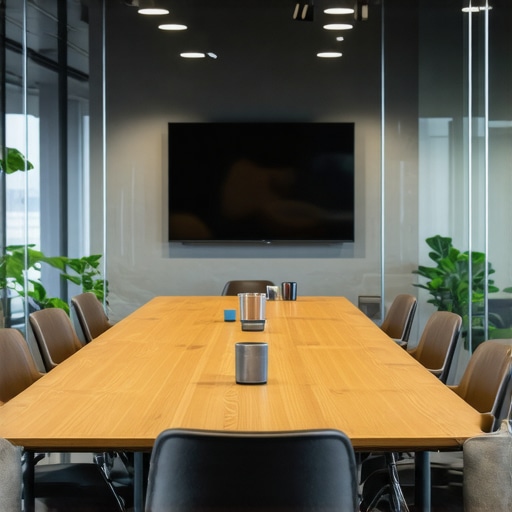
The 5-Minute Noise and Tech Test
Check the walls. Are they paper-thin? I once lost a sensitive client because the person in the next booth was shouting about their weekend plans. You need to understand that why your pitch deck wont save you from a noisy meeting space is a lesson best learned before the meeting starts. Look for spaces that invest in acoustics and hardware. I always check if the conference rooms are plug-and-play; why your conference room needs better technology and fewer cables is a major productivity indicator. If you have to spend 15 minutes fighting with a dongle, the space isn’t helping you scale.
Level Up Your Professional Image Without the Overhead
You don’t need a lobby with a mahogany desk to look professional. You need a space that reflects your brand’s energy when it matters. I use flex spaces to how to host a product demo that looks professional on a budget. For our last funding round, we didn’t meet in a cluttered home office; we booked a high-end board room for four hours. It cost us $300 and made us look like a $50 million company. Mastering how to handle high stakes board meetings in a shared building is about utilizing the amenities effectively.
Ditch the Coffee Shop Pitch
Stop pitching at Starbucks. Between the espresso machine noise and the lack of privacy, why your pitch fails in a noisy lobby is often due to environmental distractions rather than your deck. Use your flex membership to book a dedicated room. It signals to the person across the table that you value their time and your own professional standards. It’s a small logistical shift that yields massive returns in how you are perceived by the market.
Stop Chasing the Amenity Mirage
The common wisdom in the startup world is that more perks equal a better environment. We’ve been conditioned to look for the nitro cold brew taps and the rooftop yoga decks. But after years of managing teams in three different cities, I’ve realized that the ‘free beer and beanbags’ culture is often a mask for poor core infrastructure. In my experience, these distractions are actually the biggest drain on your team’s focus. I now look for the truth about free perks you never actually use and prioritize what actually drives revenue: deep, uninterrupted work time. If a space is selling you on its social calendar rather than its upload speeds, run. Have you ever fallen into this trap of choosing style over substance? Let me know in the comments.
The Privacy Trap You Won’t See Until It’s Too Late
There is a specific aesthetic in modern coworking that I call the ‘Fishbowl.’ It’s all glass walls and open ceilings. It looks great in a brochure, but it’s a nightmare for sensitive operations. I once watched a founder lose a key hire because the HR meeting was held in a glass room where the rest of the team could see the candidate’s dejected face. You must learn how to vet a meeting room for acoustic privacy before booking. It’s not just about the noise getting out; it’s about the visual distractions getting in. According to the 2024 CBRE Office Occupier Sentiment Survey, high-performing firms are shifting away from ‘lifestyle’ amenities toward ‘performance-driven’ environments that emphasize acoustic control and privacy. If you can’t have a confidential board meeting without the guy at the hot desk next door hearing your burn rate, the space is a liability, not an asset.
How do you tell the difference between a creative hub and a productivity desert?
A true ‘creative hub’ isn’t just a room with some colorful chairs. It’s a space designed for specific cognitive modes. Most people make the mistake of treating every meeting room the same, but there is a massive difference between a standard meeting room and a real war room. A war room should have permanent surfaces for visual thinking, whereas a standard room is just for status updates. When I’m vetting a new space, I look for ‘Quiet Zones.’ I’ve found that why developers need quiet zones to reach deep flow is the single most ignored factor by generalist office managers. If the floor plan doesn’t explicitly separate high-energy social areas from heads-down work areas, you will inevitably deal with a toxic vibe. Learning how to spot a toxic coworking vibe in under five minutes usually involves just listening: if the music is louder than the sound of keyboards, your team’s productivity is already dead.

Look for the War Room Instead of the Lounge
In the end, the nuance of a great workspace is in the ‘invisible’ features. It’s the air quality, the seat ergonomics, and the way the light hits the monitors to prevent glare. Don’t let a sleek lobby distract you from a poorly ventilated conference room. Your best work doesn’t happen in a lounge; it happens in a room where the technology works on the first try and the world outside the door disappears. I’ve shifted my entire strategy to finding these ‘high-performance’ pockets within the flex market, and the difference in our output has been night and day.
The Hardware Kit I Never Leave Home Without
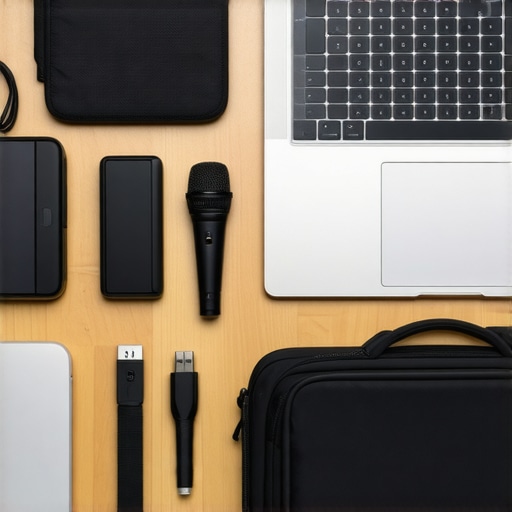
I’ve learned that you can’t rely on a shared space to have every single cable you need, even in the best environments. I carry what I call my ‘Founder’s Go-Bag.’ It contains a dedicated travel router for a private subnet, a high-quality portable microphone, and two backup power bricks. I even wrote about why our private office suites stock extra surface pro chargers for members because I’ve been that guy—the one who loses a million-dollar deal because his laptop died five minutes before the final slide. To ensure we are always ready, I keep the checklist for a glitch-free product launch event printed in the front pocket of that bag. It’s about creating a repeatable, mobile infrastructure that feels as stable as a corporate headquarters.
When it comes to remote collaboration, I strictly use hardware that supports ‘Meeting Equity.’ According to technical documentation from Jabra, providing a 180-degree field of view in small conference rooms is the only way to ensure remote participants feel like they have a seat at the table. If I’m booking a room and I see an old-school webcam that only captures the person at the head of the table, I know the meeting will be a disaster for my remote engineers. I’ve become incredibly picky about these details because the tech is the only thing bridging the gap between my team’s living rooms and our shared war room.
How do I maintain my team’s momentum without a permanent HQ?
The secret is consistency in the digital and physical overlaps. We use a professional mailing address for all our legal filings, which sounds minor until you realize the errors to avoid when choosing a business mailing address can lead to missed tax notices or lost hardware shipments. I also make sure we gather in person at least once a month. Navigating the logistics of scaling a hybrid team without a corporate hq requires a rhythm. We treat our flex-space bookings like ‘sprints.’ We aren’t there to answer emails; we are there for high-intensity collaboration. I’ve realized why your startup needs a physical anchor for its remote team—it’s not for the desk, it’s for the shared energy that a screen just cannot replicate.
The 2030 Vision for the Fractional Headquarters
I predict that the next five years will see a massive shift toward ‘AI-integrated spatial computing’ within flex spaces. We won’t just be booking a room with a TV; we’ll be booking rooms that automatically transcribe sessions, track action items via ceiling-mounted sensors, and create 3D digital twins of our whiteboard sessions for the remote team in real-time. The ‘office’ is becoming a software-enabled service rather than a piece of real estate. We are moving toward a world where you don’t own the walls, but you own the digital layer that makes those walls smart. If you want to get ahead of this trend, I highly recommend running an audit of your current mailing and logistics setup this week—it’s the first step in untethering your brand from a single zip code without losing your professional identity.
Hard-Won Truths from the Lease That Almost Broke My Startup
Reflecting on my years in the trenches, I’ve realized that the physical office is no longer a monument to your success—it is a tool for your execution. First, the prestige of a private lobby is a vanity metric that often kills your runway before you even find product-market fit. I’ve seen more high-stakes deals closed in a well-equipped conference room than in 10,000 square feet of empty open-plan space. Second, always trust your gut during the initial tour; if the vibe feels off, it won’t get better once you are a member. You need to know how to tell if a coworking membership is worth the price before you sign any paperwork. Third, the quality of your output is directly tied to the silence of your environment. Passing the acoustics test every conference room should pass isn’t a luxury; it is a prerequisite for any professional startup looking to keep their edge.
The Toolbox That Keeps My Remote Team Tethered
I don’t just rely on luck to make these spaces work; I’ve built a specific routine around three core resources. I constantly monitor the JLL Flexible Space Outlook reports to see where the market is moving, ensuring we are always positioned in the most innovative hubs. For hardware, I never step into a meeting room without my Jabra PanaCast—it ensures my remote engineers actually feel seen during huddles. I also frequently revisit my notes on why your meeting room needs to be more than just a table to remind myself that we are paying for a collaboration engine, not just square footage. Finally, I use Speedtest.net as my primary gatekeeper before ever setting up shop in a new coworking hub. #IMAGE_PLACE_HOLDER#
Start Building for the Future Today
Choosing a workspace isn’t about finding a place to sit; it is about finding a place to grow. Don’t let the fear of not having a traditional headquarters keep you from the lean, agile strategy that modern tech demands. By utilizing a flexible conference room or a high-energy coworking space, you are investing in your people rather than a landlord’s portfolio. It is time to stop being a tenant and start being a founder who values mobility. Your startup deserves the freedom to pivot without the weight of a traditional lease holding you back. Have you ever struggled with the pressure of a workspace that felt like an anchor rather than an asset? Let me know below.