

I was sitting in a sun-drenched corner of a high-energy hub in Denver back in 2019, staring at my MacBook’s ‘5% battery remaining’ warning like it was a ticking time bomb. I had a pitch deck due in an hour, and the anxiety was real. But then I looked up and realized I wasn’t the only one panicking. The woman at the next table was frantically digging through a messenger bag, her face pale with that universal look of tech-induced despair. I did the only thing a decent neighbor would do: I reached into my bag, pulled out my extra-long power cord, and slid it toward her. That ten-second interaction didn’t just save her presentation; it led to a three-year partnership that fundamentally changed my business. It sounds like a fluke, but in the world of shared workspaces, a spare outlet or a borrowed brick is the modern-day equivalent of sharing a campfire. [image: A professional laptop power adapter being handed from one person to another across a communal wooden coworking table with coffee cups nearby.]
Turn your power cord into the most effective icebreaker you have
We spend thousands of dollars on LinkedIn Premium subscriptions and ‘optimized’ business cards, yet we often ignore the most powerful social magnet sitting in our backpacks. In a busy startup environment, the person with the spare port or the right adapter becomes the king of the room. It is truly the subtle art of networking without the cringe-worthy ‘What do you do?’ elevator pitch. When you provide a charger, you aren’t just ‘networking’; you are solving a literal crisis for a fellow founder. I’ve seen more deals closed over a shared power strip than I ever saw during formal mixers. Whether you are working at a dedicated desk or just dropping in for the day, being the person who is prepared to help others stay connected is a massive strategic advantage.
Does handing out power really lead to actual business deals?
I’ll be honest: I used to be ‘that guy’ who hoarded my tech. Early on, I was so paranoid about keeping my startups trade secrets safe that I stayed in a shell, rarely interacting with the people around me. I thought that by being hyper-focused and isolated, I was being more productive. I was wrong. My startup stalled because I wasn’t talking to anyone, and I was missing out on the networking moves that were helping everyone else scale. It wasn’t until I started carrying an extra-long cord and making sure I knew how to find a conference room with working adapters that I began to build genuine rapport with my peers. Even private office suites now stock extra chargers because they know how essential this ‘micro-hospitality’ is for a thriving culture. According to research published in the journal Psychological Science, small acts of ‘instrumental help’—like providing a tool or resource—create a significantly stronger social bond than verbal communication alone because they satisfy an immediate physical and emotional need. Have you ever had a stranger save your professional life with a USB-C cable, or are you still sitting in the corner hoping your battery holds out until five o’clock? Today, we are going to dive into how you can turn your daily tech kit into a networking powerhouse without looking like a desperate salesperson.
Build a utility kit that solves problems before they happen
The first step to becoming a networking magnet isn’t about perfecting your elevator pitch; it’s about auditing your backpack. You need to carry what I call a ‘Bridge Kit.’ This isn’t just your standard laptop charger. A true networking pro carries a 10-foot braided power cable, a multi-port USB-C hub, and a reliable HDMI-to-USB-C adapter. I learned the necessity of this kit the hard way during a high-stakes product demo when the building’s hub wouldn’t sync with my hardware. I realized then that why a basic warranty wont save your startup from a hardware disaster is a lesson best learned before you are standing in front of an investor. By carrying the solution, you are prepared for the problem with bring your own device in shared meeting rooms that plagues almost every startup founder.
The ‘Hero Cable’ strategy for high-traffic zones
Your physical location in a space dictates your networking potential. You want to be visible but not an obstacle. Finding the exact desk location that boosted my productivity by 40 percent was a game-changer for me because it placed me near the communal printer and the main coffee station. This is where people are most likely to experience a tech ‘moment of truth.’ I once spent a morning working near the printer—a notorious dead zone for phone batteries—and ended up lending a charger to a woman who turned out to be the lead developer for a firm I’d been trying to reach for months. We didn’t talk business at first; we talked about the quality of the braided cable. 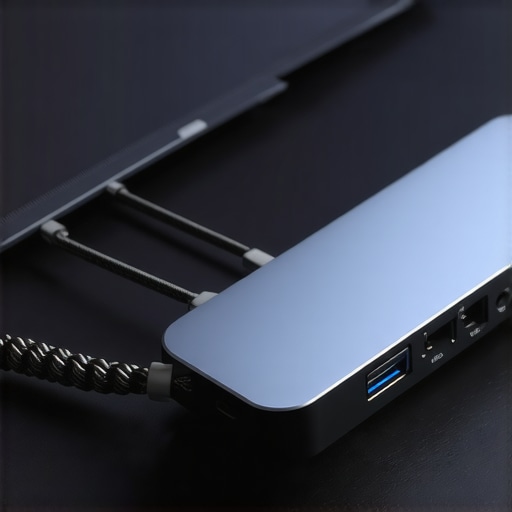
Transition from hardware help to a real business lead
When you see someone panicking—scanning the walls for an outlet or frantically digging through their bag—that is your opening. Don’t make it a formal introduction. Just slide your extra-long cable over and say, ‘I’ve got a spare if you need a quick boost.’ This simple act completely bypasses the awkwardness of the subtle art of networking at the communal office printer. Once you have solved their immediate problem, the social barrier is gone. If the conversation starts to shift toward work and looks like it might have legs, suggest moving to a more professional environment. Discussing high-level strategy in a crowded lounge is risky. Knowing how to choose the perfect conference room for business success allows you to take that initial spark and turn it into a formal pitch.
Don’t let the momentum die in the hallway
I’ve seen dozens of potential partnerships fizzle out because the founders didn’t have a plan for the next five minutes. Once you’ve built rapport, you need to lead the way to a quiet space. You must know how to find a conference room that actually has working adapters so the momentum isn’t killed by a dead screen. I remember saving a colleague’s battery and then spending twenty minutes in a nearby suite sketching out a joint venture. Because I knew how to maximize productivity in your startups conference rooms by 0245 pm, we didn’t waste time on tech setup; we went straight to the numbers. If you are bringing someone into your space, remember that the lighting trick that makes your product demo look expensive can make a shared room feel like a custom studio. Never underestimate the cost of a bad first impression why your home office is a liability when you are trying to close a deal. Be the person who provides the power, the connection, and the professional space to get the job done.
Stop chasing free coffee and start checking the bandwidth
Most founders choose their workspace based on the wrong metrics. They look for the ‘vibe,’ the local art on the walls, or the quality of the espresso machine. While those are nice, they are often distractions from the metrics that actually impact your bottom line. I have seen countless startups fail because they fell for the truth about free perks you never actually use while ignoring the infrastructure. In my experience, the shiny amenities are the easiest way to mask a workspace that lacks real utility. If you aren’t calculating the hidden drag of slow office wi-fi on your burn rate, you are making a rookie mistake. A professional doesn’t care about the nitro cold brew if the upload speeds drop during a client demo. You need to look past the surface and evaluate the space as a tool, not a lifestyle brand.
Can a glass wall actually kill your chances of closing a Series A?
Everyone loves the aesthetic of a sleek, glass-enclosed meeting room. It feels modern, transparent, and ‘startup-y.’ However, this is one of the most dangerous traps in the world of shared spaces. Glass is a nightmare for acoustic privacy. If you are discussing a sensitive valuation or a new patent, how to keep your startups trade secrets safe becomes nearly impossible in a room that leaks sound like a sieve. I once watched an investor walk away from a deal because he could hear every word of a competing pitch happening in the room next door. He didn’t trust the environment, and by extension, he didn’t trust the founder’s discretion. You must learn how to vet a meeting room for acoustic privacy before booking your next high-stakes session. Research published in the Journal of Corporate Real Estate suggests that ‘conversational privacy’ is the single most important factor for executive productivity in flexible offices, yet it is the most frequently ignored. 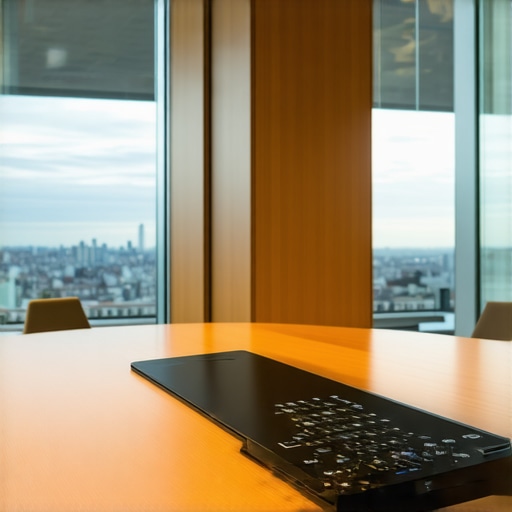
The acoustic test you should never skip before your next big demo
The nuance that separates the pros from the amateurs is the preparation of the physical environment. Most people walk into a room, open their laptop, and hope for the best. That is a recipe for disaster. If you haven’t performed the acoustics test every conference room should pass, you are leaving your reputation to chance. I’ve learned that why your pitch deck wont save you from a noisy meeting space is a lesson that costs founders thousands in lost opportunities. It isn’t just about noise; it’s about how the room reflects your brand’s attention to detail. If you are struggling with a poorly designed space, there are ways to fix it. Knowing creative coworking tips for transforming meeting rooms can save a bad situation, but the better move is to be selective from the start. Have you ever fallen into this trap of choosing style over substance? Let me know in the comments.It’s one thing to survive a single meeting with a borrowed charger; it’s another to sustain a 60-hour work week without a hardware failure. I eventually graduated from my ‘Hero Cable’ to a full-blown mobility stack. The centerpiece of my bag is a 100W GaN (Gallium Nitride) charger. Unlike traditional silicon-based chargers, GaN technology allows for significantly higher power density in a smaller footprint. According to research published in Nature Electronics, GaN-on-Si transistors offer nearly a 40% reduction in energy loss compared to legacy tech, which means my charger doesn’t overheat and die when I’m pushing 4K video to a conference room screen while charging two devices. If you are still using the bulky brick that came with your laptop, you are flirting with disaster. I’ve learned that why a basic warranty wont save your startup from a hardware disaster is the hard truth of the nomadic road. Being prepared isn’t a hobby; it’s a maintenance requirement for your career.
Pack your bag like a pro or stay at home
When you move from a solo operation to a scaling team, your toolset needs to evolve from ‘survival’ to ‘infrastructure.’ I don’t just carry cables anymore; I carry a diagnostic kit. This includes a dedicated Wi-Fi analyzer and a physical Ethernet adapter. You’d be surprised how many ‘premium’ spaces have dead zones. I’ve seen teams lose thousands in billable hours because they didn’t realize the hidden drag of slow office wi-fi on your burn rate was eating their margin. By using a tool like NetSpot to map out the signal strength in a new space, I can claim the high-performance zones before the crowd arrives. It’s about being proactive rather than reactive.
How do I keep my mobile office from falling apart?
Maintaining your edge isn’t just about the hardware; it’s about the routine. Every Sunday evening, I perform what I call the 10-minute audit to see if your office space is wasting money and if my gear is actually ready for the week. I check for frayed braided jackets on my cables, update the firmware on my noise-canceling headphones, and ensure I haven’t left a proprietary adapter in a random startup conference room. This discipline prevents the ‘silent killers’ of productivity—like discovering your HDMI adapter is dead exactly three minutes before an investor call. 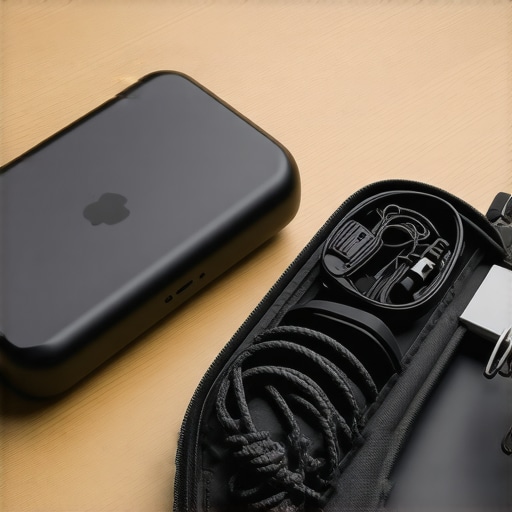
Don’t let your growth outpace your infrastructure
As your startup grows, you’ll reach a point where the truth about hot desking becomes painfully obvious: it doesn’t work for a collaborative engineering team. You have to know when to stop hot desking and move toward a dedicated suite. This transition is where how to manage office politics in a space you dont own becomes your most valuable soft skill. You are no longer just a guest; you are an anchor in the community. When you transition to a larger footprint, remember that why ergonomic furniture is the best investment for your seed round isn’t just about comfort—it’s about employee retention and health. If you’re still in the early days, you might try the strategy for splitting a single membership between two partners to stay lean, but always have a roadmap for when you’ll need a more permanent home. The future of work isn’t just ‘remote’; it’s ‘hypermobile,’ where the best-equipped teams will always outpace the ones stuck at home. My challenge to you: This week, perform a tech audit of your bag. If you are still using a basic power strip, replace it with a 100W GaN charger and see how much faster your workflow becomes when you aren’t waiting on a slow charge. Stop being the person looking for an outlet and start being the person who owns the power.
Lessons from Five Years in the Coworking Trenches
After half a decade of scaling businesses in shared environments, I’ve realized that the most successful founders aren’t the ones with the loudest voices, but the ones who facilitate the best flow. First, understand that tech hospitality is a genuine social currency; lending a high-speed charger isn’t just about electricity, it’s a low-pressure way to demonstrate your reliability. Secondly, never underestimate the power of proximity. I’ve learned that why small talk at the printer is the most valuable part of your day is because it transforms a stranger into a potential collaborator in under sixty seconds. Finally, your environment is a silent partner in your negotiations. If you can’t control the volume of the room, you lose control of the narrative. I’ve had to learn how to handle a loud phone talker when you have no private office without burning bridges, a skill that has served me better than any negotiation seminar.
The Non-Negotiable Kit for Scaling Founders
To move beyond mere survival, you need a toolkit that removes every possible friction point for you and those around you. I recommend three specific pillars for your mobile office. Start with a dedicated Wi-Fi analyzer app like NetSpot to ensure you aren’t sitting in a dead zone that kills your upload speeds. Next, invest in a high-fidelity external microphone, as the acoustics hack for crystal clear client pitches often comes down to the hardware you bring into the room, not just the room itself. Lastly, always keep a physical Ethernet-to-USB-C adapter; when the wireless spectrum gets crowded during peak hours, being the only one with a hardwired connection is a massive competitive advantage. These aren’t just gadgets; they are the infrastructure of your professional reputation. #IMAGE_PLACE_HOLDER_E#
Your Journey Starts with a Spare Port
The transition from a lonely home office to a high-energy startup hub is the moment your business starts to breathe. It’s where serendipity meets strategy. By arriving prepared with a ‘Bridge Kit’ and a mindset of micro-hospitality, you aren’t just renting a desk; you are building a platform for your next big breakthrough. As you scale, remember to utilize startup success secrets for choosing the perfect conference room so your environment always matches the caliber of your vision. The world of coworking is built on these small, physical interactions that lead to massive digital wins. Don’t just wait for the battery to die—be the one who provides the spark. What’s the one tech disaster that nearly cost you a deal in a shared workspace? Let me know in the comments below.