

The silence was the first thing that hit me. After months of thriving in the beautiful, caffeinated chaos of a hot-desk zone, my team finally leveled up to our first private office suite. I expected a champagne toast; instead, I got the sound of four people typing in a room that felt like a sensory deprivation tank. We had spent so long figuring out when to stop hot desking that we forgot to ask what would happen to our soul once we closed the door. Within 48 hours, our Slack notifications tripled while our actual laughter plummeted. We were sitting five feet apart, yet we were more isolated than ever. If you are feeling that weird, sterile vibe after your big move, I promise you aren’t doing it wrong—you just haven’t learned the new rules of the game yet. Today, I’m going to show you how to keep your team’s energy alive when you finally have four walls of your own.
Why the silence in your new suite is actually a warning sign
I made a massive mistake during our first month in a private office: I assumed our culture was portable. I thought that because we were the same people who crushed deadlines in a noisy lounge, we would be the same people behind a glass door. I was wrong. When you are in an open-plan area, culture happens to you. You overhear a joke, you see a teammate’s frustration, and you jump in. But in a suite, you have to be intentional. In those early days, I stopped managing noise complaints and started managing the eerie quiet. We realized that without the external hum of the coworking community, we had to create our own weather. According to research published by the Harvard Business Review, physical proximity—the ‘bump factor’—is the single greatest predictor of collaboration. When you move to a suite, you’ve essentially built a cage around that bump factor. Have you noticed your team becoming more formal or ‘closed off’ since you moved into your own private space?
Will a private door kill your team’s creative spark?
Many founders fear that the ‘prestige’ of a private office will turn their scrappy startup into a boring corporate satellite. It is a valid concern. I’ve seen teams lose that raw edge because they stopped interacting with the wider world. We found that creating a collaborative culture within a suite requires a hybrid mindset. You need the privacy for the deep work, but you have to force the team out for the ‘peripheral’ moments. I remember one specific Tuesday where we didn’t leave our room for six hours. We were miserable. The fix? We started treating the suite as our ‘war room’ but the communal kitchen as our ‘break room.’ If you don’t keep transitioning your team back into the public spaces, you’ll find your innovation starts to stall. It’s about balance, and it starts with realizing that your new office shouldn’t be an island.To fix the ‘sterile suite’ syndrome, you have to treat your private office like a hub, not a destination. Think of your office suite as the pit stop in a Formula 1 race; it is where the high-intensity work happens, but the race is won out on the track. If your team never leaves the pit, they will never see the finish line.
Reclaim the ‘Bump Factor’ your four walls tried to kill
The biggest threat to your team’s agility is the threshold of your own door. In an open-plan space, you are forced to be social, but in a suite, you have to choose it. I learned this the hard way when I noticed our most senior engineer had not spoken to a human outside our company in three weeks. He was brilliant, but he was becoming an island. We had to rethink how to create a collaborative culture that did not stop at the glass.
Stop eating lunch at your desk immediately
This sounds like a minor detail, but it is the most effective cultural lever I’ve ever pulled. In our first month, we all sat around our new desks with salads in plastic containers, staring at screens. It was depressing. I finally banned ‘desk lunches’ and moved us to the shared lounge. Not only did our mood improve, but within a week, our lead dev struck up a conversation with a freelance designer who ended up fixing a UI bug we had been struggling with for months. It reminded me why communal kitchens are the best place to find your next CTO or your next big solution.
Convert your private space into a high-intensity war room
Most private suites are treated like smaller versions of big corporate offices. Don’t do that. Instead, understand the difference between a standard meeting room and a real war room. We stripped out the fancy, formal layout and covered one entire wall in whiteboard paint. When things get heated or we need to pivot, we close the door and get messy. This is also why we swapped Slack for physical brainstorming sessions for anything that requires more than three messages to resolve. 
Use the building’s premium rooms for client-facing credibility
Just because you have a suite does not mean you should host every VIP there. Sometimes your private office feels a bit too ‘in the weeds’ for a high-level pitch. When we were closing our last seed round, we moved out of our suite and booked the largest boardroom on the top floor. Knowing how to handle high-stakes board meetings in a shared building means knowing when to use the amenities you pay for. It gives your team a psychological boost to step into a different environment for ‘the big show.’
Clean up the tech mess to lower the friction of starting
Nothing kills the momentum of a private brainstorm like spending ten minutes looking for a dongle. We spent our first week in the suite tripping over wires. If you want your team to actually use the space, you have to invest in the hardware. This is why your conference room needs better technology and fewer cables. We switched to a wireless casting system and mounted the chargers to the underside of the table. Suddenly, the ‘starting cost’ of a meeting dropped to zero.There is a dangerous myth in the startup world that the ‘ultimate’ workspace is a glass-walled box with minimalist furniture. We fell for it. We thought that looking like a Silicon Valley heavy hitter would make us think like one. In reality, we had created an acoustic fishbowl. If you can hear the person in the next suite sneezing, your ‘private’ strategy meeting isn’t actually private. Most founders overlook the fact that acoustic privacy is more important than aesthetic appeal when you are handling sensitive data. Before you sign that next lease extension, make sure you run the acoustics test every conference room should pass. If the walls are thin, your team will subconsciously self-censor, killing the very transparency you’re trying to build. Another common pitfall is the ‘visual distraction’ trap. Just because you have a private suite doesn’t mean you’re immune to the ‘open office’ eyes. If your glass walls face a high-traffic hallway, your team is still subconsciously tracking every person who walks by. I found that the acoustics hack for crystal clear client pitches often involves simply adding some frosted film or strategically placed plants. It sounds like a ‘Pinterest’ tip, but the surprising impact of office plants on team morale and output is real—they act as both a visual buffer and a sound absorber.
Why does your team suddenly stop brainstorming in the ‘fancy’ room?
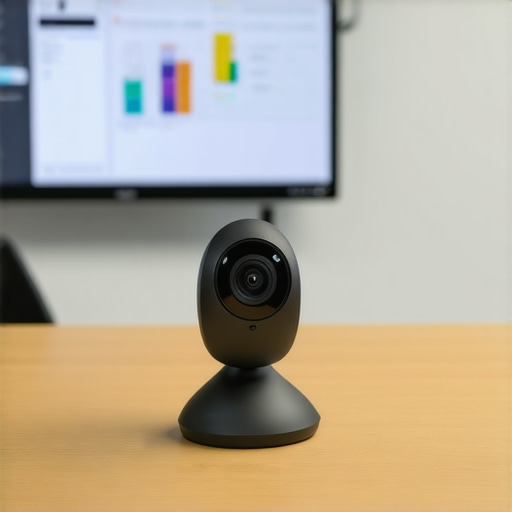
It sounds counterintuitive, but a room that is too polished can actually stifle innovation. I noticed my team was more creative in the messy shared kitchen than in our $2,000-a-month private conference room. This isn’t just a vibe; it’s science. Research from the University of Minnesota suggests that your team is more creative in a room with high ceilings because it triggers a sense of freedom and relational thinking. Low-ceilinged, high-end boardrooms are great for detail-oriented work—like proofing a contract—but they are the death of ‘big picture’ thinking. We eventually realized that your meeting room needs to be more than just a table; it needs to match the psychological ‘task’ at hand. The ‘Oops’ factor often comes down to logistics. I’ve seen founders waste thousands because they didn’t realize the two-pizza rule for booking the right size meeting room applies to physical space as much as team size. Putting three people in a 20-person boardroom creates a psychological distance that makes collaboration feel formal and stiff. Instead, you should be transforming meeting rooms into collaboration hubs that feel intimate.  This is where we went wrong: we prioritized ‘prestige’ over the actual flow of work. Don’t let the ‘professional’ look of a sterile suite trick you into thinking it’s functional. If you aren’t maximizing productivity in your startup’s conference rooms through sensory management, you’re just paying for an expensive cage. Have you ever fallen into this trap of choosing the ‘impressive’ room over the ‘effective’ one? Let me know in the comments.I used to think that once we secured the suite, the hardest work was behind us. I was wrong. The real challenge is maintenance—not of the furniture, but of the momentum. I realized quickly that your conference room needs better technology and fewer cables because every minute spent untangling a HDMI cord is a minute where a breakthrough idea dies. I personally swear by the Meeting Owl 3 for our hybrid sessions. We didn’t just buy it for the 360-degree view; we bought it because it makes our remote devs feel like they are actually at the table, not just ghosts on a screen. When we show off our progress to stakeholders, your pitch deck looks better on a forty-inch screen than a laptop, and that sense of scale matters for team morale.
  Beyond hardware, you have to navigate the social friction of being in a larger building. Learning how to manage office politics in a space you don’t own is a survival skill. I make it a point to grab a coffee with the building manager once a month. It sounds like ‘busy work,’ but when our AC failed during a record heatwave, guess whose suite got prioritized for a temporary unit? These small, intentional connections ensure you’re maximizing productivity in your startup’s conference rooms by removing the external friction points that usually slow you down.
How can you keep that Day 1 energy from fading into a cubicle coma?
Maintenance isn’t just about the hardware; it’s about the rituals you protect. According to the 2024 Gartner Hybrid Work Experience Survey, 54% of employees say that their office culture is the primary reason they stay at a company, but that culture needs ‘active cooling’ to keep from overheating in a private room. We instituted a ‘Suite Reset’ every Friday at 4:00 PM. We clear every surface, wipe down the whiteboards, and reset the room to zero. It prevents the ‘startup clutter’ from turning into ‘corporate sludge.’ Looking ahead, I see a massive shift in how we work. The future of conference rooms in startup ecosystems isn’t about more screens; it’s about more sensory control. We’re going to see suites that automatically adjust lighting and soundscapes based on the task—focus mode vs. storming mode. By understanding why flex space is the ultimate hedge against market volatility, you can adapt these tools without the crushing weight of a 10-year traditional lease. If you want to see a massive shift in your team’s output today, I challenge you to try the ‘Suite Reset’ this Friday. Clear the decks and see if the silence on Monday morning feels less like a warning and more like a fresh start.
The brutal truths I learned about living behind glass
Moving into a suite taught me that physical walls can inadvertently create mental barriers. I didn’t realize that by closing our door, I was accidentally signaling to the rest of the building that we were done with the networking that helped us grow. I also learned that the logistics of scaling a hybrid team without a corporate HQ requires more than just a keycard; it requires a culture of radical transparency that you have to actively protect. If you find your team is hiding behind their screens more often, it is time to break the routine. We found that the logistics of moving your startup to a professional space often involves more psychological preparation than physical packing to keep the energy high.
Tools that keep our team from turning into corporate robots
When it comes to gear, don’t just buy the cheapest option. We learned the hard way that why a basic warranty won’t save your startup from a hardware disaster is a lesson best not learned ten minutes before a board meeting. I highly recommend the Meeting Owl 3 for maintaining that ‘same room’ feeling with your remote workers. We also switched to using Miro on a large touch-screen monitor to keep our brainstorms tactile and messy. For those just starting out, how to pick an office that fits your startup’s growth pace is a crucial guide for choosing the right square footage today so you do not overpay for empty desks tomorrow.
Your four walls are just the beginning of the story
Moving into a private suite is not the finish line; it is the start of a more focused, high-intensity chapter for your company. By mastering your use of the startup, coworking, conference room, and meeting rooms, you are giving your team the professional foundation they deserve. It is about taking the scrappy energy of the garage and the professional polish of the boardroom and blending them together. For more specific tips on that transition, check out startup success secrets choosing the perfect conference room to ensure your next big investor pitch is a winner. #IMAGE_PLACEHOLDER_E# Have you felt the ‘silence’ or a drop in energy after moving into a private office for the first time? Let me know your experience in the comments below.