

I will never forget the time I walked into what was supposed to be a premium conference suite for a high-stakes seed round pitch. I opened the door, and instead of the smell of success, I was greeted by the suffocating scent of damp polyester and thirty years of trapped dust. It was that classic old carpet smell—the kind that makes your eyes water and your brain go fuzzy within seconds. I spent the first ten minutes of the meeting trying to discreetly breathe through my mouth while my potential investors looked like they wanted to run for the emergency exit. That was the moment I realized that how to choose the perfect conference room for business success isn’t just about the furniture or the Wi-Fi speed. It is about the sensory experience. If your room smells like a wet basement, your ideas are going to feel just as damp to everyone else in the room.
The Day My Best Pitch Died in a Windowless Box
We have all been there. You find a great deal on a room, the photos look fine on the website, but then you arrive and the vibe is just heavy. My biggest mistake early on was prioritizing price over air quality and maintenance. I thought a chair was a chair. I was wrong. When you are ditching the basement for a professional environment, you have to look for signs of life, not just square footage. I have learned the hard way that how to spot a toxic coworking vibe in under five minutes often starts with your nose. If the air is stagnant, the ideas will be too. Today, I am going to show you exactly how to vet a space before you sign the rental agreement or book that four-hour block. We are not just looking for pretty tables. We are looking for ventilation, high-quality flooring, and a checklist for a boardroom that doesn’t feel like a hospital. Because let’s be real: your team and your clients deserve better than a windowless box that smells like a thrift store.
Is a High-End Meeting Room Actually Worth the Cash?
You might be thinking that as a scrappy startup, the smell does not really matter as long as the code is good. Honestly, it matters more than you think. According to a study by the Harvard T.H. Chan School of Public Health, cognitive function scores for workers in green, well-ventilated offices were double those of workers in conventional office environments. That is the difference between a breakthrough and total brain fog. If you have ever wondered why your team is more creative in a room with high ceilings, it usually comes down to better air circulation and psychological breathing room. Have you ever had to cut a meeting short just because the air felt too heavy to think? It is a productivity killer we rarely talk about but everyone feels. Finding the right spot is a science. You need to know the acoustics test every conference room should pass and why your conference room needs better technology and fewer cables. Let’s dive into the practical steps to ensure your next booking doesn’t leave you gasping for fresh air.
Stop Trusting the Glossy Web Photos
I’ll be honest: most floor plans you see online are lies of omission. They show you the square footage, but they don’t show you the giant pillar blocking the screen or the hum of the server room next door. When you are looking for innovative meeting rooms that boost startup creativity, you need to go beyond the aesthetic and look for functional integrity. This means looking at the hardware, the airflow, and the hidden traps that ruin a good pitch. You need the exact checklist for vetting a high-stakes board room before you put your reputation on the line.
The Three-Second Clap Test for Sound Integrity
The first thing I do when I walk into a potential rental is stand in the center and clap once, loudly. If the sound rings or echoes like a cathedral, your clients are going to spend the whole hour struggling to focus on your voice. Worse, if you can hear the person in the next room sneezing, they can hear your trade secrets. This is why you must how to vet a meeting room for acoustic privacy before booking. I once lost a sensitive negotiation because the ‘private’ suite I booked was separated from a rowdy coffee break area by nothing more than a thin sheet of drywall. Every laugh from outside punctuated my serious financial projections, making the whole vibe feel like a joke. Don’t skip the acoustics test every conference room should pass just because the chairs are ergonomic.
Verify the Tech Before Your Guests Arrive
Nothing kills the momentum of a startup pitch faster than a ‘No Signal’ message on a sixty-inch screen. I have learned that your conference room needs better technology and fewer cables, but you have to verify those cables actually work. Last year, I booked a ‘high-tech’ hub for a series of demo calls. It looked like a set from a sci-fi movie, but the HDMI port was loose and the Wi-Fi was so throttled I couldn’t even screenshare a PDF. I looked like an amateur because I didn’t check for how to find a conference room that actually has working adapters. Always ask about the bandwidth—the hidden drag of slow office wi-fi on your burn rate isn’t just about lost time; it is about lost confidence from your investors.
How to Sneakily Test the Air Quality
If you walk into a room and it feels five degrees warmer than the hallway, walk away. That is a sign of poor circulation that will turn into a swamp once you add five people and their laptops. A lack of fresh air leads to the ‘afternoon slump’ where everyone starts nodding off. When you how to use a day pass to test your next potential office, spend an hour in that specific room. Does it get stuffy? Is there a weird hum from the AC? These small details are the difference between a high-energy breakthrough and a room full of people watching the clock. Your goal is to find a space that supports the work, not a space you have to fight against just to stay awake.Air quality and tech checks are just the baseline. If you want to master the art of the pitch, we need to talk about the biggest myth in the startup world: the idea that a bigger, more expensive room equals more authority. In my experience, over-engineering your environment is a fast track to killing your team’s momentum. When you are following startup success secrets choosing the perfect conference room at 0817 am, you have to realize that a room that is too large creates a psychological chasm between you and your investors. If there are four of you in a room built for twenty, your energy dissipates into the corners. I call this the ‘Empty Stadium Effect,’ and it makes your startup look smaller, not bigger. Instead, you should lean into the two-pizza rule for booking the right size meeting room to keep the intensity high and the conversation tight.
Why Does Your Team Still Prefer Huddling in the Hallway Over That Expensive Suite?
It usually comes down to the ‘hospital’ vibe. Many premium spaces prioritize aesthetics over comfort, resulting in a checklist for a boardroom that doesn’t feel like a hospital that most managers ignore. According to the Gensler Research Institute’s workplace surveys, the most effective collaboration happens in spaces that offer ‘high-performance variety’—not just four white walls and a glass table. If the room feels too clinical, your team will subconsciously self-censor. This is where you see the difference between a standard meeting room and a real war room 2. A war room is lived-in, messy, and functional, whereas a standard suite is often just a showpiece. 
The Fatal Trap of the Name-Brand Office
The ‘oops’ factor for most founders is booking based on the brand of the coworking chain rather than the specific unit’s layout. I once booked a ‘premium’ suite at a global coworking giant only to find out the walls were made of glass that didn’t go all the way to the ceiling. We were discussing sensitive IP, and I could hear a freelance graphic designer in the next booth talking about his lunch. You have to know how to manage office politics in a space you dont own, which includes vetting the physical security of your sounds and screens. Remember, why your meeting room needs to be more than just a table 2 is about creating a sanctuary for your ideas. If you are constantly looking over your shoulder or worrying about who is eavesdropping, you aren’t doing your best work. Have you ever fallen into this trap of picking a room that looked great on paper but failed the ‘privacy test’ in real life? Let me know in the comments.To avoid the ‘No Signal’ nightmare, I have started carrying a ‘Digital Life Support’ bag. It is not just about chargers—though why our private office suites stock extra surface pro chargers for members is a life-saver for most—it is about the adapters that actually sustain a signal. I never trust a ‘universal’ dongle provided by a space. I carry my own active HDMI-to-USB-C adapter with a built-in signal booster. Why? Because the cable run behind a conference table is often longer than ten feet, and passive adapters lose data packets over that distance. If you want to know how to maximize productivity in your startups conference rooms by 0245 pm, you need to be the person who brings the 100W PD charger so the CEO’s laptop doesn’t die during the final slide. I also use a mobile Wi-Fi analyzer like ‘Ubiquiti WiFiman’ to check for channel interference before a call. According to technical documentation from Cisco on ‘Wireless High-Density Design,’ overlapping channels in shared spaces can drop your effective throughput by 50% without you ever seeing a ‘disconnected’ icon. Be the one who checks the 5GHz band before the investors walk in. 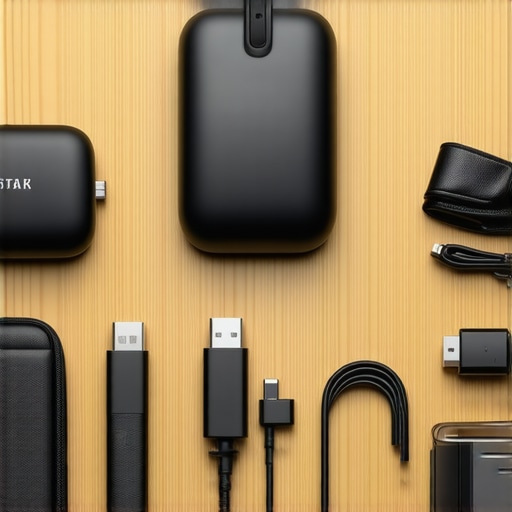
How do I maintain meeting room standards as my team grows?
As you move from a two-person hustle to a twenty-person operation, the logistics of scaling a hybrid team without a corporate hq 2 becomes your biggest headache. You cannot personally vet every room anymore. This is where I implemented the ’15-Minute Protocol.’ Before any high-stakes meeting, the designated lead must arrive 15 minutes early to test the specific AV setup and check for the sensory ‘smell test’ I mentioned earlier. We also realized that why a basic warranty wont save your startup from a hardware disaster applies to rented spaces too; if the room’s gear fails, you need a backup plan like a portable projector or a high-end speakerphone in your trunk. Maintaining quality is about redundancy, not just hope.
The 2030 Boardroom is Invisible
Looking ahead, I predict the future of conference rooms in startup ecosystems won’t be about bigger screens, but about ‘smart environment’ integration. We are moving toward spaces that automatically adjust lighting and CO2 levels based on the number of heartbeats in the room. Imagine a room that pumps in more oxygen when it detects the energy dipping—that is the level of performance we should expect. I challenge you to try this next time: instead of just booking the first room you see, download a Wi-Fi analyzer and spend five minutes mapping the dead zones in your favorite coworking hub. You will never look at a ‘five-star’ room the same way again.
Three Startup Myths That Ruined My Early Meetings
I used to think that premium always meant better performance, but that is an expensive mistake. First, avoid the free coffee trap: a space with a flashy espresso machine often hides a terrible Wi-Fi network. Second, beware the glass wall illusion: those beautiful floor-to-ceiling glass panels are often acoustic nightmares that invite every passerby to eavesdrop on your seed round discussions. Finally, don’t fall for the downtown premium bias. Sometimes why we chose a local hub over a generic corporate park is because the local spot actually maintains its hardware, while the global brand relies on its name alone and lets the tech gather dust.
My Minimalist Toolkit for On-the-Go Meetings
Before you commit your reputation to a space, you need more than just a gut feeling. I personally rely on Wi-Fi analyzer apps to spot dead zones in seconds; it has saved me from countless dropped Zoom calls. I also never leave home without a 100W PD charger because why our private office suites stock extra surface pro chargers for members taught me that power failure is the ultimate momentum killer during a pitch. Lastly, I always check the privacy policy of the coworking network to ensure my guest data isn’t being harvested on an open network. These small steps are how you move from a scrappy look to a professional powerhouse.
Take Your First Step Out of the Home Office
It is easy to get paralyzed by choices, but the best thing you can do is just start testing environments. Whether you are how to transition your team from a garage to a real office 2 or just looking for a spot for a single high-stakes afternoon, remember that your environment is a direct extension of your brand. When you finally master how to choose the perfect conference room for business success, you are investing in your team’s focus and your client’s confidence. Go book that trial day, run your acoustic tests, and find the space where your best work finally happens. Have you ever had a high-stakes meeting ruined by a luxury room that actually lacked the basic tech? Let me know your horror stories in the comments below!