

I was sitting at my favorite corner spot in the local hub, headphones clamped tight, trying to ignore the guy two chairs down who was apparently narrating his entire life story into a headset. I had my “reserved” sign—a half-empty coffee cup—strategically placed, but I felt like a squatter. That was the moment I realized my “lean” strategy was actually making us look small and act even smaller. We will look at exactly when you should stop hunting for the best desk every morning and finally get a door that locks. [IMAGE_PLACEHOLDER]
The day my hot desk became a liability
In those early days, I bragged about how low our overhead was. We were agile! We were coworking purists. But then came the afternoon when I had to host a potential lead investor. I found myself frantically searching for how to find a meeting room on a Friday afternoon, only to realize everything was booked solid. We ended up pitching in a noisy lobby, and I could see the distraction in her eyes. It was a classic “penny wise, pound foolish” error. According to a study by Oxford Economics, ambient noise can reduce productivity by up to 66%, and for a startup trying to scale, that is a burn rate you simply cannot ignore. Whether it is the truth about hot desking being a focus killer or just the lack of a home base, the friction eventually costs more than the rent.
Is a private suite actually worth the extra cash?
I get the skepticism. You see that monthly invoice jump and your stomach churns. I spent months convincing myself that as long as we had a laptop and a dream, the environment did not matter. I was wrong. What you are really paying for is not just four walls; it is the ability to have a private conversation without wondering if the guy at the next table is a competitor. You are buying the right to stop worrying about keeping your trade secrets safe in a high-traffic zone.
Stop acting like a nomad and start building a home
There is a visceral psychological shift that happens when you move from a backpack-and-laptop lifestyle to a dedicated space. When we finally made the leap, our team culture transformed overnight. We were not just a group of people sharing a Wi-Fi password anymore; we were a company with a mission. If you have been wondering when to stop hot desking, you have probably already hit the limit of what a communal table can offer. The move that helped us scale from a handful of people to a real team was entirely about legitimacy and focus. Have you ever felt like your current workspace is actually holding your growth back? Let me know if you are stuck in that “too big for a desk, too small for a lease” limbo.
Run a brutal audit of your team’s daily friction
If you want to know if you are ready to graduate from the public lounge, stop looking at your bank account for a second and start looking at your calendar. We spent three weeks tracking every time a developer had to move because of a loud phone call or every time a sales call was rescheduled due to bad background noise. That is when I performed the 10-minute audit to see if your office space is wasting money and the results were staggering. We were losing nearly fifteen hours of collective deep work per week just to ‘context switching’ caused by the environment. If your team is spending more than 10% of their time just managing their surroundings, you are already paying for a private office in lost productivity; you just do not have the walls to show for it.
Identify your must-have amenities before signing
Most founders get distracted by the fancy espresso machine or the ping-pong table. Ignore those. Focus on what actually facilitates revenue. For us, that meant high-speed dedicated lines and soundproofing. I remember hosting a high-stakes demo where I had to use the acoustics hack for crystal-clear client pitches just to keep the echoes from a nearby hallway out of my microphone. It was a stressful way to live. When vetting your first suite, check the ceiling tiles, the door seals, and the proximity to high-traffic areas like the kitchen. You want to be close enough for coffee, but far enough that the smell of burning popcorn does not ruin your morning board meeting.
Choose a room that actually closes the deal
Your choice of where to host guests is a non-verbal signal of your company’s health. I once made the mistake of booking the cheapest available space for a series A pitch. It smelled like old carpet and the HDMI adapter was frayed. I spent the first ten minutes of the most important meeting of my life crawling under a dusty table while the investors checked their watches. That was the day I learned how to choose the perfect conference room for business success. Look for spaces that offer seamless tech integration and professional support. If you are handling high-stakes board meetings in a shared building, you need to ensure the room is actually yours for the duration and that the ‘premium’ feel matches your pitch deck.
Avoid the five-year lease trap while you are still scaling
The biggest mistake you can make right now is over-committing to a long-term commercial lease. A lot of startups feel the pressure to have their own ‘standalone’ office to look ‘real,’ but why your first office should not be a 5-year commitment becomes clear the moment you need to hire five more people and realize you are out of floor space. Use flex terms to your advantage. We started with a four-person suite on a six-month rolling contract. This allowed us to follow the checklist for moving your startup into its first real office without the crushing weight of a long-term liability. It gave us the room to grow—and the room to fail—without a massive overhead bill hanging over our heads every single month.
Why that massive boardroom is actually killing your momentum
Most founders think they need a twelve-person boardroom to look impressive during a pitch, but it is often a trap. In my experience, a small team rattling around in a cavernous space feels ‘diluted.’ There is a lack of intensity that can kill the energy of a presentation. I have learned to live by the two-pizza rule for booking the right size meeting room: if the room is too big for the group to share two pizzas comfortably, the space is too large for a productive debate. Beyond just the optics, there is a contrarian truth about where the real work happens. While everyone focuses on the formal presentation, why the best business deals happen in the hallway not the boardroom becomes obvious once you realize the ‘boardroom’ is for confirming decisions, while the ‘hallway’ is where the actual influence is traded. If you are spending all your energy on the slide deck and none on the environment, you are missing the forest for the trees.
Does the ceiling height really change how we think?
It sounds like pseudoscience, but the architecture of your workspace literally re-wires your brain. A landmark study by Joan Meyers-Levy at the University of Minnesota found that ceiling heights directly impact cognitive processing. Higher ceilings encourage abstract, relational thinking—perfect for brainstorming—while lower ceilings favor detail-oriented, analytical work. This is exactly why your team is more creative in a room with high ceilings and why you should never try to map out a product roadmap in a cramped, low-clearance basement. When you are looking at the future of conference rooms in startup ecosystems, the trend is moving away from generic boxes and toward spaces designed for specific mental states.
Stop letting technical friction ruin your authority
There is nothing that kills a founder’s ‘expert’ aura faster than a five-minute struggle with a monitor cable. I have seen million-dollar pitches stall because of a missing dongle. You need to know how to find a conference room that actually has working adapters before you invite the big guns over. It is not just about the tech; it is about the atmosphere. I once used the lighting trick that makes your product demo look expensive simply by positioning our prototype under a warm spotlight rather than the harsh overhead fluorescents of a standard office. It changed the perceived value of our hardware overnight. Have you ever fallen into this trap where the ‘professional’ room actually worked against you? Let me know in the comments. We are all learning that the nuances of the room are just as important as the numbers on the screen.I realized eventually that ‘lean’ does not mean ‘unprepared.’ I now carry a dedicated ‘meeting survival kit’ everywhere because I learned the hard way that how to find a conference room that actually has working adapters is often a gamble you cannot afford to lose. I personally swear by carrying a high-quality thunderbolt dock and a portable speakerphone. Why? Because the built-in microphone on your laptop is an insult to your client’s ears. Gartner’s 2024 Digital Workplace report highlights that ‘audio-visual equity’ is the biggest driver of meeting engagement; if people cannot hear the nuance in your voice or see your screen clearly, they are not buying into your vision. Whether you are in a shared hub or your own suite, owning your tech stack is the first step toward long-term professional results. 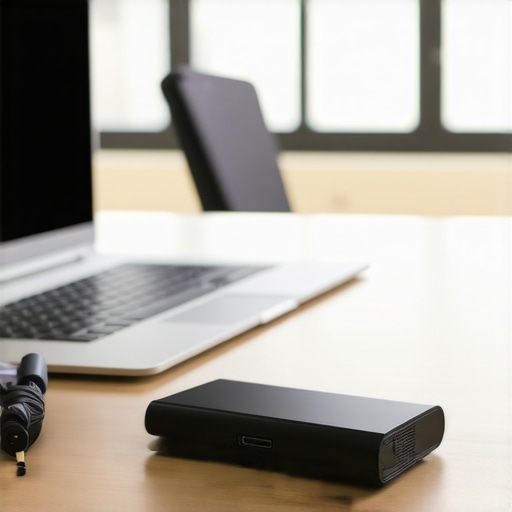
How do I maintain my team’s momentum over time?
When you transition to a bigger space, the ‘vibe’ often thins out. You have to be intentional. I have found that what happens to your culture when you move to a private suite can be a slow death by isolation if you do not keep the communal energy alive. We implemented a ‘zero-tech break’ rule in our private breakout area. It sounds counterintuitive for a tech firm, but why your team needs a breakroom that isnt just a kitchen table becomes obvious when you see the breakthrough ideas that happen over a non-work coffee. To keep the gears turning as we scaled, we also automated our logistics—specifically how to handle package deliveries without a permanent front desk staff—using a smart locker system. It saved us ten hours a month of ‘who signed for the server?’ Slack threads.
The future of the room is intelligent and invisible
Looking ahead, I see a massive shift toward ‘context-aware’ spaces. We are moving away from manually dimming lights and towards rooms that adjust their own acoustics and brightness based on the number of people inside. If you are looking at the future of conference rooms in startup ecosystems, expect to see more spatial audio and integrated AR becoming standard. My challenge to you is to audit your next three meetings. If you spend more than sixty seconds ‘getting the tech to work,’ you are failing your team’s productivity. Buy a dedicated, high-quality HDMI 2.1 cable today—because why a basic warranty wont save your startup from a hardware disaster is a lesson you do not want to learn during a high-stakes pitch. Start using the secret to running a board meeting that stays on schedule by ensuring your environment is a seamless asset rather than a hurdle.
What No One Tells You About the Cost of Staying Small
I used to think my lean overhead was a badge of honor, but I eventually realized it was actually a ceiling on our potential. The psychological weight of being a ‘guest’ in a public lounge every day starts to erode your team’s confidence. I saw firsthand how the move from a garage to a flex office fundamentally changes how your employees view their work; they stop acting like freelancers and start acting like stakeholders in a growing enterprise. Another hard truth is the truth about monthly versus daily memberships: that fixed monthly commitment actually creates a healthy pressure to perform and show up with intent. When you have a door that locks, your ‘creative capital’ isn’t being spent on finding a power outlet; it’s being spent on your product.
We also learned that startup success secrets choosing the perfect conference room often come down to psychological leverage. Hosting an investor in a space you ‘own’ for the hour, with your own tech and zero background noise, sends a signal of stability that no pitch deck can replicate. It turns a conversation from a plea for help into a professional partnership.
The Gear That Makes Our New Office Fly
Moving into a suite means you finally have the space to curate your environment. I personally swear by a ‘meeting readiness’ kit that stays in our private breakout room. Beyond just having the right chargers, we focused on innovative meeting rooms that boost startup creativity by adding portable whiteboards and high-fidelity speakerphones. To keep things running smoothly, we also learned how to maximize productivity in your startups conference rooms by setting a strict ‘no-laptop’ policy for brainstorming sessions. This tech-free approach, combined with the acoustic privacy of a private suite, led to more breakthroughs in three months than we had in the previous two years of hot-desking.
Give Your Team the Authority They Earned
#IMAGE_PLACEHOLDER_E# Don’t wait until you are already bursting at the seams to make the jump. The right environment is a catalyst for your next stage of growth, not just a reward for reaching it. We have seen how coworking spaces unlock innovation when they provide the right balance of communal energy and private focus. Start looking for your next home today and watch your company culture solidify into something truly formidable. Have you ever felt like your current workspace is actually holding your growth back? Let me know in the comments below!