

The smell of burnt espresso and the frantic clicking of my lead developer’s keyboard—that’s all I remember from the afternoon our biggest project stalled. We were crammed into a tiny corner of a local café, fighting for the last available outlet. My pitch deck was beautiful, but my team was exhausted and distracted. When the Wi-Fi cut out during a critical deployment, I realized we weren’t being ‘lean’ or ‘scrappy’—we were just struggling. I’d made the classic mistake of thinking that any space with a table and a plug was a workspace. It turns out, trying to build a future in a noisy coffee shop is a recipe for burn-out and missed deadlines. We needed a professional anchor, and we needed it fast.
The Moment I Knew Our Living Rooms Were Killing Innovation
We spent eighteen months as a ‘remote-first’ team, and on paper, it was perfect. No commute, zero overhead, and Slack channels for every possible topic. But in reality? We were losing our edge. Those spontaneous ‘aha!’ moments that happen over a physical whiteboard were replaced by awkward Zoom silences and laggy screen shares. I watched my team’s creative output drop, and I realized that the isolation of home offices was failing my developers just as much as a crowded cubicle would. We didn’t just need desks; we needed a pulse. That’s why we made the jump to a dedicated startup hub. Early on, I made the mistake of thinking we could just ‘hop’ between different free spots, but that lack of consistency meant we spent more time searching for a signal than writing code. [IMAGE_PLACEHOLDER]
Is a dedicated startup hub actually worth the extra overhead?
I’ll be honest: I was the biggest skeptic. I worried that the monthly membership would eat our runway and the ‘community’ would just be a bunch of people playing ping-pong. I was wrong. I eventually realized that proximity to other startups is a legitimate force multiplier for growth. We were paying for more than just a desk; we were paying for the energy of people who were solving the same problems we were. According to a study published in the Harvard Business Review, people who belong to coworking communities report levels of thriving that are significantly higher than those in traditional office environments. Today, I’m going to show you why moving your dev team isn’t about the square footage, but about the ecosystem. We’ll look at how to stop overpaying for things you don’t need and how to pick a space that actually makes your team faster. Have you ever felt like your team is just ‘going through the motions’ while working from home? I’d love to hear if you’ve felt that same disconnect. Establishing a physical anchor was the best decision I ever made for our culture.
Stop paying for square footage you never touch
Most founders think they need a corner office, but that’s just vanity talking. When I first signed a lease, I paid for a 10-person suite when my team was only three people. We were burning cash to look big. You need to stop overpaying for square footage you never use and focus on modularity. I learned the hard way that a desk is just a surface; it’s the amenities and the ability to scale that matter.
Why high-speed fiber isn’t a luxury
I remember a rainy Tuesday when we were trying to push a critical update to our beta users. Our home Wi-Fi gave out, and we ended up tethering to our phones in a panic. It was a mess. Now, before I even look at the coffee machine, I check the infrastructure. You must vet a space for high-speed fiber before you sign the contract. If the internet isn’t redundant, your business is at risk every time a cable gets clipped down the street. 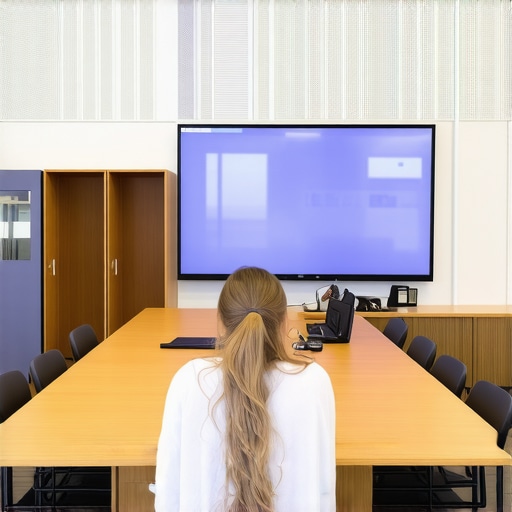
Give your developers the silence they deserve
If you put a developer in the middle of a high-traffic lounge, you’re basically setting their productivity on fire. Deep work requires a total lack of interruptions. I found that developers need quiet zones to reach deep flow. On the flip side, your sales team shouldn’t be whispering. I made that mistake once, and my lead rep lost a deal because he couldn’t speak up without getting ‘shushed’ by a neighbor. This is why your sales calls need a private phone booth to maintain professional intensity and privacy.
Master the art of the professional pivot
How to host demos that don’t glitch
Our first investor pitch happened in a noisy common area. We had to pass my 13-inch laptop around like a hot potato. It was amateur hour. When we moved to a real hub, we learned how to host a product demo that looks professional on a budget. Using a dedicated conference room with a large screen and a stable hardline changed everything. Investors didn’t just see a product; they saw a real company.
Check the boardroom before the high-stakes meeting
Not all meeting rooms are created equal. Some are just glass boxes that echo. I once walked into a ‘premium’ boardroom for a high-stakes meeting, only to find the HDMI cable was frayed and the table was wobbly. Now, I use the exact checklist for vetting a high-stakes board room every single time. You need to know that the tech works before the board arrives, or you’ll spend the first fifteen minutes of your pitch playing IT support instead of closing the round.Let’s dig deeper into the stuff no one tells you during the sales tour. Everyone assumes that a meeting room is a neutral utility—a box where people talk. But in my experience, the wrong room can actually sabotage your culture. I’ve seen teams lose their momentum because they were distracted by the very thing meant to help them. One of the biggest misconceptions is that transparency always equals glass walls. While they look sleek in photos, understanding why your startup needs a real door becomes obvious the moment you have to discuss a pivot that isn’t public yet.
The glass wall trap everyone falls into
The biggest ‘oops’ factor I wish I’d known early on was choosing aesthetics over acoustics. You’ll walk into a room with high ceilings and industrial concrete, thinking it’s ‘on brand,’ only to realize it sounds like a literal cave during a Zoom call. A study by Steelcase found that employees lose significant productivity due to noise distractions and lack of privacy in open environments. If you can’t hear the investor’s question over the reverb, you’ve already lost the room. I eventually learned that acoustic fixes for echoey conference rooms are non-negotiable for serious work. 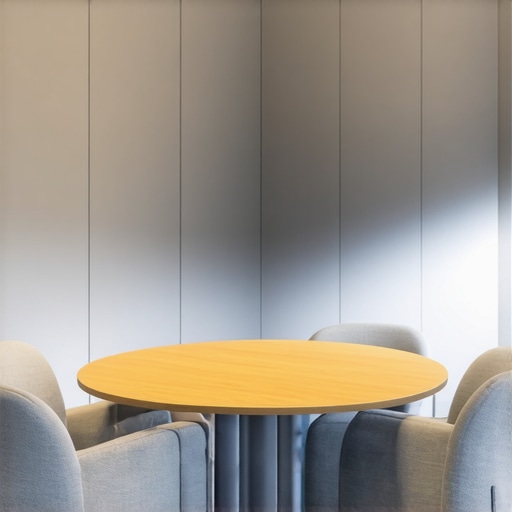
How do you handle sensitive HR meetings in a shared space?
This is the advanced level of coworking that most founders ignore until it’s too late. You can’t just walk into the communal kitchen and talk about payroll or performance issues. I had to learn how to handle a sensitive HR meeting in a shared space without the entire floor knowing our business. It involves more than just closing a door; it’s about timing and intentional room selection. Have you ever fallen into this trap where everyone is staring into your ‘private’ glass-walled office while you’re trying to have a hard conversation? Let me know in the comments.
Layout matters more than the fancy chairs
Another nuance people miss is the U-shape fallacy. We were taught that everyone should face each other in a circle, but why your meeting room layout is killing participation often comes down to the subtle hierarchy the furniture creates. If the CEO is at the ‘head’ of a long rectangle, the rest of the team often shuts down. We swapped to round tables or standing high-tops, and the creative energy shifted instantly. It’s a prime example of why your meeting room needs to be more than just a table; it needs to be a tool for psychological safety. Finally, consider the long game. Most founders get blinded by the immediate ‘vibe,’ but the logic of choosing a flex office over a 5-year lease is about preserving your agility. A long-term commitment is a bet that your team won’t change size or direction for half a decade. In the startup world, that’s an eternity. Don’t let a pretty lobby trick you into a rigid future.Scaling isn’t about getting a bigger sign on the door; it’s about the invisible tools that keep the wheels turning. I spent years thinking my laptop and a fast connection were enough, but as we grew, I realized my team’s flow was constantly interrupted by tiny, preventable friction points. We had to learn how to keep your startups trade secrets in an open office because as your headcount grows, your competitive footprint expands too. I started carrying a dedicated ‘meeting kit’ in my backpack: a Jabra Speak 710 speakerphone and a backup LTE hotspot. Why? Because even the most premium coworking space can have a bad day, and you need to maximize productivity in your startups conference rooms by bringing your own redundancy. It’s also about operational speed. I eventually taught my team how to book a meeting room in under sixty seconds so they didn’t waste mental energy on administrative hurdles when a creative spark hit. According to technical documentation from the Cisco Visual Networking Index, network density will soon be the primary bottleneck for shared workspaces, with billions of new devices hitting IP networks annually. This makes your choice of infrastructure more critical than ever. 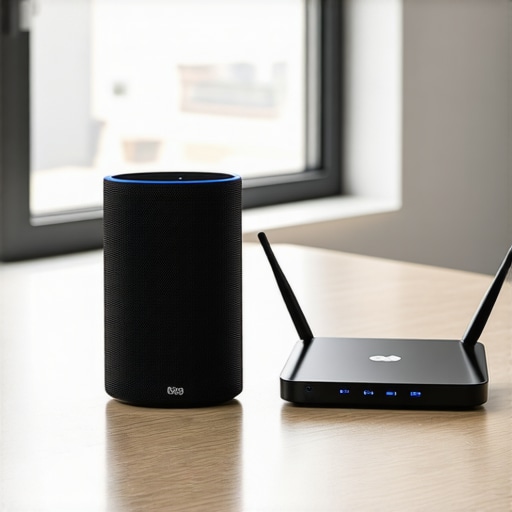
The hardware that actually saves your demos
I’ve seen countless founders fumble their big moment because they relied on the venue’s ‘standard’ equipment. I now insist on using a dedicated HDMI-to-USB bridge and my own wireless presentation remote. It sounds overkill until you’re the only one in the hub who isn’t panicking about a driver update during an investor call. We also shifted our strategy from fixed desks to a hybrid of flex passes to maintain our agility. This is the logic of choosing a flex office over a 5-year lease in action—it keeps your capital liquid and your team lean.
How do I keep our startup culture alive as we scale?
The biggest danger of moving into a professional hub is that you blend in too much. You can easily lose your ‘soul’ among fifty other companies. We combated this by hosting our own rituals. We used the checklist for a glitch-free product launch event to turn internal milestones into community moments within our shared space. It wasn’t just for us; it was to signal to the other startups in the building that we were winning.
Why the future of work looks like a satellite
Looking ahead, I predict a massive shift toward ‘micro-hubs.’ We’re already seeing why suburban flex spaces are the new downtown office for teams that want a physical anchor without the soul-crushing two-hour commute. The future isn’t about one giant headquarters; it’s about a network of professional nodes that meet the team where they are. My advice? Stop waiting for the perfect office to appear and start building your own portable toolkit today. Try this one thing: invest in a high-quality portable microphone and use it for your next pitch—the difference in clarity will make your company sound twice as established as your competitors.
The Counter-Intuitive Lessons That Saved My Sanity
Reflecting on our growth, I’ve realized that the ‘cool’ factor of a workspace is often a distraction from the actual utility. I wish someone had told me that how to spot a toxic coworking vibe in under five minutes is more valuable than any gym membership or free kombucha on tap. It’s about the people and the protocol. I’ve also learned that you shouldn’t be afraid to speak up; knowing how to manage noise complaints in a shared workspace is a survival skill for any founder trying to protect their team’s deep work. Lastly, remember that your environment is a mirror of your ambition—if you stay in your living room too long, your ideas might stay domestic too.
The Survival Kit I Never Leave Home Without
Building a portable office is about redundancy. I personally swear by three things: a high-quality external webcam for those high-stakes investor calls, a dedicated Slack channel just for ‘facility issues’ so my team feels heard, and a ruthless eye for growth potential. You need to know how to choose an office that supports your scaling speed so you aren’t moving every six months. I trust these tools because they remove the friction of ‘where’ we work, allowing us to focus entirely on ‘what’ we are building. Transitioning from the comfort of home can be scary, but the real cost of working from your dining table is far higher than any monthly membership fee.
Your Next Chapter Starts Outside the Garage
The transition from a scrappy startup to a professional powerhouse is marked by the decisions you make about your environment. Don’t let the fear of overhead keep you small. Finding the right environment and choosing the perfect conference room for your next big milestone can be the catalyst that turns a prototype into a product. Your team deserves a space that respects their talent and amplifies their effort. Go find that anchor, set your roots, and watch how much faster you move when the Wi-Fi actually works and the doors actually close. Have you ever had a specific ‘aha’ moment where you realized your current workspace was holding your team back? I’d love to hear your story in the comments below.