
I remember hauling three monitors and a crate of tangled cables into a trendy downtown loft because they offered a “Free Week of Hustle.” My team and I felt like the ultimate bootstrappers, scoring a premium office for zero dollars. But by Tuesday afternoon, I was sweating in a hallway, trying to shield my laptop from the glare of a neon sign while frantically searching for a Wi-Fi signal. My developers were scattered across three different floors because the “free” tier didn’t allow for reserved seating. We thought we were saving money, but the hidden friction of the space was costing us hours of focus and a whole lot of professional dignity. It was a classic rookie mistake that I don’t want you to repeat.
The Sneaky Fees That Eat Your Bootstrapping Budget
When you see a “Free Week” banner, your brain immediately calculates the savings, but I learned the hard way that the truth about free perks you never actually use is that they often distract you from the essentials you’ll be forced to pay for. In my case, the “free” trial only covered the basic Wi-Fi, which was slower than a dial-up connection from 1998. To actually get work done, I had to upgrade to a daily “pro” pass. By the end of the week, I had spent more on add-ons and overpriced coffee than a monthly membership would have cost elsewhere. I was so focused on escaping the hidden costs of running a startup from your garage that I didn’t realize a poorly managed office transition could be just as expensive. Today, I’m going to help you look past the free kombucha and see the real invoice before you move your team in.
Can a few free days really tell you if a space works?
Skepticism is your best friend when you’re hunting for a new home for your business. Most founders treat a trial like a test drive for the chairs, but you should be testing the friction of the daily operations. According to a study published by the Harvard Business Review, employees in coworking environments report higher levels of thriving than those in traditional offices, but this only holds true when the physical and social environment supports their specific tasks. A trial that blocks your access to quiet zones or charges $50 an hour for a booth doesn’t give you a real taste of that thriving. Early in my career, I didn’t know how to tell if a coworking membership is worth the price, so I just chased the lowest entry cost. I once booked a free day only to realize that why your pitch deck won’t save you from a noisy meeting space is a lesson best learned before an investor call, not during one. Have you ever felt like you were “paying” for a free trial with your own productivity? I’d love to hear if you’ve been burned by a space that looked great on Instagram but failed the reality test. To get a true feel for a place, I now recommend you how to use a day pass to test your next potential office without the pressure of a full move-in.
Stress-Test the Infrastructure Before You Commit
Moving into a space isn’t just about the desk; it’s about the digital plumbing. You wouldn’t move into a house without checking the water pressure, yet founders sign leases every day without knowing how to vet a space for high-speed fiber before you sign the contract. In my second startup, I assumed ‘Enterprise Wi-Fi’ meant reliability. It didn’t. We hit a deployment deadline, and the entire network choked under our upload, costing us an extra night of server fees. You need to quantify the hidden drag of slow office wi-fi on your burn rate by running speed tests during peak hours—usually 10:00 AM and 2:00 PM—not just when the tour guide is watching.
The Three-Minute Acoustic Walkthrough
Acoustics are the silent killer of professional credibility. I once attempted to close a $50k seed check while hiding behind a large monstera plant because the ‘private’ phone booths were essentially glass echo chambers. My investor literally asked if I was calling from a construction site because of the clatter of the communal kitchen. This is exactly why your pitch deck won’t save you from a noisy meeting space. To avoid this, bring a friend and test the sound bleed. If you can hear a conversation about lunch through the wall, you can’t discuss your cap table there. You must how to vet a meeting room for acoustic privacy before booking by checking for physical seals on doors and soft surfaces that dampen sound.
Pick the Membership Tier That Actually Scales
Don’t overbuy square footage you won’t use. Many hubs push ‘Private Suites’ for two-person teams, but you’re often better off with a dedicated desk and a healthy meeting room credit balance. It is critical to learn how to pick a membership tier that scales with your team without getting trapped in a rigid contract. Think of your membership like a cloud server: you want to pay for what you use, not the peak capacity you might reach in six months. When I scaled my dev team from two to six, we used the two-pizza rule for booking the right size meeting room to keep costs low while maintaining a professional face for client visits.
Invest in the Furniture Your Spine Requires
If you are planning an 80-hour work week, that aesthetic mid-century modern chair in the lobby is your enemy. I spent three months working from a trendy wooden stool and ended up spending my savings on a physical therapist. Always verify why ergonomic furniture is the best investment for your seed round. When you take the art of the perfect office tour for your latest new hires, don’t just show them the beer tap; show them the lumbar support. Your team’s output is directly proportional to their physical comfort, and a professional space should provide the exact chair you need for a 12-hour coding sprint rather than a seat that prioritizes Instagram likes over spinal health.
Stop Choosing Rooms Based on Square Footage
Most founders believe that the more conference rooms a space has, the better. But that’s a rookie metric. I’ve seen teams blow their entire monthly credit on ‘Executive Boardrooms’ only to realize they didn’t need a mahogany table; they needed a white-boarding surface and a stable digital connection. The real expert move is understanding the difference between a standard meeting room and a real war room. A war room is where the messy, high-velocity work happens—not just where people sit and stare at a slide deck. According to data from the Leesman Index, technical infrastructure is the single biggest factor in whether a meeting room actually facilitates productivity or just creates ‘friction’ that kills momentum. If you’re in the early stages, you don’t need a space to just have meetings; you need a space to build things, and those requirements are fundamentally different. 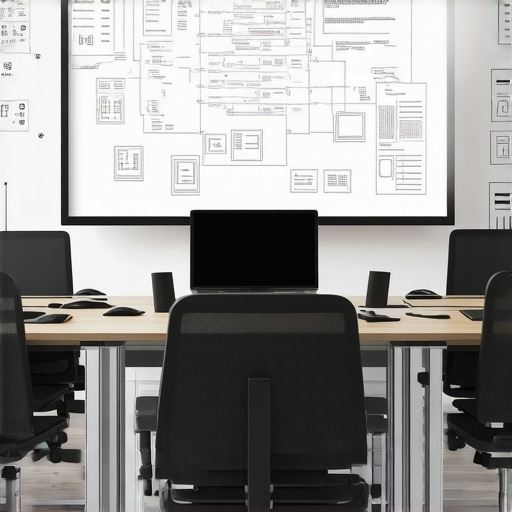
Can You Really Trust the ‘State-of-the-Art’ Label?
Many coworking spaces boast ‘high-tech’ facilities, but I’ve found that ‘state-of-the-art’ often just means ‘we have a television from 2018.’ You need to know how to find a conference room that actually has working adapters before your big presentation. I once spent the first fifteen minutes of a potential lead’s demo trying to find a USB-C to HDMI dongle because the space only provided old VGA cables. This is exactly why your conference room needs better technology and fewer cables. If you’re pitching, remember why your pitch deck looks better on a forty-inch screen than a laptop—but only if that screen actually turns on without a degree in electrical engineering. Have you ever fallen into the ‘broken dongle’ trap? Let me know in the comments.
The Privacy Illusion of Glass Walls
Modern office design loves glass, but it’s a double-edged sword. While it looks great on a tour, it can be a nightmare for sensitive work. Startup success secrets: choosing the perfect conference room involves more than just aesthetics. If you are discussing sensitive financials or a pivot, you need to know how to keep your startups trade secrets safe in a public lounge or a glass-walled room where anyone walking by can read your sticky notes. I’ve seen competitors literally photograph whiteboards through the glass of a ‘private’ office. It’s a massive ‘oops’ that can cost you your competitive edge. Another hidden trap is the room booking software itself. You might think a space is abundant with rooms, but if their internal app is a buggy mess, you’ll spend more time fighting for a slot than actually meeting. The truth about hot desking or open glass offices is that they often prioritize a ‘vibe’ over your actual security needs. Before you sign, check if the rooms have privacy film or if they are just fishbowls for your IP. Have you ever felt like your ‘private’ meeting was a bit too public? Let me know in the comments.
The Emergency Tech Kit Every Founder Needs
Once you have survived the initial move, the real challenge begins: staying operational. I’ve learned that depending on a coworking space to provide every single connector or cable is a recipe for a missed deadline. Even the best facilities have ‘adapter ghosts’ where the HDMI cable you used yesterday mysteriously vanishes. This is how to find a conference room that actually has working adapters—by bringing your own. I keep a dedicated ‘war bag’ that never leaves my side, containing a 100W USB-C hub, a long-range Bluetooth speakerphone for those echoey rooms, and a physical Ethernet adapter. I’ve seen too many founders stall because why a basic warranty won’t save your startup from a hardware disaster is a lesson they learned at 11:00 PM on a Sunday. According to the IEEE 802.3bt standard, modern high-power devices like interactive 4K whiteboards require specific PoE++ wattage that many older ‘modern’ spaces simply cannot deliver through their wall ports. If you don’t have your own power delivery solutions, you are at the mercy of the building’s infrastructure. 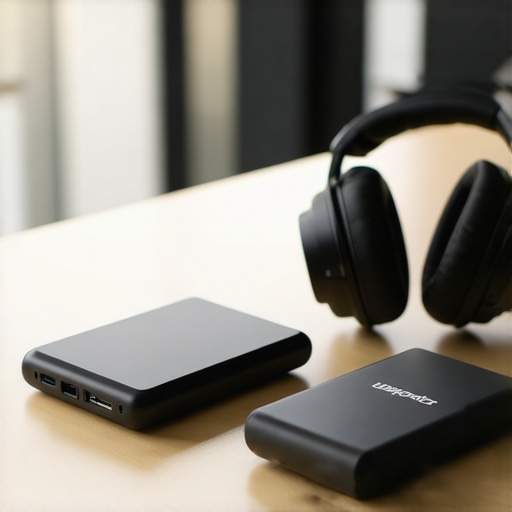
How do I maintain team momentum in a shared environment?
Keeping a team focused when there are networking mixers and free pizza three times a week is an art form. You have to be the curator of your team’s attention. I personally schedule ‘deep work’ blocks where we treat our dedicated desks like a library—no talking, no interruptions. It’s also vital to learn how to manage office politics in a space you don’t own. You aren’t just managing your employees; you’re managing the interactions they have with three other startups sharing your floor. We eventually reached a point where we needed more than just a cluster of desks, which is why we moved our dev team to a dedicated startup hub that prioritized quiet hours over social mixers. This shift allowed us to keep the flexibility of a membership while reclaiming our collective focus.
Future-Proof Your Growth Strategy Early
The biggest mistake you can make is getting too comfortable in a setup that doesn’t scale. I’ve seen startups grow from three people to twelve in a single quarter, and suddenly their ‘perfect’ office is a cramped hallway. You need to be looking at the future of conference rooms in startup ecosystems and asking your community manager about their expansion plans before you actually need the space. Understanding the role of flex space in a modern business scaling strategy means you should always have a ‘plan B’ for your physical footprint. I predict that the next five years will see a massive shift toward ‘distributed hubs’—smaller, highly specialized offices rather than one massive central headquarters. If you are still in the early stages, learning how to transition your team from a garage to a real office is just the first step in a much longer journey of physical evolution. My challenge to you: Go into your most-used meeting room today and run a packet loss test while your team is on a call. If it’s over 1%, it’s time to start looking at your next upgrade or demanding better infrastructure from your provider.
The Hard Truths I Learned in the Coworking Trenches
Looking back at my journey through a dozen different hubs, I realized that the aesthetics of a workspace matter far less than the operational flow. First, never underestimate the power of proximity to the router; I’ve seen teams lose entire afternoons to dead zones that the tour guide conveniently skipped. Second, I learned that why founders are choosing memberships over long-term leases is often about the ability to walk away if the culture turns sour. Third, remember that your environment dictates your team’s behavior. If you want a culture of high-intensity focus, you cannot place your developers next to a communal kitchen. I’ve found that how to create a collaborative culture within a shared office requires setting firm boundaries on where ‘social time’ ends and ‘deep work’ begins. Finally, always have a backup plan for your most important calls. If you haven’t mastered how to handle high-stakes board meetings in a shared building, you’re one double-booked room away from a disaster.
The Digital Toolkit That Saves My Sanity
To navigate these spaces successfully, I rely on a few specific tools and habits. I never walk into a new building without a network analyzer app to check for packet loss, ensuring the infrastructure can actually handle a video stream. For those critical investor sessions, I always cross-reference startup success secrets: choosing the perfect conference room to ensure I have the right lighting and acoustics. I also swear by a high-quality portable speakerphone; it’s the only way to bypass the ‘hollow’ sound of poorly designed glass rooms. These small technical investments allow me to transform even a standard meeting room into a professional command center. If you are still unsure about a specific location, I highly recommend checking out how to choose the perfect conference room for business success to see a list of non-negotiable tech features you should demand from any provider. #IMAGE_PLACE_HOLDER_E#
Your Startup Deserves a Real Home
Moving out of the basement or the local coffee shop is more than just a logistical upgrade; it is a psychological milestone. Transitioning into a professional coworking environment tells your team, your investors, and yourself that this startup is a real entity with a future. While the search for the perfect conference room or dedicated desk can feel overwhelming, remember that the goal is to find a space that removes friction from your day rather than adding to it. Don’t be afraid to demand more from your workspace provider—you aren’t just a tenant; you are a builder looking for a foundation. Take the leap, vet the space, and then get back to the work that actually matters. Have you ever had a workspace disaster that taught you a lesson you’ll never forget? Let me know in the comments below.