

I walked into my favorite local hub at 8:45 AM, steam rising from my oat milk latte, fully expecting to snag that corner spot with the view of the skyline. Instead, I found a sea of empty hoodies draped over chairs—the classic “reserved but not present” move that drives us all crazy. I spent that entire day in a windowless “phone booth” that felt more like a broom closet, and my productivity absolutely cratered. It was a visceral failure. I realized that finding the exact desk location that boosted my productivity by 40 percent wasn’t just about ego; it was about survival in the high-stakes startup world. Today, I’m going to show you the subtle social engineering and scheduling hacks I developed to make sure you’re always the one in the sun, rather than tucked away next to the noisy industrial printer.
Sunlight is the ultimate fuel for your startup grind
Natural light isn’t just a “nice-to-have” aesthetic for your Instagram stories. It’s a biological necessity for anyone trying to scale a business without losing their mind. According to research from Cornell University’s Department of Design and Environmental Analysis, employees sitting near windows reported an 84% decrease in eyestrain, headaches, and blurred vision symptoms. When you’re staring at code or a pitch deck for ten hours straight, that’s the difference between a breakthrough and a total burnout. I spent months feeling sluggish and uninspired before I realized that my environment was the primary culprit. If you want to avoid that midday slump, you need to master the membership trick for getting the best desk every morning.
Is a window seat actually worth the effort?
Many people think any desk will do as long as the Wi-Fi is fast, but that’s the same logic that leads to the real reason your team is suffering from zoom fatigue. If you’re tucked away in a dark corner, your circadian rhythm takes a hit, your mood sours, and you miss out on the high-energy vibe that makes shared spaces valuable in the first place. Have you ever felt like your best ideas only come when you’re looking at something other than a white drywall?
The expensive mistake I made early on
When I first moved into a flex space, I assumed “first come, first served” was a literal, polite rule. I tried arriving earlier and earlier, eventually hitting the lobby at 6:30 AM, only to realize I was exhausted by noon and still didn’t have the best spot because of established “regulars” who had their own system. I didn’t understand the invisible social hierarchy that exists in every hub. I was looking for a seat when I should have been looking for the lighting trick that makes your product demo look expensive or identifying 7 non-obvious signs a coworking space is too loud for deep work before I even sat down. The real trick isn’t about being the earliest; it’s about being the smartest with the space’s layout and knowing which corners the sun hits at specific hours. Have you ever fought the ‘hoodie brigade’ for a spot only to give up and work from home in frustration? Let me know, because I’ve been there, and the solution is simpler than you think. [image placeholder]
Stop guessing and start auditing your layout
To consistently find the best spot, you need to treat the floor plan like a map to buried treasure. Most people walk in and pick the first empty chair they see, but that is how you end up under a flickering fluorescent light or directly in the path of the bathroom door draft. Instead, perform the 10-minute audit to see if your office space is wasting money and energy by tracking three variables: light direction, outlet density, and foot traffic. I once spent an entire week sitting next to the industrial-sized espresso machine because I thought being near the caffeine was a ‘power move.’ I was wrong. Between the constant hiss of the steam wand and the line of people chatting, my deep-work window was obliterated. Now, I prioritize the ‘back-to-the-wall’ spots that provide a clear view of the room but stay out of the primary social crossfire. 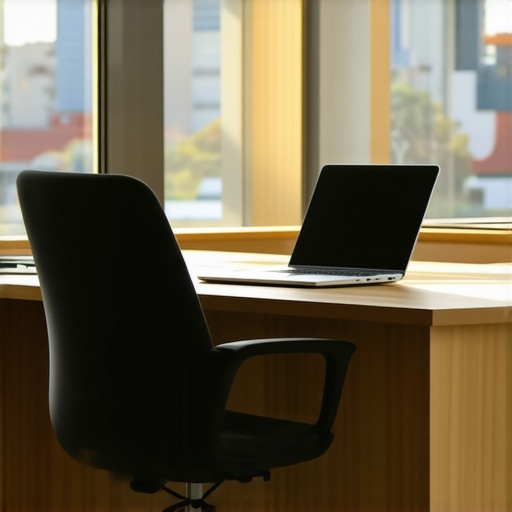
Why a dedicated desk saves more than just time
If you are still playing the lottery with hot-desking, you are likely losing more productivity than you realize. I used to think the flexibility of a daily pass was a badge of startup honor, but I eventually learned the truth about monthly versus daily memberships. When you have a fixed location, you eliminate the cognitive load of ‘searching’ every morning. You can leave your ergonomic mouse, your favorite notebook, and your external monitor in place. If you find yourself constantly fighting for the same window seat, it is time to calculate if the move to a dedicated desk is the extra cost worth it for your mental health. For me, that extra hundred dollars a month paid for itself in the first three days when I stopped spending my first 45 minutes of the day hunting for an outlet.
Beat the Friday rush for conference rooms
Everyone wants to huddle for their end-of-week wrap-ups at the same time, leading to a massive logjam at the reception desk. If you want to avoid the chaos, you need to learn how to book a meeting room on a friday afternoon without the stress. The secret is to look for the rooms that are technically ‘meeting rooms’ but are tucked away in the corners of the building—often ignored by the booking software’s front page. These ‘hidden’ spaces usually have better privacy and less noise bleed than the glass-walled fishbowls in the lobby.
Handle your calls without being ‘that guy’
We have all been there: someone is shouting their quarterly projections into a MacBook while everyone else is trying to focus. To keep your professional reputation intact, you must master the etiquette of taking private calls in a public coworking zone. If a phone booth isn’t available, find a ‘soft’ corner—an area with rugs or curtains—to dampen the sound. Using the acoustics hack for crystal clear client pitches, like a directional external mic, ensures that even if the space is lively, your client only hears your voice, not the sound of someone else’s lunch being microwaved. Use the physical architecture of the room to your advantage by positioning yourself so the sound travels toward sound-absorbing materials rather than bouncing off glass partitions.Most people assume the glass-walled fishbowl in the center of the lobby is the ‘power move’ for a meeting. It is not. In fact, it is a rookie mistake that can tank a high-stakes negotiation. I have seen founders pitching sensitive equity splits while half the community watches their hand gestures through the glass. Real pros look for the ‘war room’—those tucked-away spaces where you can actually speak freely without being a spectacle. You need to know the difference between a standard meeting room and a real war room before you sign that booking agreement. Here is the trap: thinking that high-end hardware outweighs room physics. You can have the best 4K camera in the world, but if the walls are parallel glass sheets, your audio will sound like a tin can in a tunnel. Research from the University of Exeter suggests that ’empowered’ workspaces—where users have control over their environmental privacy—can boost productivity by up to 32%. If you cannot control who is looking in, you are not in control of your meeting. I once lost a potential hire because they felt ‘on display’ during the interview. Always vet a meeting room for acoustic privacy before booking to avoid that exact scenario.
Why do you keep booking rooms that are way too big?
It is a subtle ego trip. We think a bigger room makes the startup look ‘bigger.’ In reality, it just creates a cold, sterile environment that kills the vibe. I follow the two-pizza rule for booking the right size meeting room. If the room feels empty, the energy dissipates. You want a space that feels busy and tight, not like a hospital waiting room. Check out the checklist for a boardroom that doesn’t feel like a hospital to ensure your environment supports the ‘hustle’ rather than draining it.  Another massive oversight is ignoring the tech-to-friction ratio. I have wasted twenty minutes of a thirty-minute investor call just trying to get a proprietary dongle to work. This is why your pitch deck won’t save you from a noisy meeting space or a technical failure. The ‘hidden’ nuance of elite coworking is knowing which rooms have reliable, universal plug-and-play setups versus those that require an IT degree to turn on the lights. Have you ever fallen into this trap of choosing style over substance? Let me know in the comments.I finally stopped relying on the house tech after one too many failed presentations. I now carry my own high-speed adapters. It sounds like overkill, but you should know how to find a conference room that actually has working adapters before you trust a stranger’s dongle. I’ve started carrying a ‘Coworking Go-Bag’ that would make a prepper jealous. Inside, I’ve got a backup portable monitor, a 10-foot braided HDMI cable, and a mechanical keyboard because I found the exact chair you need for a 12-hour coding sprint means nothing if your wrists are cramped on a laptop deck. I also never trust the house chargers; why our private office suites stock extra surface pro chargers for members taught me that even the best spaces have ‘borrowers’ who never return gear. My favorite tool, though, is a hardware VPN. According to the NIST Special Publication 800-46, securing remote endpoints is non-negotiable when you’re on public or shared infrastructure. You need to learn how to keep your startups trade secrets safe in a public lounge or risk losing your IP to a script kiddie sitting three tables away.
How do I maintain my flow state over several months?
It’s not about one-off wins; it’s about the habit of the audit. Every Sunday, I check the upcoming bookings for my preferred conference rooms. I look for innovative meeting rooms that boost startup creativity and lock them in before the Monday morning rush. If you’re scaling, you’ll eventually realize that the move that helped us scale from 3 to 15 people in six months was simply moving from a ‘luck-based’ desk strategy to a dedicated suite.
Future-proofing your workspace strategy
I truly believe the future of conference rooms in startup ecosystems will involve AI-driven ‘mood lighting’ and automated acoustic dampening that adjusts based on the number of people in the room. We are moving toward spaces that actually think for us and react to our stress levels. For now, stop leaving your success to chance. Grab a dedicated spot and bring your own hardware. Try performing your first ‘tech audit’ this Friday—inventory every cable and adapter you currently rely on the hub for, and buy your own. It is the cheapest insurance policy for your productivity. 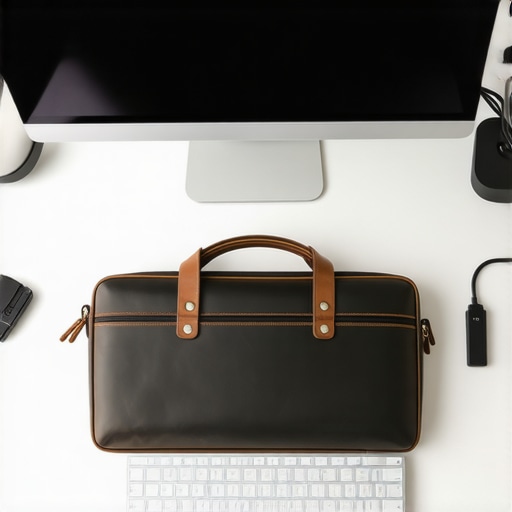
The Hardest Lesson I Learned While Scaling in a Shared Hub
After years of navigating various office layouts, I realized that social capital is just as important as your lease. Being the person who knows how to fix the communal printer or who shares the good coffee can often buy you more grace when you need to hog the window seat for an extra hour. I also learned that the seating arrangement that kills networking before it starts isn’t just about furniture; it is about the invisible walls we build with our body language when we are afraid of distraction. Most importantly, I realized that your workspace needs to evolve with your business. The ‘hot desk’ that worked when you were a solo founder will actively hinder you once you have three employees. Consistency in your environment breeds consistency in your output, and relying on luck to find a desk is a strategy for failure.
The Gear I Carry to Every High-Stakes Meeting
I never walk into a building without my ‘Productivity Go-Bag.’ To ensure I am never at the mercy of a building’s limitations, I carry a portable 15-inch monitor for a dual-screen setup anywhere. I also swear by a hardware VPN to keep our proprietary data safe on shared Wi-Fi. Understanding the role of flex space in a modern business scaling strategy-2 taught me that mobility is my greatest asset, so I always have a high-quality external microphone for crisp audio in any environment. I also recommend following the ‘Deep Work’ framework to protect your focus hours amidst the lobby buzz; it changed how I viewed my time in these high-energy hubs.
[image placeholder]
Your Workspace Should Work as Hard as You Do
Stop viewing your office as a passive background for your laptop. It is a high-performance tool that should be optimized, audited, and adjusted regularly. Whether you are learning how to maximize productivity in your startups conference rooms by 0245 pm or simply identifying the right corner for your morning coffee, every environmental choice impacts your bottom line. For me, ditching the basement: the psychology of a professional workspace was the single biggest catalyst for my team’s growth and mental health. When you respect your environment, your work reflects that level of professionalism. Take control of your surroundings today, stop settling for the ‘leftover’ seats, and watch your creative output transform. Have you ever lost a whole morning of focus because of a bad seating choice or a noisy neighbor? Let me know in the comments below!