

I remember the exact moment I realized my startup was about to implode, and it wasn’t because of a bad seed round or a buggy MVP. It was because my co-founder was humming a tuneless melody while I was trying to draft our first partnership agreement. We were huddled around my scratched dining table, surrounded by half-empty coffee mugs and the smell of laundry that had been sitting in the machine too long. Suddenly, the person I respected most in the world felt like an intruder in my own home. I was ready to snap, and I realized that why startups fail when they isolate in home offices isn’t just about lack of networking—it’s about the psychological friction of never being ‘off.’ We were losing our edge, and our friendship was becoming collateral damage to our ambitions.
The Kitchen Table Isn’t a Boardroom
If you’re currently dodging your co-founder’s gym bag while trying to discuss Q4 projections, you’re not alone. I spent months convinced that the only way to stay lean was to suffer through the domestic chaos. I made the classic mistake of thinking that ‘professionalism’ was a mindset you could maintain while staring at a pile of unwashed dishes. Spoiler alert: it’s not. My productivity tanked, and our relationship soured because we lacked a physical boundary between our personal lives and our professional goals. Ditching the basement and the kitchen table wasn’t just a luxury; it was a survival tactic for our business. Today, I want to show you how to identify the signs of co-founder burnout and why moving your operations to a neutral ground is the cheapest therapy your startup will ever get.
Is getting out of the house actually worth the extra cost?
You might be worried about the burn rate, but consider this: according to a study by the Harvard Business Review, nearly 65% of high-potential startups fail due to co-founder conflict. When you’re struggling to stop your team from burning out, the environment is often the silent killer. Have you ever felt like you’re one loud phone call away from quitting your own company? I certainly have. My lightbulb moment came when I realized that moving from a garage to a flex office saved us more in efficiency and emotional energy than it ever cost in monthly membership fees. We’re going to dive into how to reclaim your personal space while actually getting work done in a way that respects your business and your sanity.
The first thing you need to do is stop guessing. Perform a 10-minute audit to see exactly where your current setup is failing. When I did this, I realized we weren’t just losing time to distractions; we were losing money because our ‘free’ home office was killing our speed. Once you decide to move, apply the two-pizza rule when booking space. If the room is too big, you lose the intimacy needed for a ‘war room’ vibe; if it’s too small, you’re literally breathing down each other’s necks.
Stop Bleeding Money on Empty Desks
Don’t jump into a five-year lease immediately. I’ve seen too many founders kill their burn rate because they wanted their logo on a lobby wall. Instead, learn how to get a private office for half the price by leveraging flex terms. This gives you the professional shield you need without the soul-crushing debt. I remember when we first scaled; we used the move that helped us scale from 3 to 15 people in months just by staying agile. We didn’t buy desks; we bought the ability to grow or shrink on a whim.
Choose a Room That Doesn’t Kill the Mood
Visuals matter, but sound is the silent deal-breaker. Before you host a high-stakes pitch, you must vet a meeting room for acoustic privacy. There is nothing more embarrassing than having a serious discussion about equity while the person in the next room is loudly debating their lunch order. I once tried to close a seed round in a beautiful glass box that turned out to be an echo chamber. I had to use an acoustics hack involving strategically placed coats just to make my voice audible on the mic. It was messy, unprofessional, and entirely avoidable.

Check for Working Tech Before the Guest Arrives
Nothing says ‘unprepared’ like fumbling with a dongle for ten minutes. Always find a conference room that actually has working adapters and test them an hour early. I once lost a 20-minute window with a Tier-1 VC because the HDMI cable was frayed. Now, I follow a strict checklist for moving into a real office that includes a tech-stress test. Also, look for the lighting trick—natural light from the side makes your prototype look like a million bucks, while overhead fluorescents make it look like a high school science project.
Turn the Shared Kitchen Into Your Secret Weapon
Professionalism isn’t just about closed doors; it’s about who you bump into when you’re grabbing a refill. I used to think communal areas were a distraction until I realized why shared kitchens are the best place to find your next CTO. You get to see how people solve problems in real-time. My first lead dev wasn’t found on LinkedIn; he was the guy who fixed the jammed espresso machine when everyone else just walked away. Beyond hiring, small talk at the printer is where the actual market intelligence lives. You’ll hear which VCs are ghosting people and which software stacks are actually failing, all before you’ve even finished your morning brew.
Most people assume that a conference room is just four walls and a table. They think if they have a fast Wi-Fi connection and a few chairs, they’re set. But there’s a massive psychological nuance that almost every early-stage founder misses: the ‘Cathedral Effect.’ A study by Joan Meyers-Levy at the University of Minnesota found that higher ceilings actually encourage more abstract, creative thinking, while lower ceilings are better for detail-oriented tasks. If you’re trying to brainstorm your next pivot, a cramped box will literally stifle your brain. That’s why your team is more creative in a room with high ceilings. Conversely, if you’re doing a line-by-line code review, go for the smaller, more enclosed space to sharpen focus. It’s about matching the volume of the room to the volume of the idea. Have you ever fallen into this trap? Let me know in the comments.
Can a physical environment actually fix a broken product-market fit?
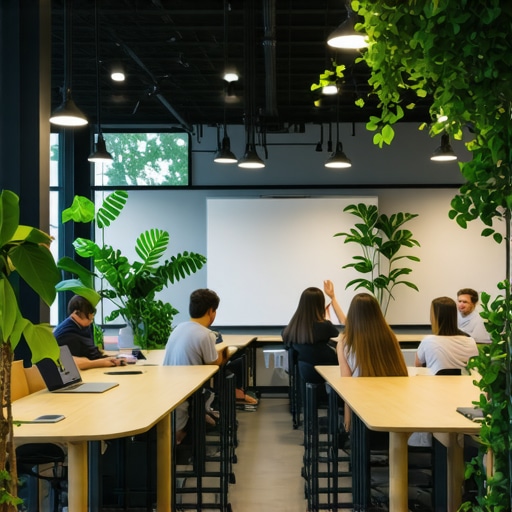
While no room can save a bad product, the wrong environment can certainly kill a good one by slowing down the feedback loops. When I talk about startup success secrets for choosing the perfect conference room, I’m talking about friction. If your team has to jump through hoops just to find a whiteboarding surface, they’ll stop whiteboarding. You need innovative meeting rooms that boost startup creativity by design, not by accident. I’ve seen teams realize their entire UI was flawed simply because they finally had the wall space to map out the entire user journey at once, something they couldn’t do on a 13-inch laptop in a coffee shop.
The Privacy Trap You Didn’t See Coming
Here is the hard truth: your ‘private’ suite isn’t a vault. One of the biggest mistakes I see is founders treating a glass-walled office like a secure bunker. If you are handling sensitive user data or discussing a pending acquisition, you must understand how to protect your intellectual property when moving to shared offices. I once saw a founder leave their pitch deck on a shared screen in a conference room after their booking ended. The next team walked in and had a full view of their projected revenue for the next three years. Beyond digital hygiene, you need to learn how to keep your startups trade secrets safe in a public lounge. It’s not just about whispering; it’s about being aware of the sightlines to your screen. To truly win, you have to learn how to maximize productivity in your startups conference rooms without sacrificing the security of your most valuable assets.
Once you’ve locked down your privacy, the challenge shifts from security to pure efficiency. I found that as we scaled, our tech stack became a mess of mismatched cables and software glitches that drained our momentum. For instance, our dev team was constantly toggling between different operating systems until we realized how Parallels Desktop saved our dev team from the two-laptop shuffle. It sounds like a minor detail, but when you are in the middle of a sprint, eliminating that friction is everything. It’s not just about the software, though; you have to know when to jump from a hot desk to a private suite before your growth starts bothering everyone around you. When we hit five people, we were fine, but at ten, we were officially the loud neighbors. Realizing that scaling from 2 to 20 requires a total rethink of your physical footprint is the moment you stop playing ‘startup’ and start running a company.
According to the ISO 3382-3 standard, which specifies how to measure acoustic performance in open-plan offices, the ‘distraction distance’—the point where speech is no longer intelligible—is the single most important metric for deep work. If your workspace doesn’t allow for this distance, you are literally paying for your team to be interrupted by the marketing department’s banter. This is why flex space is the ultimate hedge against market volatility; you aren’t just renting desks, you’re renting the ability to control your environment’s acoustic density as your headcount fluctuates.

How do I maintain team culture during a massive scale-up?
Consistency is the antidote to the chaos of scaling. We kept our edge by following the move that helped us scale from a garage to 20 desks: we turned our office into a series of functional zones. We didn’t just meet; we used innovative meeting rooms that boost startup creativity for brainstorming and reserved the quiet zones for execution. We even developed a system for how to survive a 4-hour board meeting without losing focus by alternating between standing breakout sessions and seated data reviews. By transforming meeting rooms into collaboration hubs, we ensured that the space dictated the team’s energy, not the other way around.
Why Fixed Desks are Finally Dying in the 2026 Shift
I predict that by 2026, the concept of a ‘permanent’ office will be as outdated as the fax machine. We are moving toward a ‘Liquid Workspace’ model where the future of conference rooms in startup ecosystems is based on on-demand, specialized environments rather than assigned seating. If you want to survive this shift, you need to stop thinking about your office as a destination and start thinking of it as a dynamic tool. Before you sign any long-term agreement, always vet a meeting room for acoustic privacy before booking. My advanced tip for you this week: for your next high-stakes project, book a room that is twice the size of what you think you need, apply the two-pizza rule for attendance, and see how the extra physical space clears the mental clutter.
What I Learned While Losing My Sanity at the Kitchen Table
One of the most profound shifts happened when I realized that the environment doesn’t just host your work; it shapes it. First, never underestimate the ‘Psychological Commute.’ Even if it’s just a ten-minute walk to a local hub, that physical movement tells your brain it’s time to perform. Second, I learned that why quiet zones are the most important part of any workspace isn’t just about silence—it’s about the permission to focus without guilt. Lastly, your nose knows more than you think. You should always learn how to pick a meeting room that doesn’t smell like old carpet because stale air leads to stale ideas. If the air is heavy, your pitch will be too.
The Lean Startup Toolkit for Growing Pains
If you’re ready to stop playing house and start playing for keeps, these are the tools I rely on. Start by running the 10-minute audit to see if your office space is wasting money; it’s the quickest way to find the ‘leaks’ in your productivity. For the technical side, I can’t recommend enough how Parallels Desktop saved our dev team from unnecessary friction. Finally, bookmark these startup success secrets for choosing the perfect conference room to ensure every high-stakes meeting feels like a win before you even open your laptop.
Build Your Legacy Outside Your Bedroom
Stepping out of your comfort zone—literally—is often the first real test of a founder. It’s scary to add an expense when you’re used to the ‘free’ home office, but the cost of staying stagnant is far higher. When you prioritize a professional environment, you aren’t just buying a desk; you’re investing in the mental clarity required for business success. You’ve built something worth protecting and worth growing. Now, give it the space it deserves to breathe and thrive. Your future self will thank you for the boundaries you set today. Have you ever felt like your home office was actually holding your startup back from the next level? Let me know below.