

I’ll never forget the Tuesday afternoon I spent staring at a blank Google Doc for three hours, only to realize I’d been distracted by the sound of my neighbor’s lawnmower for forty of those minutes. My ‘office’ was a corner of the bedroom, my ‘coworkers’ were characters in a Slack channel, and my creative spark was effectively extinguished. It was a classic case of what I call the remote-work wall. We were told that the future was 100% digital, but after eighteen months of isolation, my team wasn’t just tired—we were stagnant. That’s when the lightbulb went off: we didn’t need the soul-crushing 9-to-5 commute of the past, but we desperately needed a place to actually *be* a team again. Today, I’m breaking down the raw truth about the move from remote-only back to the office, showing you how to reclaim your productivity without repeating my expensive mistakes. Have you ever felt that nagging sense that your team is drifting apart despite the endless Slack notifications?
The Day I Realized My Couch Was Killing My Company
It wasn’t just the isolation that got to me; it was the lack of friction. In a digital world, everything is scheduled. You don’t ‘bump into’ an idea at the coffee machine when you’re working from your kitchen. The real reason your team is suffering from Zoom fatigue isn’t just the screen time; it’s the cognitive load of trying to read body language through a grainy 720p lens. I made the mistake of thinking we could replicate our culture through emojis and ‘virtual happy hours.’ I was wrong. [IMAGE_PLACEHOLDER] We learned the hard way that why physical collaboration still beats video calls for startups comes down to the speed of iteration. When we were remote, a simple design tweak took three emails and a scheduled meeting. Now? It’s a thirty-second walk to a whiteboard. According to a study published in Nature by researchers at MIT, remote work can significantly decrease the ‘weak ties’ and bridge-building between different functional groups, leading to a more siloed organization. That’s a death sentence for a growing business.
Is the physical office just an expensive relic of the past?
You might be thinking, ‘Why would I pay for square footage when I have a perfectly good internet connection at home?’ It’s a fair question. I used to think the same thing until I looked at the data on why startups fail when they isolate in home offices. It’s not just about the desk; it’s about the professional mindset. When we started ditching the basement, our collective focus skyrocketed. My biggest early mistake? I once spent three months trying to run high-stakes investor pitches from a kitchen table. I thought I was being ‘scrappy.’ In reality, the noise of a background blender made us look like amateurs. I learned the hard way that why your home office is a liability often comes down to the things you can’t control.
Avoiding the Five-Year Lease Trap
One of the biggest mistakes I made early on was thinking that ‘going back to the office’ meant signing my life away on a long-term commercial lease. I almost sank our seed round by committing to a space that was too big and too rigid for our needs. Thankfully, we discovered that why founders are choosing memberships over long-term leases is because the modern office isn’t a building—it’s a service. Let’s talk about how to find that sweet spot between total isolation and corporate drudgery.
Stop guessing and start auditing your team’s friction
To make this transition work, you have to stop treating ‘office time’ as a binary choice. It’s not about being ‘in’ or ‘out’; it’s about identifying the specific moments where your digital workflow is lagging. I started by tracking our ‘time-to-decision’ on Slack. We found that complex architectural choices were taking forty-eight hours of back-and-forth messaging. When we moved those discussions to a physical whiteboard, that time dropped to twenty minutes. This is why why satellite offices are the new headquarters for tech teams; they provide a high-bandwidth environment for the hard stuff. Start by scheduling ‘Sprint Days’ where the only goal is to solve the problems that are currently stuck in a thread. If you are still working out of a spare bedroom, you need to understand the hidden costs of running a startup from your garage, which often manifest as lost momentum and miscommunication.
Check the Wi-Fi before you check the vibe
I once signed a month-to-month agreement because the lobby had a great espresso machine, only to find out the upload speed was slower than a 2004 DSL connection during peak hours. Don’t make that mistake. You must how to vet a space for high-speed fiber before you sign the contract. Bring a laptop, run a speed test at 10:00 AM on a Tuesday, and check the signal strength in the back corners. A beautiful office is just a very expensive museum if you can’t push code. 
Scale your space like you scale your server capacity
The biggest trap is over-committing. Your team of four might be a team of twelve in six months. This is where you need to learn how to pick a membership tier that scales with your team. Think of your office space as AWS—you want to pay for what you use, but have the ability to spin up more ‘instances’ (or desks) the moment you hire. I remember a specific month where we added three developers and didn’t have to move buildings; we just upgraded our membership. This flexibility is the ultimate hedge against market volatility. If you’re still early-stage, scaling from 2 to 20 requires a space that can grow without forcing you to renegotiate a legal contract every time you hire a new intern.
The acoustics test that saves your reputation
Professionalism has a specific sound: silence. I’ll never forget the time I was halfway through a seed-round pitch when a nearby blender started roaring in the communal kitchen. It was mortifying. Now, I never book a space without performing the acoustics test every conference room should pass. Walk into the room, close the door, and have a colleague shout in the hallway. If you can hear their conversation, so can your investors. Understanding why your pitch deck looks better on a forty-inch screen than a laptop is pointless if the audio environment makes you sound like you’re calling from a crowded bus station. Prioritize spaces that offer dedicated, soundproofed zones for high-stakes meetings.Let’s dig deeper into the actual mechanics of these spaces. Most founders operate under the myth that the ‘best’ conference room is the one with the most expensive furniture or the sleekest glass walls. In reality, I’ve found that high-gloss aesthetic is often a mask for poor functionality. I once watched a $500k bridge round nearly dissolve because the glass-walled ‘executive suite’ we booked had zero visual privacy. Passersby were literally stopping to peek at our pitch deck on the big screen. It wasn’t just distracting; it felt amateur. This is exactly why your pitch deck won’t save you from a noisy meeting space or a lack of basic operational privacy. We often forget that the difference between a standard meeting room and a real war room is the ability to lock the world out and focus entirely on the mission at hand.
Do glass walls help or hinder your team’s focus?
While the ‘fishbowl’ look is great for Instagram, it’s a productivity killer for deep work. A study published in the Journal of Environmental Psychology suggests that visual distractions—like seeing people walk past your meeting—can significantly increase cognitive load and decrease task performance. If you are serious about results, you need to look for spaces that offer frosted glass or strategic placement away from high-traffic zones. I learned this the hard way after failing a major product demo because my engineers kept looking at the coffee delivery guy instead of the code. Now, I always check how to vet a meeting room for acoustic privacy before booking to ensure we aren’t just seen, but also not heard by the wrong ears. 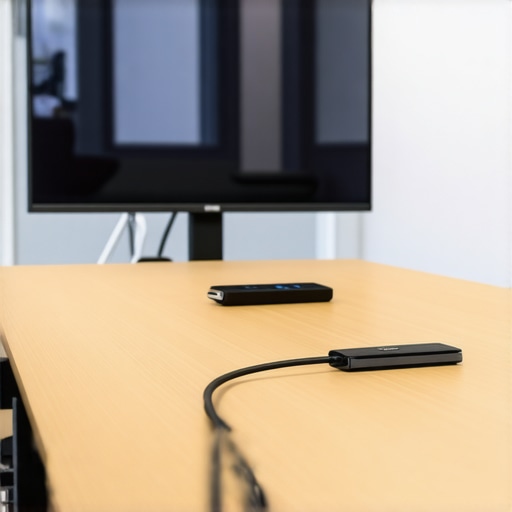
The expensive tech trap that stalls your momentum
We’ve all been there: you walk into a room and find three different remotes, two dongles, and a tablet on the wall that requires a PhD to operate. Stop chasing the tech dragon. The best meeting rooms are the ones where you can plug in an HDMI cable and be live in three seconds. I’ve wasted more money on ‘smart’ rooms that didn’t work than I care to admit. This is a core part of startup success secrets choosing the perfect conference room; simplicity always wins over sophistication. If you can’t get your screen shared in under a minute, you’re losing the room’s energy. Beyond just the tech, you have to master the logistics of the ‘Friday rush.’ If you don’t know how to book a meeting room on a Friday afternoon without the stress, you’ll find yourself pitching from a beanbag chair in the lobby. Have you ever fallen into this trap of choosing style over substance? Let me know in the comments.Beyond the physical walls, I’ve found that the real ‘maintenance’ of a high-performance team happens in the invisible layers—the tools and protocols you use to bridge the gap between being ‘at work’ and ‘working well.’ For me, this meant moving away from the ‘hope and pray’ method of office management. I personally swear by a tech stack that minimizes friction before it starts. We implemented a dedicated room-booking system because nothing kills a creative vibe faster than two teams awkward-staring at each other through a glass door at 2:00 PM. I chose a platform that integrates directly with our Slack, so booking a ‘war room’ is as easy as sending a DM. This is a massive part of how to maximize productivity in your startups conference rooms. If you aren’t automating the logistics, you’re just paying your highest-salaried employees to be part-time office coordinators.
The software stack that actually keeps my head above water
I’ve also become obsessed with portable hardware. I never rely on the built-in microphone of a laptop for hybrid meetings anymore. I carry a Jabra Speak 750 in my bag at all times; it’s a puck-sized speakerphone that turns any four-person meeting table into a professional audio studio. Why? Because poor audio is the leading cause of ‘Zoom fatigue’ for the remote half of your team. This focus on the small details is why your conference room needs better technology and fewer cables. It’s about reducing the cognitive load required to just exist in a professional space. I’ve found that the exact chair you need for a 12-hour coding sprint matters less than the ability to move seamlessly from a standing desk to a quiet pod when the afternoon slump hits. [IMAGE_PLACEHOLDER_D]
How do I keep this office setup working as we grow?
The biggest challenge isn’t the first ten hires; it’s the transition to thirty. Maintaining a workspace over time requires a ‘ruthless audit’ every quarter. I sit down and look at our usage data. If we aren’t using the big conference room on Tuesdays, we scale back our booking. This is where the role of flex space in a modern business scaling strategy becomes your greatest asset. You shouldn’t be married to your floor plan. According to the Leesman Index, which benchmarks workplace experience globally, employees who have high levels of ‘individual desk autonomy’ combined with ‘variety in work settings’ report a 20% higher productivity rate than those in rigid office environments. I’ve seen this play out in real time; our best ideas never happen at the same desk we use for emails. You have to understand the logistics of scaling a hybrid team without a corporate HQ to avoid the overhead traps that sink most Series A startups.
What the future looks like for our desks and screens
I predict that by 2026, the concept of a ‘permanent’ headquarters will be obsolete for any company under 100 people. We are moving toward a ‘Living Office’ model where AI-driven sensors will suggest when your team should meet in person based on the complexity of the tasks in your project management software. We’re already seeing that the future of the office is closer to home than you think, manifesting as high-end neighborhood hubs rather than downtown skyscrapers. My advice? Don’t build for the team you have today; build for the mobility you’ll need tomorrow. Here is my advanced tip for you: Spend tomorrow morning tracking every time you feel ‘interrupted’ by a physical or digital noise. If it happens more than five times before noon, your current workspace is costing you money. Go book a day pass at a high-end local hub and run the same test. The difference will shock you.
Lessons I learned from 500 hours in shared workspaces
After cycling through a dozen different setups, I realized that the best networking does not happen at organized mixers; it happens while you are waiting for the microwave. You should definitely see why communal kitchens are the best place to find your next CTO because those organic sparks are the heartbeat of a growing company. Another hard truth? Do not commit to a space based on a brochure. I always suggest you learn how to use a day pass to test your next potential office before you even think about a deposit. It is the only way to feel the actual ‘vibe’ and noise levels when the afternoon rush hits. And remember, transparency is great for culture, but discovering how to keep your startups trade secrets safe in a public lounge is a skill you need to master early if you are working on something truly disruptive.
[IMAGE_PLACEHOLDER]
The resources that saved my team from burnout
When we were struggling to manage our growth, I leaned heavily on two things: data-driven workplace indices and flexible membership structures. I highly recommend looking into how to pick a membership that scales with your teams size so you never pay for empty desks. For the high-stakes days, I kept a checklist of startup success secrets choosing the perfect conference room to ensure our environment always matched our ambition. These tools turned our workspace from an overhead cost into a strategic engine.
Your next chapter begins away from the bedroom desk
Moving out of the comfort zone of your home is the first real sign that your business is evolving. It is a terrifying and exhilarating leap, but you do not have to do it all at once. If you are ready, here is exactly how to transition your team from a garage to a real office without losing the scrappy soul that made you successful in the first place. Your team deserves a dedicated startup conference room where the big decisions happen in person. Have you ever found a hidden gem of a workspace in an unexpected neighborhood that changed your productivity? Let me know in the comments below!