

I’ll never forget the Tuesday morning I lost a three-thousand-dollar contract because I couldn’t find a place to sit. I paced around the ‘collaborative lounge’ of a trendy startup hub, balancing my laptop like a tray of hors d’oeuvres, only to find every single outlet claimed by someone who looked like they’d been there since dawn. I ended up taking the call in a stairwell. It was echoing, unprofessional, and ultimately, a disaster. [IMAGE_PLACEHOLDER]
Why the Nomad Life is Hurting Your Bottom Line
We’ve been sold this dream that ‘anywhere can be an office.’ But let’s be real: when you’re constantly hunting for a spot, you’re not working; you’re commuting inside your own building. I used to think I was being ‘agile’ by bouncing between sofas and high-top tables. In reality, I was just making it impossible for my brain to enter a flow state. I made the classic mistake of choosing aesthetic over ergonomics, and my spine (and my output) paid the price. It’s exactly why many founders eventually realize the move to a dedicated desk is actually an investment in focus rather than just a luxury. If you are struggling to stay on track, I highly recommend checking out the founder’s guide to not getting distracted before you give up on shared spaces entirely.
Does the ‘First Come First Served’ Model Actually Work?
You might be skeptical. You might think, ‘I just need a laptop and some caffeine.’ I thought that too, until I realized that why your pitch failed often has more to do with the background noise of a communal kitchen than your actual deck. Surprisingly, research from Harvard researchers Bernstein and Turban found that when firms shifted to open, ‘boundaryless’ offices, face-to-face interaction actually dropped by about 70%. People don’t collaborate more; they just put on bigger noise-canceling headphones. Today, I want to help you peel back the marketing fluff. We’re going to look at when hot-desking works, when it’s a trap, and how to tell if you need to finally move your startup into its first real office. Have you ever spent more time looking for a chair than actually writing code or closing deals? You’re definitely not alone.
Transitioning from a nomad to a resident requires more than just a credit card swipe; it’s about auditing your actual workflow. I remember my first high-stakes investor update. I’d booked a generic table, thinking my pitch deck was strong enough to overcome any environment. Halfway through, a group started a loud birthday celebration three feet away. My pitch deck was great, but why your pitch deck looks better on a forty-inch screen than a laptop doesn’t matter if your investors are squinting over your shoulder in a party zone. I felt like a kid at the grown-ups’ table. Since then, I’ve developed a protocol for vetting any professional space.
Transitioning from a Nomad to a Resident
The first step is moving from ‘survival mode’ to ‘operational excellence.’ Think of your workspace like a professional kitchen. A chef doesn’t wander around looking for a burner every morning; they have a station. To get there, you need to pick a membership tier that scales with your team rather than just chasing the lowest monthly fee. Start by tracking your ‘friction points’—the times you had to stop working to fix a connection or find a quiet corner. If you are constantly looking for a place to take a Zoom, you aren’t saving money; you’re burning daylight. This transition is less about furniture and more about reliable access. You want a home base where you can leave your monitor and chair without a second thought, realizing why ergonomic furniture is the best investment for your seed round once your lower back stops aching at 3 PM.

Check the Tech Before You Check the Vibe
Aesthetics are a trap. I’ve seen beautiful offices with internet speeds that would make a 90s dial-up modem blush. Before you sign anything, you must vet a space for high-speed fiber before you sign the contract. Bring your own device and run a speed test in the actual room you’ll be using, not just the lobby. It’s the difference between a smooth demo and a ‘can everyone see my screen?’ nightmare. While you’re at it, look at the hardware reliability. You need to know why your meeting room needs to be more than just a table. If you have to bring your own dongles, adapters, and a prayer to get the TV working, it’s not a professional setup. Furthermore, understand that infrastructure fails; having a space that understands why a basic warranty wont save your startup from a hardware disaster means they likely have redundant systems or on-site support to keep you online during a crisis.
The Logistics of Professional Meetings
When it’s time to move a conversation from Slack to the real world, the ‘two-pizza rule’ isn’t just for team sizes; it applies to your booking habits too. The two-pizza rule for booking the right size meeting room ensures you aren’t paying for a 20-person boardroom for a 3-person strategy session. I once made the mistake of booking a cavernous hall for a sensitive 1-on-1. The echo was so bad we sounded like we were in a cathedral, which is exactly why the acoustics test every conference room should pass is a non-negotiable step in my vetting process now. If you can hear the person in the next room sneezing, they can hear your trade secrets. For high-stakes moments, you need to master how to handle high-stakes board meetings in a shared building, which often involves coordinating with the front desk to ensure your guests aren’t wandering the halls lost before your big presentation.
Protecting Your Privacy in the Public Eye
You have to treat your data like gold. In a shared environment, visual privacy is as important as digital security. I learned this the hard way when I realized a competitor’s intern was sitting directly behind me while I was reviewing our Q4 roadmap. Now, I always keep your startups trade secrets safe in a public lounge by using privacy screens and choosing corner desks. If you’re handling sensitive calls, finding a quiet meeting room on short notice becomes a survival skill. Don’t assume the ‘phone booths’ will be empty when you need them. Plan your high-stakes interactions with a ‘buffer zone’ of booked time to avoid the awkward stairwell retreat. You might even consider why we stopped using coffee shops for sensitive client calls—the lack of a physical door is a liability you can’t afford once you have real skin in the game.
It’s easy to get seduced by the aesthetics of a glass-walled ‘creative hub’ with bean bags and neon signs. However, the biggest mistake I see founders make is confusing a ‘cool vibe’ with a functional environment. In fact, research from the University of Exeter suggests that ‘enriched’ environments—those where you have control over the layout—can boost productivity by 32%, but over-designed spaces that you can’t modify often have the opposite effect. This is why I eventually learned the difference between a standard meeting room and a real war room. A war room isn’t about looking good for Instagram; it’s about whiteboards, wall space for Post-its, and the ability to leave a mess until the problem is solved. If you can’t pin your roadmap to the wall, it’s just a dining room with a higher hourly rate. One major ‘trap’ is the prestige of the oversized boardroom. I’ve seen three-person teams rent out twelve-seat mahogany tables to ‘look professional.’ It’s a waste of capital and kills the intimacy needed for real decision-making. You should always stick to the two-pizza rule for booking the right size meeting room. Large rooms create a psychological distance that invites distractions. You’ll find yourself checking your phone under the table simply because you feel physically removed from the speaker.
Is Your Integrated Tech Actually a Bottleneck?
Everyone thinks integrated AV is a blessing, but in many coworking spaces, it’s a single point of failure. I once sat through a twenty-minute delay because the proprietary ‘one-touch’ system wouldn’t recognize a Mac. This is why your conference room needs better technology and fewer cables—the most advanced setups are often the most fragile. If you’re serious about output, you need to know how to maximize productivity in your startups conference rooms by having a ‘Plan B’ (like a simple HDMI cable) always at hand. 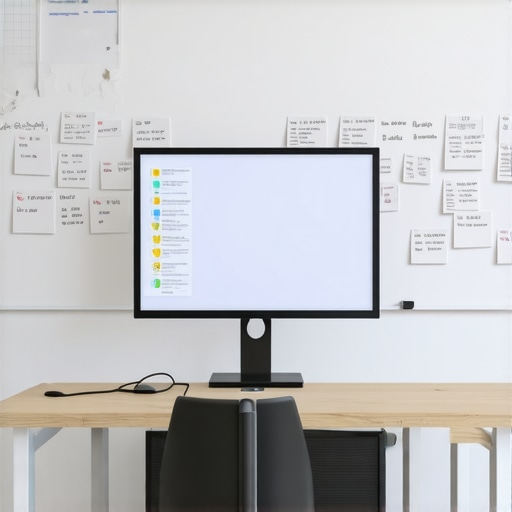 Before you book, you must vet a meeting room for acoustic privacy before booking; if the ‘tech’ includes a glass wall that lets everyone in the lobby watch your screen, the high-speed fiber won’t save your privacy. Have you ever fallen into the ‘cool space’ trap only to find it totally dysfunctional? Let me know in the comments.
Scaling isn’t just about hiring more people; it’s about managing the complexity of their output without letting your overhead explode. I’ve found that the secret to long-term success isn’t a ten-year lease, but rather mastering the logistics of scaling a hybrid team without a corporate hq. When we grew from three to twelve, we didn’t buy a building; we doubled down on high-impact physical touchpoints. We realized that why your brand needs a physical touchpoint even in a digital world often comes down to trust. An investor or a high-tier hire wants to see a professional environment, and how to get a premium business address without the five-figure lease was the most cost-effective move we ever made. It gave us the credibility of a downtown headquarters while we were still technically operating out of a series of flex-spaces.
Scale Your Team Without Buying a Building
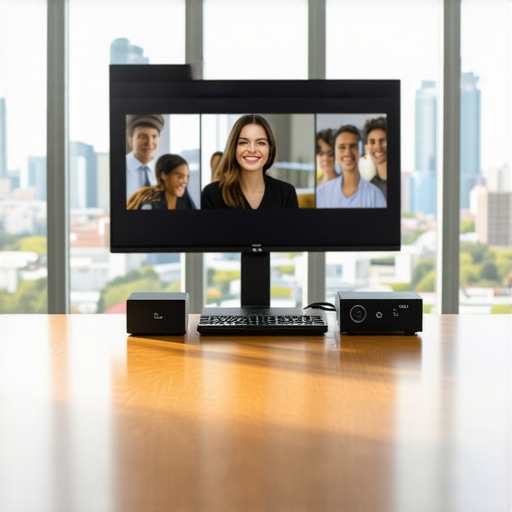
If you’re moving beyond the initial hustle, you need to think about the logistics of moving your startup to a professional space. I personally use a ‘hub and spoke’ model. We have a central membership for deep work, and then how to host a vip demo without a corporate headquarters becomes easy by booking high-end conference rooms on-demand. This keeps our burn rate low. I also recommend being incredibly picky about the hardware. Cisco’s Hybrid Work Index highlights that 98% of meetings now include at least one remote participant, which means your room’s audio isn’t just a ‘feature’—it’s the foundation of meeting equity. If your remote team can’t hear the jokes or the side-comments, they’ll eventually check out. I always carry a dedicated USB-C speakerphone in my bag because I refuse to rely on the hollow, ‘tin-can’ sound of a standard laptop mic during a board call.
How do I maintain my professional edge while scaling?
The danger of the ‘anywhere’ office is the slow erosion of standards. To maintain your edge, you have to audit your environment constantly. Don’t just settle for the closest desk. I suggest you use a day pass to test your next potential office every six months, even if you’re happy where you are. Markets shift, and the future of the office is closer to home than you think, with hyper-local hubs replacing massive centralized skyscrapers. By staying mobile but professional, you protect your culture from the stagnation of a traditional office. My biggest tip? Before your next high-stakes call, go to your potential meeting room and record a 30-second voice memo on your phone from the far corner of the table. If you sound like you’re underwater, cancel the booking immediately. Your ideas deserve to be heard clearly, not just seen.
Real Talk from the Shared Office Trenches
Looking back, I realized that my obsession with ‘saving money’ by hot-desking was actually costing me a fortune in cognitive load. Every hour spent hunting for an outlet was an hour I wasn’t spending building my product. One lightbulb moment was recognizing that why startups fail when they isolate in home offices isn’t just about loneliness; it’s about the loss of professional standards. When you have a dedicated spot, your brain flips a switch the moment you sit down. Also, remember that the best space is the one that grows with you—don’t lock yourself into a layout that doesn’t allow for a quick huddle or a private investor call.
The Gear and Guides That Kept Me Sane
If you’re still on the fence about where to plant your flag, I recommend a few specific steps. First, never commit to a long-term contract without doing a ‘live test.’ I always use a day pass to test your next potential office during its peak hours (usually Wednesday morning) to see if the Wi-Fi holds up. Second, establish credibility early; you can get a premium business address without the five-figure lease to ensure your brand looks established even if you’re still a team of two. Finally, read ‘Deep Work’ by Cal Newport—it will completely change how you view your desk as a tool for focus rather than just a place to park your laptop.
Take the Leap into a More Professional Future
Your startup is too important to be run from a noisy corner or a shaky table. Transitioning to a structured environment is a signal to yourself, your team, and your clients that you are serious about your mission. When you finally decide to choose the perfect conference room for business success, you’ll wonder how you ever managed without it. A dedicated coworking space or a professional meeting room isn’t just an expense; it’s the foundation of your future corporate culture. Let’s get out of the stairwells and into a space where your ideas can actually breathe.
Have you ever lost a major contract or a potential hire because your workspace felt unprofessional? Let me know your horror stories in the comments below!